
The journey from a crowded crate to a second chance is often measured in hundreds of miles. For countless dogs and cats, this trip is more than just a move. It’s a lifeline.
In the shelter world, overcrowding is a big problem. It’s not just a challenge; it’s a moral issue. Animal rescue transport is key to solving this problem. It helps shelters manage their space and improves the lives of animals.
This effort needs a lot of resources. It costs money for fuel, staff, vaccines, and care. On average, it costs between $250 to $300 for each animal.
Success depends on strong shelter partnerships. These partnerships are the foundation of networks that move animals to places where they can find homes. Such strategic relocation initiatives show that transport is essential, not just a task.
A Day in the Life of a Driver/Pilot: safety checks, handoffs, records
Volunteer drivers play a key role in animal transport. They follow strict safety checks, handoffs, and record-keeping. This ensures the safety and well-being of the animals.
Before hitting the road, drivers do a thorough pre-trip check. They check the vehicle’s tires, fluids, and brakes. They also inspect the transport crate for safety and comfort.
On the road, drivers keep the environment calm for the animals. They communicate with dispatch and the next driver. This helps with smooth transitions.
Handoffs between drivers are formal. They happen in safe places like well-lit parking lots. Drivers exchange documents and confirm the animal’s condition.
Keeping accurate records is vital. Drivers log important details like start and end times, mileage, and animal behavior. This helps improve future transport operations.
The success of volunteer drivers depends on following these rules. Their work is about more than just driving. It’s about safety, communication, and keeping records.
4–5 Journey Stories with Maps and Photo Moments
Real-world rescue transport stories show how well the framework works. They tell us about successful missions. Each story talks about where the animals came from, where they went, how they got there, and where they ended up.
These stories prove the concept to everyone involved. They show how safety rules and planning work together.
Operation Southern Cross: Bella’s Journey from Overflow Shelter to Forever Home
Bella, a four-year-old Labrador mix, was in a crowded shelter in Texas. She was going to a rescue in Portland, Oregon, over 2,100 miles away. Seven volunteers drove across four states to help her.
They had to stop overnight in Denver because of driver schedules. They used maps to keep everyone updated.
They shared Bella’s behavior notes online at each stop. She arrived in Portland 96 hours later. She was adopted just a week after that.
Oliver, a 12-year-old cat, was moved from Philadelphia to Vermont. The 350-mile trip was tricky because of the weather. They used a car and a plane to get him there safely.
Keeping Oliver’s medical records straight was a big challenge. Photos at the airport showed he was okay.
Oliver got to his new home in 18 hours. He was adopted by a vet two months later.
Midwest Storm Avoidance: Coordinating a Multi-Dog Transport Ahead of Weather
Three dogs in Missouri needed to go to Michigan and Illinois. A big storm was coming, so they had to change plans. They moved the trip forward a day and found safer routes.
Drivers checked their cars extra because of the weather. The dogs arrived a day early, thanks to quick thinking.
This story shows how important it is to be flexible and watch the weather. It’s a key part of rescue transport.
Coastal Partnership: International Rescue of Luna, a Shepherd Mix
Luna started in Tijuana, Mexico, and ended up in Seattle, Washington. Getting her through the border was a big job. They had to make sure she had all the right papers.
They handed her off at the San Ysidro border and then five drivers took her north. The map showed all the important stops.
Luna was adopted by a family in the Pacific Northwest. This shows how important international partnerships and careful planning are.
Each journey shows how to make a rescue mission work. The maps and photos help train volunteers and engage donors. They turn complex logistics into stories of saving lives.
Looking at these stories, we see how critical each step is. From health checks to the final handoff, every part is key to success.
Health & Legal Musts: vaccines, certificates, holds, behavior screens
Before any trip starts, a detailed checklist of health and legal needs must be met. This ensures a safe and lawful journey. It’s not just a rule; it’s a key way to protect everyone involved.
Animal health starts with strict vaccination rules. Animals need rabies, distemper, and bordetella shots. A vet must give these shots within the right time frame for both the starting and ending places.
For interstate pet transport, a vet health certificate is a must. This document proves the animal is healthy and ready for travel. It’s valid for 10-30 days. Transporters must have the original, as digital copies won’t do at state lines.

Legal holds and waiting periods are also key. These are for stray animals or by state law. Skipping these can make the transport invalid and lead to legal trouble.
Behavioral screening is also important. It checks how an animal reacts to new situations. This helps pick the right crate and handler for the animal.
Transport needs a lot of resources like fuel, staff, and care. Budgeting for vet visits, vaccines, and certificates is essential. This money avoids costly problems and delays on the trip.
These health and legal steps protect the animal and everyone involved. They make sure the animal is safe, volunteers are protected, and the rescue gets a healthy pet. For interstate pet transport, following this checklist is like following a rulebook.
Managing all these details well is key. It means keeping track of certificate dates and behavior notes. A good system makes this complex task easier and more reliable.
For more on managing transport responsibly, check out this link.
Building a Transport Chain: dispatch tools, meet points, weather calls
Creating a reliable transport chain is key for large animal rescue efforts. It turns individual help into a well-coordinated effort to save lives. This effort needs careful planning, like in corporate supply chains.
The heart of this effort is the dispatch center. It uses special software and tools to manage complex journeys. These tools help track everyone and everything in real time.
Pilots N Paws is a great example of this structured approach. They use online forums and flight planning tools to match animals with pilots. Good dispatch tools provide clear information and records.
This central planning helps avoid gaps and ensures everyone is accountable. It’s vital for managing many transports by national networks.
Choosing the right meet-up points is important. They need to be safe, easy to find, and have the right amenities. Places like well-lit parking lots or small airports are good choices.
Each spot must be safe and convenient for drivers. Clear rules for handing over animals and exchanging papers are set beforehand. This reduces confusion and stress.
Having strong backup plans is essential. These plans include extra volunteers, alternative routes, and emergency contacts. They are shared with everyone before the trip starts.
Keeping communication channels open is key. Use group texts or apps to stay in touch and adapt to changes quickly.
The decision to go or not go is critical, based on weather and road conditions. Drivers and pilots must check reliable sources for updates. Ignoring these updates can risk the mission and everyone’s safety.
Having a clear process for this decision is important. It involves the transport coordinator and considers risks like bad weather. This careful approach is similar to professional logistics.
In the end, creating a transport chain is like supply chain management. It shows how tools, strategic points, and smart decisions save lives. The detailed planning behind it is what makes it work.
How to Volunteer: vehicles, crates, expenses, time windows
Volunteers need to think about four key things: the right vehicle, crate systems, managing expenses, and when they can help. This helps them fit well into the rescue logistics team.
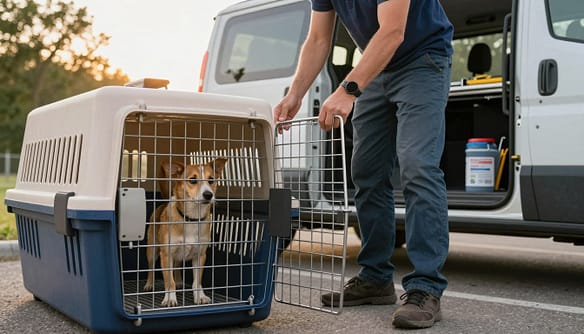
To be a real help, you need certain things. Here’s what you’ll need to be a good ride rescue volunteer:
- Vehicle Specifications: You’ll need a car that’s big enough, like a sedan, SUV, or minivan. It should be clean and have good air control. Plus, it needs to pass safety checks.
- Approved Crate Systems: You must use crates that are okay with the rescue group. These crates keep animals safe and comfy. They must be big enough for the animal to move around.
- Expense Management: You won’t pay for the animal’s care, but you’ll cover your own costs like gas. The rescue group raises money to pay for vet bills and other important stuff. They aim to raise $1,000 today to help.
- Time Commitment Windows: You’ll help out at set times, usually on weekends. You can choose to help for a few hours or all day. Being on time is very important.
Everyone helps out with extra costs. You pay for gas, but the group covers vet visits and other big expenses. This way, you can focus on getting the animals where they need to go.
When you sign up, you pick times that work for you. This makes the whole system work smoothly. It turns a simple drive into a big help for animals in need.
Being a ride rescue volunteer is serious work. By doing your part, you’re not just driving. You’re giving animals a safe and hopeful start.
Local & Regional Networks to Contact
For those looking to make a bigger difference, joining local and regional networks is key. This guide helps find these organizations and start working together well.
Good transport work needs formalized shelter partnerships. These partnerships make sure animals get the care they need on their journey. They turn random help into a steady system.
Before you join, it’s important to check if the network is trustworthy. Look at a few important things.
- Mission and Scope Alignment: Does the network’s main focus match what you want to do?
- Communication Protocols: Check how they send messages and updates. Clear communication is a must.
- Safety and Policy Documentation: Good networks have clear rules for animal care and what to do in emergencies.
- Financial and Legal Transparency: Know how they handle money and what protections they have for everyone involved.
To fit in with a network, start by watching how things work without getting in the way. Learn any needed training and understand how to hand animals over smoothly.
Building trust means keeping promises and being open about any issues. If you can’t make a deadline, let them know. This shows you’re reliable and can lead to more involvement in the rescue work.
In the end, shelter partnerships are what make big rescues happen. By carefully choosing networks and fitting in well, you help animals in need together.
Conclusion: Turn Your Miles into New Beginnings
Rescue transport operations show how moving things around can help others. They use safety rules and team work to help animals. This makes every mile count for animal welfare.
These missions need special volunteers and a strong network. They follow strict rules for checking vehicles and caring for animals. This teamwork makes sure every animal gets to its new home safely.
Every transport is a success, giving animals a fresh start. Helping out means you’re making a real difference. Your money helps give animals a second chance at life.
This model shows how good planning and people can make a big difference. It turns resources into journeys that save lives. It’s a way to see miles as chances for hope and success.