
We celebrate young Olympians with parades. But we forget them when they’re old. The same happens to retired racehorses.
These horses are more than animals. They are living records of speed and courage. Yet, when they retire, we often treat them poorly.
Older horses face a tough time. Their bodies tell stories of past victories. Their minds hold wisdom that no human can match.
Adoption programs often miss the mark. They’re designed for generic pets, not for older athletes with special needs. It’s not just about finding any home. It’s about finding the right one.
How we treat these animals reflects our values. Giving them a special sanctuary is a deep respect. It’s the final honor for a life of dedication.
Programs like the Queensland Off-The-Track Grants offer a better path. They fund the care these veterans need. Let’s think about it.
Meet Thunderbolt: 28 Years of Racing Legacy
Thunderbolt was born when Ronald Reagan was president and retired as Taylor Swift was famous. His career spanned many years. The cheers of the crowd changed from old-school to digital, but the smell of hot sand and adrenaline stayed the same.
I remember him at Churchill Downs in ’99. He didn’t win the Derby, but he was close. The photo finish was heartbreaking. His jockey wishes he had pushed a bit harder. Thunderbolt might have wished for a carrot.
After 28 years of racing, what does it do to a horse? Let’s look at his body. His tendons look like old rubber bands, worn but working. His joints tell a story of all the pressure he faced.
His teeth are worn down from years of holding the bit. It’s like gripping a metal bar while running fast. The vet bills for his teeth are huge.
This is why senior horse fostering is so important. Thunderbolt is more than just a number. He’s a living example of how to manage aging. His needs are specific and costly, but predictable.
He needs joint supplements like I need coffee. His diet is strict, with soft hay and soaked pellets. It’s a far cry from the glamour of racing.
His story shows the value of dignity. Thunderbolt’s worth now is in quiet mornings, not fast times. This is what makes senior horse fostering unique. It’s not just owning a horse; it’s caring for a legacy.
Think of him as a retired Olympian. His body remembers every race and strain. His mind takes longer to adjust. Senior horse fostering offers a soft landing for athletes. It’s where champions can rest.
Special Care Requirements and Costs
Senior horse care is like a premium subscription for keeping equine history alive. It’s not just about buying hay; it’s about funding a living archive. You’re making a commitment to a four-legged pensioner who expects their due.
This isn’t a hobby. It’s a structured care protocol. Each element serves a specific purpose in maintaining dignity and comfort. Forget the one-size-fits-all approach of their racing days.
Metabolism slows like a classic car engine. It needs premium fuel, not regular. Specialized senior feed becomes non-negotiable. Joint supplements are the daily lubricant for well-worn machinery.
Dental floats happen annually. Imagine trying to enjoy your steak with dull teeth. Regular hoof care keeps them mobile. Neglect here, and the whole system falters.
Let’s talk numbers without flinching. Senior Horse Fostering requires financial transparency. We’re analyzing a budget, not romanticizing a sunset.
The costs break down into predictable categories. Some are fixed monthly expenses. Others are annual investments in quality of life. All are part of the pact.
Compare it to supporting a niche museum or restoring a vintage aircraft. The value isn’t in utility. It’s in preservation itself. You become a curator of a life.
Here’s the honest breakdown. This table represents a typical monthly outlay for a senior thoroughbred in moderate health. Consider it your operational budget for legacy management.
| Care Category | Essential Tier | Comfort Plus Tier | Rationale & Notes |
|---|---|---|---|
| Feed & Supplements | $180 – $250 | $300 – $400 | Senior-specific feed, joint support (glucosamine/MSM), digestive aids. The “premium fuel” analogy in practice. |
| Hoof Care | $50 – $80 (monthly prorated) | $80 – $120 | Farrier every 6-8 weeks. More frequent trimming may be needed for arthritic horses. Mobility is everything. |
| Preventative Dental | $25 – $40 (monthly prorated) | $40 – $60 | Annual float by an equine dentist. Critical for nutrition absorption and preventing weight loss. |
| Veterinary Wellness | $60 – $100 | $150 – $250 | Bi-annual check-ups, bloodwork, parasite control. Catching issues early is cheaper than crisis management. |
| Miscellaneous & Buffer | $50 – $75 | $100 – $150 | Blankets, padding, anti-inflammatories as needed. The “just in case” fund for unexpected needs. |
The total? Somewhere between $365 and $980 monthly. That’s the spreadsheet reality of senior horse care. It’s a tangible investment in gentle retirement.
This financial commitment filters for serious stewards. It separates the sentimental from the substantive. The right foster home views this not as a burden, but as a privilege with a price tag.
The return on investment isn’t monetary. It’s measured in peaceful grazes and pain-free mornings. You’re purchasing quality time for a creature that gave its all. The calculus is emotional, not economic.
Embrace the analytics of compassion. Budget for dignity. This is the practical heart of Senior Horse Fostering. The costs are clear, but so is the value of a life well-tended in its final chapters.
The Comfort Care Foster Program
Senior Horse Fostering is more than charity. It’s a special bond between a person and a piece of history. We call it the Comfort Care Foster Program. It’s like a retirement community for horses, with lots of grass and no loud machines.
This program is unique. Unlike adoption, it’s not about using the horse again. And unlike sanctuaries, it’s personal and small. It’s a curated retirement that focuses on peace and care, without any pressure.
Horses value routine and care deeply. Our program gives them a peaceful life. They get gentle care, specific food, and quiet friends. It’s a life of luxury, telling them they’re valued for who they are, not what they can do.
We choose quality of life over trying to add years. We aim for every day to be a good day, not just a long one.
Let’s compare it to other options for aging horses:
| Aspect | Traditional Adoption | Sanctuary Care | Comfort Care Foster Program |
|---|---|---|---|
| Primary Focus | Future partnership or light work | Lifelong safe haven for many animals | Quality of life in final years/hospice |
| Expectation on Horse | May include retraining or gentle riding | None; simply exists within herd | None; complete retirement from performance |
| Care Structure | Variable, often private owner | Generalized for herd health | Highly personalized, veterinary-guided plan |
| Financial Model | Owner assumes all costs | Relies on public donations for entire facility | Supported partnership between organization and foster family |
| Outcome | Seeks a “forever home” | Provides a “forever home” within a large group | Provides a “final home” with dedicated comfort care |
Joining this program is a big decision for families. It’s about caring for a horse, not riding it. The reward is knowing you’ve honored a life well-lived. This is the heart of Senior Horse Fostering.
Daily Routines for Aging Athletes
Senior horse fostering changes how we see time. It’s no longer about speed, but about when to eat and sleep. This new pace is healing.
Feeding starts at 7 AM, not 9. It’s because older horses need a gentle start. Eating in the morning helps their metabolism. It keeps their energy steady.
The afternoon is for gentle walks. It’s not hard exercise. It’s about moving slowly and enjoying the view. This keeps their joints and gut healthy.
Forcing older horses to exercise is bad. It’s like making a retired CEO work too hard. We focus on reducing stress, not pushing them too hard.
Every part of their day is carefully planned. They have safe places to eat and friends to keep them calm. Evening checks help catch any health issues early.
This calm routine is a big change from their racing days. It brings peace and predictability. For more on caring for older horses, see this article.
This care isn’t just about keeping them alive. It’s about making them comfortable. Their digestion and pain levels improve. They become calm and content.
This shift focuses on their well-being, not just performance. It’s a well-deserved retirement for these aging athletes.
Veterinary Partnerships for Senior Care
In Australia, a grant program shows how important aftercare for retired athletes is. The Queensland Off-The-Track (QOTT) Grants Program helps with vet care, not just food or shelter. It’s a smart way to invest in the health of seniors.
So, what makes a great vet for senior horse fostering? You want someone who focuses on long-term care, not just quick fixes. This vet will help you manage your horse’s health over time. You and your vet become a team, working together for your horse’s well-being.
This partnership is about making life easier for your horse. It’s about regular check-ups and managing their comfort. Your vet will help you understand any health issues and find the best solutions.
Programs like QOTT help by covering the costs of vet care. This lets you focus on caring for your horse, not worrying about money. It creates a professional relationship where your horse’s comfort is the top priority.
Not all vets are right for this kind of care. You need one who values comfort and quality of life. The table below shows the difference between regular vet care and specialized geriatric care.
| Care Approach | Standard Equine Practice | Specialized Geriatric Partnership |
|---|---|---|
| Primary Focus | Acute illness, injury, performance maintenance | Chronic condition management, pain mitigation, quality of life |
| Visit Frequency | Reactive (as-needed, annual vaccines) | Proactive (scheduled wellness exams every 3-6 months) |
| Financial Model | Owner-funded per service; cost can limit care options | Often supported by grants/donations; enables unrestricted care planning |
| Decision-Making | Vet recommends, owner decides based on cost/feasibility | Collaborative strategy sessions with horse’s long-term comfort as the sole KPI |
| End-of-Life Planning | Often a crisis-driven discussion | An ongoing, pre-meditated part of the care continuum |
Building a team with your vet is key in senior horse fostering. It makes caring for your horse easier and more manageable. You’re not alone; you have a team working for your horse’s best life.
Creating Peaceful Final Chapters
When we face the end-of-life care for aging horses, we must be compassionate. This isn’t just about finding a good metaphor. It’s about making a tough decision with clear analysis.
Approaching this with a responsible mindset is key. The goal of Senior Horse Fostering is to give them dignity, not to keep them alive forever. When the bad days outnumber the good, it’s time to show mercy.
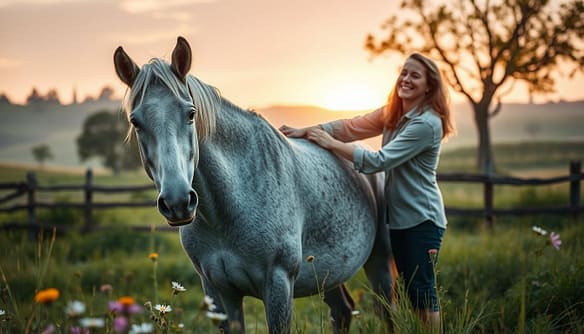
Assessing quality of life requires honesty. It’s like a report card for a living being. We look at pain, mobility, appetite, and social interaction. If more than two of these decline, we’re managing decline, not life.
The “bad days vs. good days” ledger is very telling. If Thunderbolt spends more days lying down than grazing, it’s a sign. Does he react to food he used to love? These signs are not just stories. They’re data showing a decline.
Seeing euthanasia as failure is a big mistake. It’s actually the most responsible choice. It’s the final agreement in the foster contract, promising quality over quantity of years.
Our approach should be like the best human hospice models, not old-fashioned animal care. We should prioritize comfort and autonomy for animals at the end of their lives, just as we do for people.
Deciding when to end a life requires a team effort with your vet. They give the medical facts. You share your daily observations. Together, you decide when the animal’s body can no longer support its spirit.
The procedure, done right, is peaceful. It’s a gentle sedation followed by a painless end. This is better than months of suffering and pain. The choice is clear.
End-of-life care is the logical end to fostering. It turns compassion into action. You’re not ending a life early. You’re ending suffering on time.
This final chapter ends the story with grace. It respects the horse’s spirit by not letting them lose to time and decay. You gave them a soft landing. Now, you offer a gentle goodbye.
The peace you provide is felt in the empty stall. It’s the calm after the storm of illness. This decision, made with love and logic, is the greatest gift in Senior Horse Fostering. It’s the last act of a contract written in care, not ink.
Memorial Gardens and Legacy Projects
Grief needs an outlet, and that outlet should grow. After a senior horse’s passing, we feel empty. The stall is quiet, and the routine is missing a piece.
This is when we start to find meaning. We turn absence into presence. It’s a journey of transformation.
Consider a memorial garden. It’s a way to honor your fostered friend. Planting a tree or a perennial does something special. It grows, reminding you of your friend every spring.
For those who prefer something more solid, a memorial plaque or stone is a good choice. Place it where your horse loved to be. It’s a reminder of their life, not just their passing.
Humans need rituals to deal with loss. A simple act, like dedicating a bench, gives us closure. It turns our feelings into something we can see and touch.
For families involved in Senior Horse Fostering, these acts become shared memories. They help turn individual grief into a shared legacy.
But action is key. Sentiment without action is just words. The best legacy projects help the next horse in need.
- Sponsor a “Hay Bale in Their Name”: Donate a month’s hay to the rescue in your horse’s memory. It’s a practical tribute.
- Fund a Farrier Visit: Senior hooves need constant care. Help another aging athlete with a trim.
- Create a “Comfort Care” Kitty: Start a fund for supplements, soft bedding, or pain management for the next foster.
Your act of remembrance can help another horse. Sponsored hay bales and funded trims support others. It’s a cycle of care and support.
For communities, the impact can grow even bigger. A “Legacy Project” might be a paddock renovation or a veterinary fund. These projects tell a story of love and purpose.
Why does this matter? It’s about honoring our loved ones in meaningful ways. A named project or a dedicated space connects the past to the future. It shows how our actions can make a difference.
Legacy work in Senior Horse Fostering is like alchemy. It turns grief into something positive. It shows that even though we can’t change the past, we can influence the future. And that’s a profound comfort.
Senior Horse Fostering and Elderly Horse Adoption
Senior horse fostering and elderly horse adoption are vital for the well-being of older equines. These programs provide a loving home for horses that may not have a family to care for them. By fostering or adopting an elderly horse, you can offer a second chance at a happy life.
Senior horse fostering allows you to provide temporary care for an older horse until a permanent home is found. This option is perfect for those who want to help but may not be ready for a long-term commitment. Fostering gives you the opportunity to make a difference in the life of a senior horse while also gaining valuable experience in horse care.
On the other hand, elderly horse adoption is a long-term commitment to providing a loving home for a senior horse. By adopting an elderly horse, you become their permanent caregiver and can ensure their well-being for the rest of their life. This option is ideal for those who are ready to provide a stable and loving environment for an older horse.
Both senior horse fostering and elderly horse adoption offer numerous benefits. Not only do you get to provide a loving home for an older horse, but you also gain the joy of watching them thrive and enjoy their golden years. These programs also help reduce the number of senior horses in need of care, as they find a loving home where they can receive the attention and care they deserve.
When considering senior horse fostering or elderly horse adoption, it’s important to research reputable organizations and understand the responsibilities involved. These programs often require a commitment to provide proper care, including regular veterinary check-ups, appropriate nutrition, and a safe living environment.
By fostering or adopting an elderly horse, you can make a significant difference in their life and contribute to the well-being of older equines. These programs offer a loving home for horses that may not have a family to care for them, ensuring they receive the love and care they deserve in their golden years.
Benefits of Senior Horse Fostering and Elderly Horse Adoption
- Provide a loving home for an older horse
- Gain the joy of watching them thrive and enjoy their golden years
- Reduce the number of senior horses in need of care
- Ensure they receive the attention and care they deserve
- Make a significant difference in their life
Senior Horse Fostering: A Heartwarming Experience
Senior horse fostering is a heartwarming experience that allows you to make a difference in the lives of older horses. By providing a loving home for these horses, you can give them the care and attention they deserve in their golden years.
Senior horses often face challenges such as declining health, limited mobility, and reduced energy levels. They may have been retired from their previous careers and are in need of a nurturing environment where they can thrive.
By fostering a senior horse, you can provide them with a safe and comfortable space to live out their remaining years. You can offer them regular veterinary care, proper nutrition, and plenty of love and affection.
Senior horse fostering is not only rewarding for the horses but also for the foster families. It allows you to form a deep bond with these gentle creatures and experience the joy of watching them thrive in their new home.
Senior horse fostering is a wonderful way to give back to the equine community and make a positive impact on the lives of older horses. It is a heartwarming experience that brings joy and fulfillment to both the horses and the foster families.
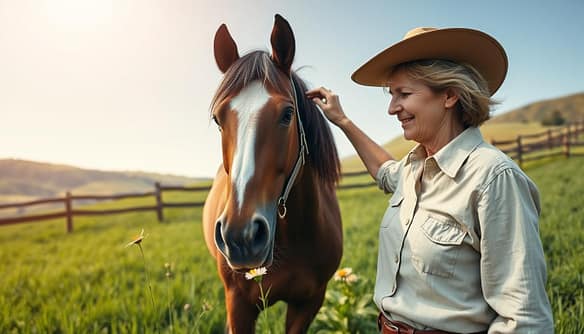
Benefits of Senior Horse Fostering
Senior horse fostering offers numerous benefits for both the horses and the foster families. Here are some of the advantages:
- Providing a loving home for older horses in need
- Ensuring they receive proper care and attention
- Allowing them to live out their remaining years in comfort
- Forming a deep bond with the horses
- Experiencing the joy of watching them thrive
By fostering a senior horse, you can make a significant difference in their life and provide them with the love and care they deserve. It is a heartwarming experience that brings joy and fulfillment to both the horses and the foster families.