![TNR Program in [City]](https://mltmv8qq0s4v.i.optimole.com/cb:X1Y9.9c1/w:1000/h:288/q:mauto/rt:fill/g:ce/f:best/https://allaboutpetsshow.com/wp-content/uploads/2025/12/TNR-Program-in-City.jpeg)
Let’s look at the numbers. Nothing beats cold, hard data to silence city officials. Remember when California shelters were killing 76% of animals? Mostly cats? It’s not just sad—it’s mathematically wrong.
Studies from San Francisco to South Africa show the power of smart solutions. One colony saw a 99.4% reduction in 16 years. Louisville saw feline admissions drop 42.8% and deaths plummet 94.1%.
These aren’t just stories—they’re spreadsheets that make accountants cry with joy. The evidence is so strong, it makes opposition look like flat-earthers at NASA.
When we manage community cats, the data is clear: spay/neuter through a TNR program works. It’s like watching a horror movie where the heroes win.
The Program
Ever wonder what happens when grassroots activism meets military-grade logistics? Our community cats initiative isn’t your grandma’s tuna-and-traps operation.
For over 15 years, we’ve turned neighborhood efforts into professional systems. It’s like Amazon delivery routes for feline welfare.
We use surgical precision and public education that really works. We’re not just fixing cats – we’re upgrading entire ecosystems.
The magic happens through teamwork with animal control agencies. It’s the ultimate circular economy for urban wildlife.
This isn’t charity work. It’s strategic intervention with whiskers.
Partners, colony mapping
Think cat colonies organize themselves? Think again. It’s not a feline democracy but an urban ballet. Our work with groups like Neighborhood Cats and Stray Cat Alliance is key to colony care.
Colony mapping turns random cats into managed groups. It’s like urban sociology meets feline demographics. We track feeding patterns and neighborhood dynamics.
Our mapping shows more than cat locations. It reveals the human side too – feeders, complainers, and allies. This info is invaluable for community cats management.
Why does this matter? Proper mapping turns chaos into order. It helps us:
- Identify colonies needing immediate attention
- Coordinate trap-neuter-return efforts efficiently
- Build relationships with local residents
- Measure program impact over time
These partnerships also support public education campaigns. We’re not just managing cats – we’re changing minds. Neighborhood by neighborhood, we’re building understanding about community cat populations.
The data we collect through mapping guides our actions. It helps us use resources wisely and show real results to the community. This isn’t guesswork – it’s strategic action based on solid data.
Field Work
Welcome to the front lines where theory meets reality – and reality usually has claws. Here, our humane trapping operations turn good intentions into real results for community cats.
Our field teams work like special ops for cats. They move through neighborhoods with precision, setting up feeding stations and executing plans. It’s a mix of science, art, and unpredictability.
We’ve learned from the best – veterans like Bryan Kortis and Charlotte Fox. They shared their wisdom on midnight escape artists and kittens that destroy expensive stuff while looking cute.
This work is messy, challenging, and vital. Every successful TNR program relies on these field operations. They balance compassion with practicality.
Trapping, transport, recovery, return
Community cat management is like a four-act play. Every actor is wary and mostly silent, except for hisses. The humane trapping is a game of wits, not force. It starts with the cat’s clever move: “I know you have tuna.”
Transport turns your car into a mobile opera of cat discontent. These trips are loud protests, not quiet rides. The cats are definitely not applauding.

Recovery is the magic part. Cats wake up confused and upset, like they’ve lost something important. This is when the spay/neuter procedure shows its value. It stops the cycle before it begins.
The return is the final act. Cats go back to their homes with a special ear-tip. It’s like a “do not disturb” sign from nature. It’s the key moment in controlling cat populations.
Each step needs special skills. You need patience for trapping, nerves for transport, and precision for recovery. And satisfaction for the return. It’s a dance that saves lives at every step.
Caretaker Network
Meet the unsung heroes of urban wildlife management – the colony care specialists. They know more about local feline politics than most city councils. These dedicated individuals form an intelligence network that would make any community organizer jealous.
They’re the frontline diplomats who notice new arrivals before anyone else. They track dietary preferences like Michelin critics. They serve as early warning systems for neighborhood tensions. This isn’t just about feeding cats – it’s sophisticated community organizing with more fur and less paperwork.
Building this network requires more than finding cat lovers. It demands creating a support system. This system handles everything from humane population control to managing Mrs. Henderson’s complaints about food bowls. Their work represents the most effective form of public education – demonstrating compassion through action.
These caretakers become the eyes and ears that ensure every community cat receives proper care. They maintain neighborhood harmony. They’re proof that sometimes the most effective social programs operate entirely off the books.
Training, supplies, winter shelters
Ever think colony management is just tossing kibble and calling it a day? Think again. It’s not just about feeding them. It’s a complex operation that needs careful planning and diplomacy.
Proper colony care starts with training that’s as tough as a Navy SEAL’s. We teach more than just how to set traps. We cover feline psychology, urban planning, and how to get along with neighbors.
The tools we use have changed a lot. Today’s humane trapping gear is far better than old methods. We have special traps and monitoring systems that are top-notch.
Winter changes everything. Flimsy boxes are no good when it’s cold. Our winter shelters are like Arctic stations – warm, safe, and weatherproof.
- Straw-filled shelters (never hay – that’s Lesson 101)
- Heated water bowls that won’t freeze solid
- Feeding stations disguised as decorative planters
- Weatherproof medical kits for emergency care
The public education part is hard. How do you explain using thermal cameras at night to neighbors? We’ve got great explanations ready.
Seasons bring different challenges. Summer means keeping them hydrated, winter needs extra calories, and spring is kitten season. It’s a year-round job.
The supplies list is long. We need cameras, special feeding stations, medical kits, and more. Being prepared is key when you’re managing colonies.
This isn’t a hobby. It’s a complex job that mixes animal science, community work, and planning for all seasons. The cats deserve our best effort.
Outcomes
Let’s talk results, because outcomes separate feel-good stories from actual change. We’re not just making cats’ lives better – we’re fundamentally changing animal shelter mathematics.
The numbers don’t lie. Studies show a 42.8% reduction in admissions and 94.1% fewer deaths. Some colonies decreased by 99.4% through proper spay/neuter initiatives.
These outcomes aren’t just statistically significant – they’re community-transformative. The data proves that a well-executed TNR program creates measurable impact. It’s the difference between managing problems and solving them.
For community cats, these numbers represent lives saved and populations stabilized. The evidence shows we’re winning against decades of ineffective policy.
Intake reduction, nuisance complaints
Let’s explore how West Valley City turned cat colonies into community assets. Their TNR program cut down on shelter intake and saved money. It’s a budgetary feat that impressed city council members.
With fewer cats in shelters, costs went down. Less nuisance complaints made people happier. It’s like finding money in your coat pocket during winter.
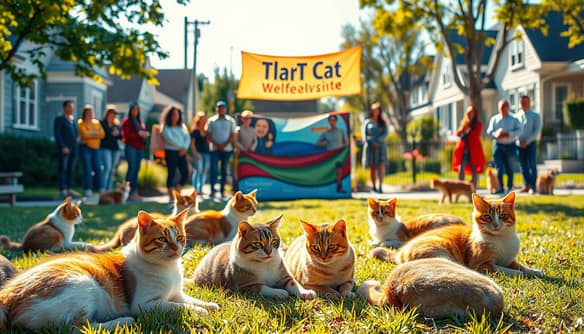
Here’s what the data shows about public education and strategic action:
- Nuisance calls drop faster than a cat’s interest in you once the food bowl is empty
- Shelters transform from revolving doors of death into actual safe havens
- The midnight yowling concerts and territorial disputes virtually disappear
- Taxpayer dollars get reallocated from endless intake to strategic prevention
It’s not just about numbers. When community cats stop reproducing, neighborhoods get peace and quiet. This is thanks to spay/neuter surgery.
The beauty of this approach? It’s measurable. Cities can see how TNR program leads to fewer complaints. The data shows it’s true – it saves money and reduces headaches.
This isn’t just theory. Places with good public education and TNR see fewer complaints. Even cat-haters are happy. It shows working with nature benefits everyone, including taxpayers.
Advocacy & Policy
Changing laws is where the real magic happens. Advocacy isn’t just about holding signs. It’s about showing up with sharp data.
We’re talking about changing ordinances and budgets. It’s like using the system’s weight against old policies. When animal control officers become advocates, you know change is here.
Working with HSUS showed us the power of public education. A good TNR program is humane and saves money. Proper colony care turns challenges into lasting solutions.
This isn’t just feel-good activism. It’s real, data-driven policy work. The kind that gets results and makes bureaucrats take notice.
Ordinances, public health
Outdated cat ordinances are like using leeches for medicine today. They’re based on old ideas that don’t match today’s science or health practices.
Most cities see community cats as problems, not as part of our urban life. This view leads to more issues than solutions. We get caught in a loop of complaints and responses.
A good TNR program is like a public health shield. Vaccinated cats don’t spread diseases. Stabilized cat numbers prevent new colonies. It’s like preventive medicine for our neighborhoods.
Changing ordinances isn’t about giving animals special rights. It’s about using science to solve problems. When cities manage cats proactively, everyone wins – including taxpayers.
The best public health experts get this. They see community cats as populations to manage with care. It’s a shift from treating symptoms to curing the disease.
Public education is key here. When people understand how managed colonies improve health, they support it. It’s not about being for or against cats. It’s about finding solutions.
The data is clear: places with good ordinances and TNR programs have fewer complaints. They also have lower disease rates and stable cat numbers. It’s a public health policy that works.
How Advocates Can Help
Do you think you need to be a cat whisperer with magical trapping skills? Think again. Advocates come in many forms. They can be anyone from a neighborhood cat watcher to a social media star who spreads the word fast.
Helping can mean a lot of things. It could be actual humane trapping (with the right training) or just talking to neighbors. It’s about connecting professional efforts with the community.
Our movement needs people with compassion and treats. Your role in colony care might be working with local organizations or leading public education in your area.
You don’t need superpowers. Just the desire to make complex solutions simple and actionable.
Field teams, sponsor a colony
Not everyone is up for 3 AM stakeouts in mosquito alleys. That’s where our field teams come in. They’re the special ops of our TNR program.
These dedicated pros handle the tough tasks like humane trapping and post-op care. They do the dirty work while you enjoy your coffee. It’s a fair division of labor.
So, how can you help? Colony sponsorship is a great way to support community cats. It’s like adopting a cat without the mess.
By sponsoring a colony, you support the work without doing the actual fieldwork. It’s a win-win for both you and the cats.
Your support covers:
- Trapping equipment and supplies
- Veterinary care and sterilization
- Winter shelters and feeding stations
- Ongoing colony care and monitoring
It’s like investing in your community’s feline future. You’ll see fewer stray kittens and feel good about helping.
Our TNR program works because we divide tasks. Experts do their thing, and supporters fund it. Everyone contributes in their own way.
Want to sponsor a colony? You’ll rest easy knowing pros handle the humane trapping. You fund the effort from home. It’s easy activism for those who like convenience.
Success Stories
Data shows what works, but stories reveal why it matters. The proof isn’t in spreadsheets. It’s seen in college campuses and waterfront areas.
At University of Central Florida, their TNR program cut the cat population by 57% in 17 years. This isn’t just numbers. It’s hundreds of community cats living better lives, making campuses quieter.
Newburyport’s waterfront area saw a miracle. Their spay/neuter efforts wiped out a 300-cat colony. Now, it’s a neighborhood success story, not a nuisance.
These aren’t just wins. They’re blueprints for change. They show how kindness and skill can transform. From chaos to control, from killing to caring. These stories don’t just convince skeptics. They turn them into advocates.
The Proof Is in the Pudding
Let’s get to the truth. Community cat management isn’t about what cats like. It’s about finding solutions that really work, not just making us feel good. The facts show that TNR programs succeed where others fail.
Good public education changes how people see community cats. Taking care of colonies the right way keeps cats healthy and stops them from having more kittens. Trapping them humanely solves the problem without hurting them. This approach is already working in places like Austin and Albuquerque.
We’ve stopped arguing if this method works. The evidence is clear, and the results are real. Now, we’re focusing on making it happen. Will you help by monitoring colonies, sponsoring their care, or spreading the word about these effective solutions?
The debate is over. We know how to manage community cats humanely and effectively. The real choice is whether we’ll stick with old, failed ways or move forward with what works. What will you do?