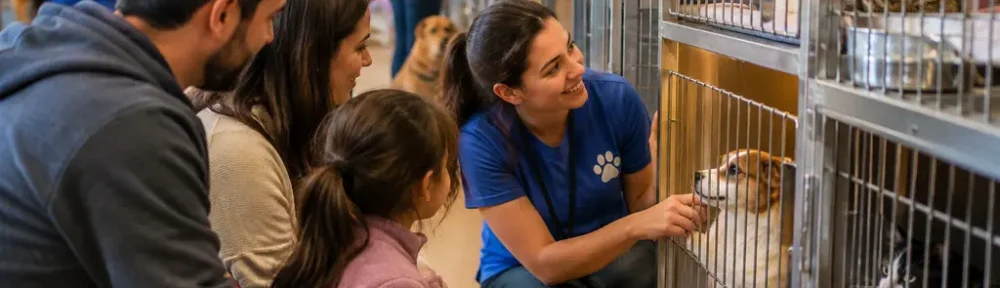
San Diego Shelters are under strain, and the most compassionate response is not panic; it is organized community care. As someone who cheers for every adoption photo and every foster family that says yes, I also know the work has to be practical. Crowding is not solved by one big gesture. It eases through steady adoption, temporary fostering, neighbor-to-neighbor support, and responsible pet ownership before a crisis reaches the shelter door.
On August 25, 2026, San Diego Humane Society was housing nearly 1,900 animals and averaging 80 new entries per day, including 23 adult Chihuahuas surrendered due to eviction, according to NBC 7 San Diego. That same report said the average stay for dogs had reached 59 days, a 28% increase from the prior year. Behind every number is an animal waiting for a quieter bed, a safer routine, and a person willing to help in a way that truly fits their life.
Why San Diego Shelters Are Crowded
What The August 2026 Numbers Show
In August 2026, San Diego Humane Society reached a record 766 adult dogs in care, up from 690 in August 2025, with reporting pointing to unspayed and unneutered dogs acquired during the COVID era, rising veterinary costs, and pet rent as pressure points for families, according to Axios San Diego. Those causes matter because they remind us that shelter crowding is rarely about one kind of person or one kind of pet. It is often the result of stacked stress: housing, money, access to care, and a pet population that grows faster than homes become available.
That context should keep our response kind. Shame does not open kennel space. Practical help does. A family facing eviction may need temporary pet housing information. A pet owner delaying care may need help finding a licensed veterinarian or community clinic. A person who adopted during a calmer financial season may need support before surrender feels like the only option. The more we build solutions before an animal enters the shelter, the more room remains for true emergencies.
What San Diego Shelters Need First
The first need is placement that lasts. Fast adoptions can help, but thoughtful matches help more. A dog who has been waiting for weeks needs a home prepared for decompression, routine, and follow-up questions. A cat moved from a crowded setting needs a quiet introduction space and patience. Small animals need people who understand housing, daily care, and species-specific needs. Adoption works best when enthusiasm is paired with preparation.
The second need is temporary relief. Fostering gives an animal a break from the shelter setting and gives staff more information about how that pet behaves in a home. That information can help future adopters make a better choice. If a full-time adoption is not possible, a foster commitment may still be deeply useful, especially for adult dogs, shy cats, nursing animals, or pets recovering from a stressful change. Anyone considering a foster pet should follow the shelter or rescue organization’s process and consult a licensed veterinarian for individual health questions.
Adoption And Fostering That Reduce Pressure
Adopt With A Realistic Household Plan
Adopting from San Diego Shelters is a joyful act, but it is also a promise. Before choosing a pet, talk honestly about time, housing rules, exercise needs, allergies, children, other animals, and costs. If your lease includes pet rent or breed, size, or species restrictions, confirm those details before meeting animals. That may feel unromantic, but it protects the pet from another move and protects your household from avoidable stress.
Ask shelter staff what they have observed, then listen closely. A dog described as energetic is not being difficult; that dog may need daily enrichment and a family that likes structure. A shy cat is not less adoptable; that cat may need a quiet room and a patient adopter. A bonded pair may ask more of your home at first, but the right family may find that the pair settles more confidently together. The win is not picking the pet who looks best in a photo. The win is choosing the pet whose needs you can meet on ordinary weekdays.
Foster As A Short-Term Safety Net
Fostering is one of my favorite community tools because it welcomes people who cannot adopt right now. A foster home might commit to a weekend, a few weeks, or a longer period depending on the organization’s need and the animal’s situation. The shelter should provide clear expectations, and the foster caregiver should be honest about work hours, resident pets, children, stairs, outdoor space, and comfort level.
A good foster setup does not need to be fancy. It needs to be safe, calm, and consistent. Create a separate space before pickup, keep introductions slow, and document what you learn: appetite, favorite toys, house manners, fears, leash comfort, and rest patterns. Those notes can help adoption counselors describe the pet more accurately. For readers who want local action ideas, our piece on volunteer ideas for shelter pets connects well with this same spirit of steady, useful help.
Neighborhood Initiatives That Keep Pets Home
Build Support Before Surrender
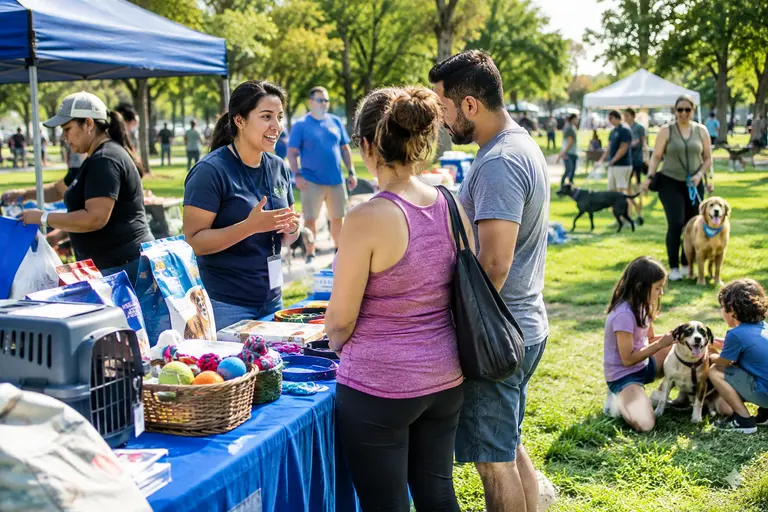
Community support should not begin at the shelter counter. It can begin in apartment buildings, faith groups, workplaces, schools, and neighborhood chats. A pet food collection, a ride-share list for veterinary appointments, or a temporary pet-sitting circle can make a real difference for a family under pressure. These efforts should be respectful and privacy-minded. The goal is not to investigate someone’s hardship. The goal is to reduce the chance that hardship separates a loved pet from a family that still wants to care for them.
Spay and neuter conversations also need compassion. The research tied to this local crisis points to unspayed and unneutered dogs acquired during the COVID era as one driver of crowding. That does not mean every household has the same access or information. Community advocates can help by sharing clinic resources from reputable organizations and reminding pet owners to speak with a licensed veterinarian about what is appropriate for their animal.
Volunteer Without Burning Out
Volunteer energy is precious, and shelters need it to last. Choose work you can repeat. Some people can walk dogs. Others can wash bedding, photograph adoptable pets, transport supplies, write pet bios, help at adoption events, or open their home to short foster stays. If you have professional skills, ask whether they are useful: photography, translation, repair work, data entry, fundraising support, or community outreach may all support the mission when coordinated through the organization.
For San Diego Shelters, the strongest volunteer culture is one that respects staff, follows training, and centers animal safety. A shelter under pressure cannot absorb well-meant chaos. Sign up through official channels, arrive when scheduled, and accept that some tasks are less glamorous than cuddling puppies. Clean laundry and accurate paperwork can move animals toward homes, too. Rescue is not only the warm moment. It is the reliable system behind that moment.
- If you can adopt: choose a pet whose needs match your daily life, not just your hopes.
- If you can foster: be honest about your limits so staff can make a safe placement.
- If you can donate: ask the shelter what supplies are most needed before buying.
- If you can advocate: share adoptable pets with accurate details and kind language.
- If you know a struggling pet owner: offer practical help before suggesting surrender.
Community Support For San Diego Shelters
The overcrowding crisis asks San Diego neighbors to think like a care network. Adoption opens a permanent door. Fostering creates short-term space. Donations help organizations respond to daily needs. Volunteer work supports the people caring for animals during hard stretches. Prevention keeps loved pets with families when safe and possible. None of these actions has to be dramatic to matter.
I keep coming back to one hopeful truth: shelter crowding is a community problem, which means the community has many ways to respond. San Diego Shelters do not need everyone to do everything. They need many people to do one responsible thing, then keep doing it. If your home is ready, adopt. If your calendar has a little room, foster. If your budget allows, give. If your neighbor is struggling, help with dignity. That is how compassion becomes capacity, one steady choice at a time.