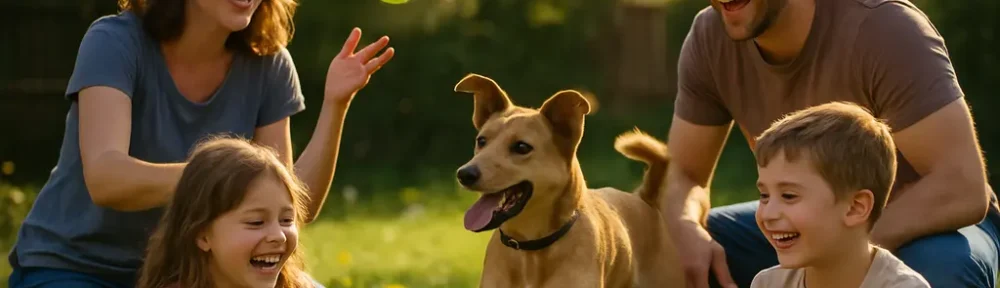
By October 15, 2026, Clear The Shelters had moved from campaign month to community lesson. From August 1-31, 2026, the campaign helped more than 135,000 pets get adopted nationwide and raised nearly US $500,000 in donations NBCUniversal Local results. Those numbers matter, but they are not just numbers. They represent families making plans, shelter teams doing steady work, foster caregivers opening spare rooms, and neighbors choosing adoption with intention.
I love a big adoption win as much as anyone in rescue advocacy. Still, the most meaningful part of a campaign wrap-up is what it asks of us next. A pet leaving a shelter is a joyful milestone, not a finish line. The care that follows includes patience, budgeting, training support, safe introductions, and a relationship with a licensed veterinarian. Community celebrations should always make room for that quieter truth: responsible adoption is love with a plan.
What Clear The Shelters Achieved In 2026
National Results With Local Hands
The 2026 effort reached across a broad network: more than 1,200 shelters took part across 153 markets in 47 states, plus Washington D.C., Puerto Rico, and Guam campaign totals. That scale is impressive because it did not depend on one shelter, one city, or one type of adopter. It worked through many local teams saying the same thing at the same time: adoptable animals are waiting, and communities can help.
Since the campaign began in 2015, its cumulative impact has reached nearly 1.5 million pet adoptions and more than US $6 million donated to participating shelters and rescues NBCUniversal Local results. That history is worth pausing over. A single adoption month can create urgency, but a repeated annual effort can build public memory. People start to expect shelter stories in local media, ask friends about adopting, and see rescue pets as part of normal family life.
Why Clear The Shelters Worked Locally
The Clear The Shelters wrap-up matters because the national figures were built from local action. In North Texas, 7,933 animals were adopted from 62 local shelters during the August 2026 campaign, surpassing the local 2025 total North Texas results. That local detail is powerful. It shows what happens when shelters, adopters, volunteers, media partners, and donors move in the same direction.
Local wins also help remind us that adoption is not abstract. The family filling out an application, the volunteer walking a nervous dog before a meet-and-greet, the staff member answering honest questions about energy level or litter box habits: these are the people who make the headline possible. A national campaign can bring attention, but trust is built face to face, one careful match at a time.
Why Community Adoption Campaigns Matter After August
Awareness Can Open The Door To Better Matches
Awareness is not just publicity. Used well, it can help people ask better questions. Am I ready for daily care? Can I afford food, supplies, routine veterinary care, and emergency needs? Does my home fit the pet in front of me, not the idea of a pet I had in my head? A campaign can bring someone to the shelter door; a responsible adoption process helps that person choose thoughtfully.
The 2026 campaign also had a wide support structure. NBCUniversal Local reported involvement from more than 100 NBC and Telemundo stations, technology partner WeRescue in its eighth year with the effort, online fundraising through Greater Good Charities, and merchandise support from The Black Dog campaign partners. For adopters, that kind of visibility can make shelter pets easier to find. For shelters, it can give adoptable animals a louder, more coordinated voice.
Adoption Is A Beginning, Not A Trophy
For families who met a pet through Clear The Shelters, the kindest next step was not perfection. It was preparation. New pets often need time to settle into a home routine. Adopters can help by keeping early expectations gentle, setting up safe spaces, using positive reinforcement, and asking shelter staff what they already know about the animal’s needs. If health, diet, or behavior concerns arise, the right move is to contact a licensed veterinarian or a qualified behavior professional rather than guessing.
This is where community support keeps doing its quiet work. A neighbor can lend a crate for a foster dog. A friend can drive supplies to a rescue. A local business can host a donation bin if the shelter asks for specific items. A family that cannot adopt can still foster, volunteer, share adoptable pet profiles, or give directly to a local organization. None of those acts need a national campaign to matter.
Turning A Campaign Month Into Year-Round Rescue Support
Fostering Keeps Compassion Close To Home
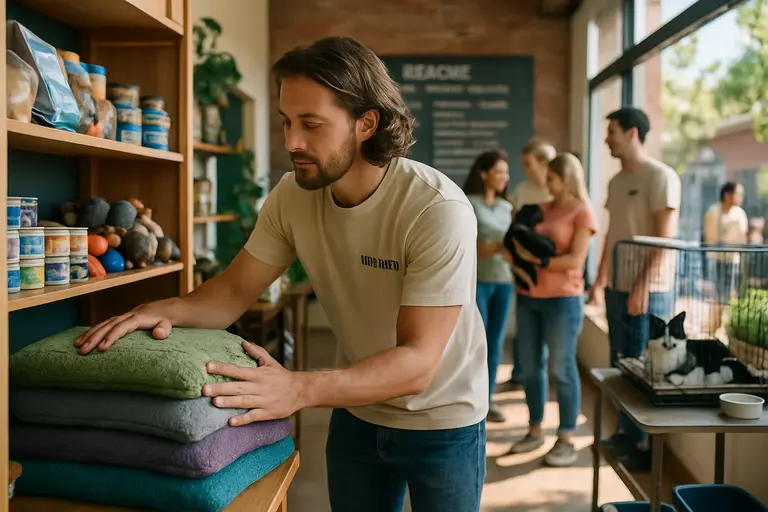
Fostering is one of the most practical ways a community can stay involved after a major adoption push. It is not always easy, and it should never be treated casually. Good foster care means following the shelter or rescue’s guidance, being honest about your household, and giving updates that help the animal find a suitable permanent home. For many people, fostering can also be a bridge: they learn what day-to-day pet care really asks before making a long-term adoption decision.
If you are considering fostering after seeing the campaign results, start with your local shelter’s current needs rather than assumptions. Some groups may need kitten fosters, large-dog fosters, short-term transport help, or quiet homes for animals recovering from stress. Others may need volunteers for laundry, photos, or adoption counseling. The most useful help is the help the organization actually requested.
Donations Need Timing And Trust
The 2026 fundraising window ran from July 15 to September 15, while adoption events took place throughout August fundraising dates. Because that window has passed as of October 15, 2026, supporters should not treat it as an active campaign period. Instead, they can contact local shelters directly, ask what is most useful now, and give through official channels.
Money is helpful, but thoughtful giving is even better. Some shelters prefer unrestricted financial gifts because needs change quickly. Others publish wish lists for food, towels, carriers, or cleaning supplies. If you are unsure, ask before dropping items off. That small pause respects staff time and helps donations become real support rather than another sorting task.
For readers who want more on keeping attention connected to long-term animal welfare, our related piece on community support after adoption drives looks at how visibility can keep helping rescue pets beyond a campaign month.
Clear The Shelters Wrap-Up For Local Action
What Communities Can Carry Forward
The best Clear The Shelters lesson is not that every problem can be solved in August. It is that communities can move real resources toward animals when people are invited in clear, hopeful, practical ways. Media coverage helped people see adoptable pets. Shelter teams turned that attention into matches. Donors helped fund care. Volunteers gave time. Adopters made room at home.
That same spirit can continue without fanfare. Ask your shelter what support is needed this month. Share one adoptable pet from an official shelter page. Offer to foster if your household is ready. Choose adoption before shopping, and encourage friends to think through the full responsibility of pet care. Campaigns can create a bright moment, but communities keep the light on.