
Shelter volunteer opportunities matter most when kennels are full, staff are stretched, and families are making painful surrender decisions. The work is not glamorous every day. Sometimes it is laundry, a quiet walk, a clean carrier, a better photo, or a calm voice for a frightened pet. Yet those small acts can add up to more time, more care, and more chances for animals to reach safe homes.
For foster and rescue communities, high surrender rates are not just numbers on a report. They represent people under pressure and pets whose routines have been shaken. A compassionate volunteer does not arrive to judge. A compassionate volunteer arrives to help the shelter say yes more safely, move animals through care more thoughtfully, and support adopters before and after a match.
Why Shelter Volunteer Opportunities Matter Now
What The Numbers Show
In 2025, U.S. shelters and rescues took in an estimated 5.8 million animals, including about 2.8 million dogs and 3.0 million cats. The ASPCA reported that strays made up about 59% of total intake, while owner surrenders made up about 30% ASPCA shelter statistics. That means volunteer support is not a side project. It is part of the daily safety net for lost pets, surrendered pets, and animals waiting for the right adopter.
The same ASPCA data reported that the U.S. shelter euthanasia rate was about 8% in 2025, down from around 10% in 2019, with nearly 597,000 animals euthanized in 2025 ASPCA shelter statistics. Those figures can be hard to read, but they also show why steady community help matters. A volunteer cannot solve every intake challenge alone. A group of trained, dependable volunteers can help staff preserve options for animals who need time, medical assessment from licensed professionals, behavior support, or a foster placement.
Why Surrender Support Should Feel Neighborly
Owner surrender is often discussed as if it were a single kind of decision. In real shelter work, it can reflect housing loss, cost concerns, family changes, illness, caregiving strain, or a mismatch that became unsafe or unmanageable. Volunteers may never know the full story, and they do not need to. Their role is to support the pet in front of them and respect the people involved.
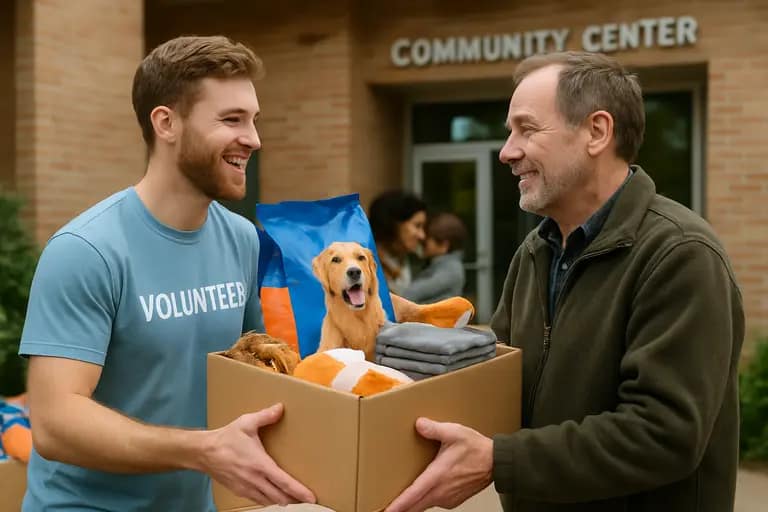
These shelter volunteer opportunities work best when kindness is practical. A front-desk helper can keep a lobby calm. A foster coordinator’s assistant can return calls. A photography volunteer can help a shy dog or cat be seen as an individual instead of a kennel card. A driver can move supplies, transport animals between approved partners, or help a foster family get a crate. None of this replaces trained staff. It gives them more room to do the work only they can do.
Hands-On Roles That Ease Daily Shelter Pressure
Shelter Volunteer Opportunities That Fit Real Life
Not every volunteer has a spare room or a flexible schedule. That is welcome news, because shelters need many kinds of help. Some roles are public-facing. Others happen behind the scenes. The best fit depends on your time, comfort level, physical ability, and the shelter’s training requirements.
- Fostering: Temporary in-home care can help pets who need a quieter place than the shelter, including young animals, recovering pets, or animals who need observations in a home setting. Any health concern should be handled through the shelter’s veterinary team or a licensed veterinarian.
- Enrichment: Reading to cats, preparing puzzle feeders, helping with play sessions, or giving dogs sniff-focused walks can make long shelter days less stressful.
- Adoption Support: Volunteers can assist with meet-and-greet flow, answer basic approved questions, help adopters gather paperwork, or share what they have observed during walks and visits.
- Media Help: Clear photos, short videos, and honest personality notes can help potential adopters notice pets who might otherwise be overlooked.
- Operations Help: Laundry, dishes, kennel setup, supply sorting, data entry, and event setup keep shelters moving when intake is high.
For people comparing shelter volunteer opportunities, the best question is not “What role sounds impressive?” It is “What can I keep doing reliably?” A two-hour weekly laundry shift that happens every Thursday may be more useful than a big promise that fades after one weekend.
Foster Homes Create Breathing Room
Foster care is one of the clearest ways volunteers can help when surrender pressure rises. A foster home can give a shelter more kennel space, but it can also reveal what a pet is like away from barking, bright lights, and constant foot traffic. Some pets eat better, rest better, or show more social confidence once they have a calmer routine. Those observations can help adoption teams make better matches.
Good foster care is not about being perfect. It is about following the shelter’s instructions, communicating early, and being honest about what you can handle. If you can foster only adult cats, say so. If you can take a medium-sized dog for two weeks but not a long-term case, that still helps. For readers who want a closer look at the people behind this work, our community story on foster volunteers shares how patient home care supports rescue outcomes.
Enrichment, Photos, And Adoption Support
Enrichment is sometimes mistaken for entertainment. In a shelter setting, it is more serious than that. Dogs and cats waiting in kennels need safe outlets for normal behaviors: sniffing, chewing approved items, climbing, hiding, stretching, watching, playing, and resting. Volunteers can prepare approved enrichment items, rotate toys, help with calm handling, or take dogs on quiet outings if the shelter offers that program.
Photos and biographies matter too. A large dog sitting tensely in a kennel may look very different on a relaxed walk. A cat hiding under a blanket may soften when given time and a gentle voice. Volunteers should avoid overselling or inventing personality traits. Honest notes are more useful: “enjoyed sniffing the grass,” “accepted treats softly,” “preferred a quiet room,” or “warmed up after a few minutes.” Responsible adoption starts with truth.
Community Prevention Helps Pets Stay Home
Cat Programs And Outreach
Some volunteer work supports shelters before animals enter the building. Community cat programs, food pantries, pet supply banks, lost-and-found help, and surrender-prevention outreach can reduce pressure on shelter kennels. The research on trap-neuter-vaccinate-return is especially relevant for communities with many free-roaming cats. A 2024 targeted service-learning project reported a three-fold reduction in euthanasia in the target community and a significant drop in unweaned kittens PubMed TNVR study.
That does not mean every community has the same resources or the same outcomes. Local laws, veterinary access, funding, staffing, and climate all affect what is possible. Volunteers can help by joining programs run by qualified organizations, following training, keeping records, and treating neighbors with respect. A person feeding outdoor cats may also be a potential partner in getting those cats sterilized and vaccinated through an approved program.
Responsible Boundaries For Volunteers
High surrender rates can stir up urgency, and urgency can tempt kind people to overcommit. Responsible volunteering includes boundaries. Do not take home an animal outside the shelter’s process. Do not give medical advice online. Do not pressure a family to keep a pet if there may be safety concerns. Do not promise an adopter that a pet will behave a certain way in every home.
Instead, be the steady person. Ask staff what is most needed that week. Follow cleaning protocols. Use approved handling tools. Report concerns promptly. If a pet seems sick, injured, overheated, or unusually distressed, alert staff so a licensed veterinarian or trained professional can assess the animal. Volunteers protect pets not by guessing, but by communicating.
Shelter Volunteer Opportunities For High Surrender Rates
How To Start This Week
If you are ready to help, start close to home. Visit your municipal shelter, humane society, rescue group, or foster-based organization’s official website. Read the volunteer requirements before applying. Many organizations require orientation, age minimums, background checks, training modules, or specific handling approval before volunteers work directly with animals.
Choose one role you can sustain for the next month. If you have space, ask about short-term fostering. If your home is full, ask about enrichment prep, adoption events, supply sorting, transport, or photography. If you are nervous around large dogs, say so; cat care, laundry, office support, and event greeting can still be deeply useful. If you speak more than one language, ask whether the shelter needs help with community outreach materials or adoption conversations.
The most meaningful shelter volunteer opportunities are built on consistency, humility, and care. A surrendered pet does not need a hero with a grand speech. They need clean bedding, a safe routine, a patient foster, a clear photo, a kind adopter, and a community that refuses to look away. That is where one person can make a real difference: not by doing everything, but by doing one helpful thing well and coming back to do it again.