
Shelter Overcrowding at San Diego Humane Society has become one of those local animal welfare stories that asks all of us to pause, breathe, and think beyond a single kennel door. As of August 2026, the organization was operating at 171% capacity for dogs and caring for nearly 1,900 animals across its campuses, according to KPBS reporting. Those numbers are not abstract. They represent dogs waiting longer, staff carrying heavier days, and families in the region facing hard choices about pets they love.
As a rescue-minded community, we do not have to respond with blame. Overcrowding often sits at the intersection of housing pressure, cost pressure, unexpected life changes, and limited space. What we can do is respond with steady, practical help: thoughtful adoption, temporary fostering, donations that support daily care, and policy conversations that help more pets stay safely with their people.
Why Shelter Overcrowding Became So Visible
The San Diego Humane Society situation did not appear out of nowhere. By late summer 2026, the shelter system was seeing high dog numbers, longer stays, and intake pressure that outpaced adoption flow. In August 2026, SDHS had 766 adult dogs in care, up from 690 adult dogs in August 2025, a record noted by Axios San Diego. For staff and volunteers, that kind of increase changes daily work from difficult to exhausting.
Shelter Overcrowding By The Numbers
The figures shared in August and September 2026 help explain why this moment feels urgent. SDHS was not just a little full; it was caring for far more dogs than its standard kennel capacity was designed to hold. The average stay for a dog had risen to 59 days, a 28% increase over the previous year, with KPBS reporting that longer stays increase costs, stress, and risk of illness or behavior problems. That means the same kennel may remain occupied for nearly two months, while new strays, surrendered pets, and animals from emergency situations continue to arrive.
On one August 2026 day, SDHS admitted 23 adult Chihuahuas from an eviction scenario, adding pressure to an already strained dog population. It is easy to read that as one large intake event, but it also reflects a wider truth: housing instability can become an animal welfare issue very quickly. A person losing housing may also lose the ability to keep a pet, even when the bond is strong.
Why Longer Stays Matter
Longer shelter stays affect everyone in the building. Dogs may need more enrichment, more cleaning, more volunteer time, and more adoption counseling to find a good fit. Staff must keep meeting daily needs while also welcoming new animals and supporting the public. Families hoping to adopt may see many wonderful dogs, but they may also need help choosing a pet whose size, energy level, age, and needs match their real home life.
This is where compassion needs structure. A rushed adoption helps no one if the pet is returned days later because the match was not realistic. Responsible adoption means asking honest questions: Can I afford food, supplies, training support, licensing, and regular veterinary care? Does my housing allow this pet? Do I have time for exercise, supervision, and slow introductions? If the answer is yes, adoption can open space for the next animal. If the answer is not yet, there are still meaningful ways to help.
What Community Support Can Do Now
Shelter Overcrowding can feel too large for one household to affect, but shelter relief is often built through many small acts that stack up. One adoption, one foster home, one donated bag of supplies, or one volunteer shift may not fix the whole system. Together, those acts create breathing room. Our related piece on shelter overcapacity and community support looks at the same pattern across rescue work: local help matters most when it is steady, realistic, and kind.
Adoption With Honest Preparation
Adoption is most helpful when it is rooted in fit, not impulse. Large dogs, adult dogs, shy dogs, and pets with specific management needs may wait longer because adopters often worry about adjustment. A good adoption counselor can help translate a dog’s shelter notes into everyday expectations: exercise needs, compatibility information the shelter has observed, and any support the pet may need after going home.
For families considering adoption from SDHS or any shelter, the best first step is a household conversation. Talk about schedules, budget, landlord rules, children, other pets, and backup care. If a pet has medical or behavioral concerns, ask the shelter what is known and consult a licensed veterinarian or qualified trainer as appropriate. Adoption should feel hopeful, but it should also be grounded in the daily reality of caring for another living being.
Fostering As Breathing Room
Fostering is one of the gentlest ways to relieve Shelter Overcrowding without making a lifelong commitment right away. A foster home may give a dog a quieter place to rest, create kennel space for another animal, and help the shelter learn how that dog behaves in a home setting. That information can make future adoption counseling stronger.
Not every foster placement is the same. Some may be short stays; others may involve an adult dog who needs time away from the noise and routine of the shelter. Good foster programs usually provide guidance, and fosters should be honest about their limits. If your home cannot safely handle a large dog, a dog with separation distress, or a pet who needs separation from resident animals, saying so is not failure. It is responsible care.
- Adopt if you are ready: Choose a pet whose needs match your home, time, budget, and housing rules.
- Foster if you have temporary space: Even a short placement can reduce pressure on crowded kennels.
- Donate if your home is full: Funds and supplies can support food, care, cleaning, and shelter operations.
- Volunteer if you can be consistent: Reliable help with animal care and public support can ease staff strain.
- Support pet-retention efforts: Local policies and assistance programs can help families keep pets when safe and possible.
Responsible Help Beyond The Adoption Floor
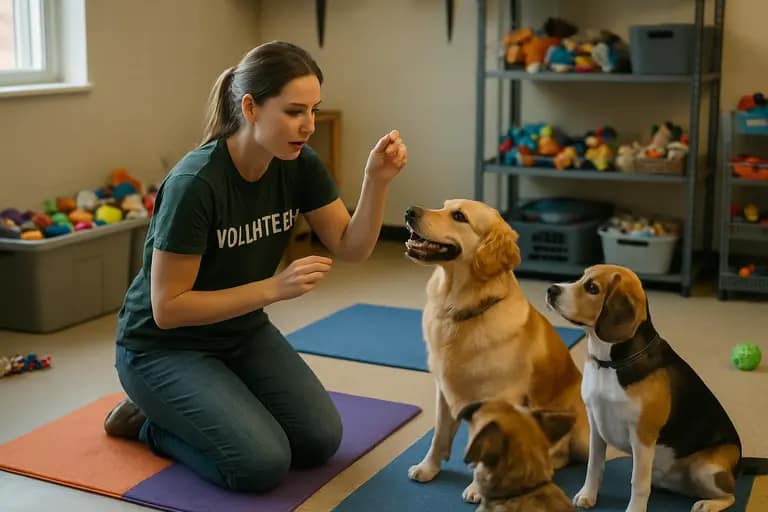
Community response should not stop at adoption events. A crowded shelter is often a signal that the surrounding community needs more safety nets for pets and people. Donations, volunteer support, pet-friendly housing conversations, and surrender-prevention resources all belong in the same discussion. Shelter Overcrowding is not only a kennel-count issue; it is a neighborhood issue.
Donations, Supplies, And Staff Relief
When animal numbers rise, daily costs rise with them. More animals need meals, clean bedding, safe handling, enrichment, and staff attention. Donations can be especially useful because shelters can direct funds to the highest need at that moment. For some supporters, a monthly gift may be more manageable than a large one-time donation. For others, wish-list supplies or volunteer hours may be the best fit.
It is also worth remembering the emotional weight carried by shelter teams. Staff and volunteers are often the people who comfort animals, speak with owners surrendering pets, clean kennels, answer public questions, and celebrate adoptions. Community kindness toward those workers matters. A respectful tone at the front desk is not a substitute for funding or fostering, but it does help create the humane culture we all say we want.
Policy Conversations That Keep Pets Home
Policy may sound distant from the dog sitting in a kennel, but local rules and resources can affect whether pets stay with families. Pet-friendly rental access, support for people facing eviction, affordable veterinary access through legitimate programs, and clear public education can all shape intake pressure. The August 2026 Chihuahua intake tied to an eviction scenario is a reminder that housing instability can quickly become shelter intake.
Community members can ask local leaders practical questions: How can renters with pets be supported? Are there programs that help families before they reach surrender? Are shelters, housing groups, and social service organizations communicating well? These are not quick fixes, and the available research in the provided reporting does not prove one single cause for the SDHS crowding. Still, the documented numbers show a system under strain, and that strain deserves more than temporary sympathy.
San Diego Humane Society Support
San Diego Humane Society support begins with seeing the full picture. The dogs waiting in care are not statistics, yet the statistics help us understand the scale of their wait. The staff asking for help are not asking the community to solve everything alone; they are asking neighbors to share the load in ways that match their lives.
A Shared Civic Response
If you can adopt, do it with preparation and patience. If you can foster, be honest about your home and your limits. If you can donate, give in a way that lets the shelter meet its most urgent needs. If you can speak up, support humane policies that reduce preventable surrender and keep pets with families when it is safe to do so.
Shelter Overcrowding at SDHS in August and September 2026 showed how quickly space can disappear when intakes rise and adoptions do not keep pace. It also showed something hopeful: every open home, every careful adopter, every foster family, every donor, and every respectful advocate can be part of the relief. Rescue work has always been community work. In San Diego, that truth is sitting plainly in the kennels, waiting for all of us to answer with care.