
2025 adoption trends offer a hopeful but honest picture for anyone who loves rescue pets: more animals found homes, yet shelters and rescues still carried heavy daily responsibility. In 2025, an estimated 5.8 million dogs and cats entered U.S. shelters and rescues, about 121,000 fewer than in 2024, according to the 2025 Annual Data Report. The ASPCA’s report summary also noted about 4.2 million adoptions in 2025, a small increase of roughly 0.7 to 1 percent over 2024, based on Shelter Animals Count data shared by the ASPCA sheltering report release.
Those numbers are not just a scorecard. They are a community signal. Every adoption depends on a chain of people: the neighbor who scans a lost pet, the foster family who opens a spare room, the adopter who plans before bringing a companion home, and the shelter team that keeps showing up with patience. The data does not erase the hard parts, but it does point toward practical places where local action can help.
What 2025 Adoption Trends Show
2025 Adoption Trends In Intake And Adoption
Seen plainly, 2025 adoption trends suggest a sheltering system that improved in some areas without receiving a dramatic break from demand. The estimated 5.8 million intakes included 2.8 million dogs and 3 million cats. A 2 percent decline from 2024 is encouraging, but 5.8 million animals still represents a large national workload for shelters, rescues, fosters, transport partners, volunteers, and adopters.
Adoption moved in the right direction, though modestly. About 4.2 million dogs and cats were adopted in 2025. Dog adoption rates rose from 55 percent in 2024 to 57 percent in 2025, while cat adoption rates stayed at 63 percent, according to the Shelter Animals Count report. For adoption advocates, this is a reminder to celebrate each match while avoiding victory laps too early. A one-point or two-point gain can mean many lives changed, but the pace still leaves shelters working hard to keep animals moving into safe, lasting homes.
Dogs, Cats, And Different Pressures
The dog and cat data ask for different kinds of community help. Dogs saw a 5 percent reduction in non-live outcomes in 2025, while cats saw a 4 percent increase, especially among kittens and older cats, as reported in the ASPCA release. Across all dogs and cats, non-live outcomes, including euthanasia, died in care, and lost, totaled approximately 757,000, down 1 percent from 2024.
That mixed result deserves care in how we talk about it. It is not a reason to blame shelters. Most shelter professionals and volunteers are managing limited space, time, staffing, foster homes, and medical support. It is a reason to ask where help can be most useful. Cats, especially kittens and seniors, may need foster homes, adoption promotion, transport coordination, and community programs that reduce preventable intake. Large dogs, which the data notes have stayed longer in shelters than several years ago, may need patient adopters, breed-neutral rental access, and foster homes willing to provide calm notes about real home behavior.
Why Reunions And Community Intake Matter
Strays, Surrenders, And Return-To-Owner
In community terms, 2025 adoption trends are not only about adoption. They are also about keeping pets connected to their people whenever safe and possible. Return-to-owner outcomes reached roughly 638,000 animals in 2025, a 3 percent decline from 2024. Dogs were far more likely than cats to be returned: about 19 percent of dog intakes compared with 3 percent of cat intakes. Among strays, 34 percent of dogs were reclaimed compared with 6 percent of cats, according to the 2025 Annual Data Report.
That gap is one of the clearest calls for neighborhood-level care. ID tags, microchips, updated contact information, clear lost-and-found posts, and prompt shelter checks can shorten a pet’s time away from home. For cats, the low reclaim rate should make every community pause. A friendly outdoor cat may be owned, displaced, lost, or part of a managed community cat situation. The data does not tell us the right answer for every cat, but it does show that reunions are much less common for cats than dogs.
Community intake patterns add another layer. Excluding transfers, about 59 percent of community intakes were strays, about 30 percent were owner relinquishments or surrenders, and about 11 percent came through other pathways such as born in care or seized cases, based on Shelter Animals Count data. Stray prevention and owner support are both adoption issues, because fewer avoidable intakes can leave more shelter capacity for animals with no other safe option.
Transfers And Time In Care
Transfers remained a major part of shelter operations in 2025. About 1,260,000 dogs and cats were transferred into shelter organizations, up roughly 3 percent over 2024, while 906,000 were transferred out, down roughly 1 percent. Government shelters made up the majority of transfers out, according to the Shelter Animals Count report.
Transfers can connect animals with organizations that have room, foster homes, or stronger adoption demand for a certain pet type. Still, every transfer requires coordination, safe handling, records, and post-transfer care. That is where local supporters can be powerful. A volunteer driver, a temporary foster bed, or a donation of cleaning supplies may sound small, but each can support the daily work behind those transfer numbers.
The report also noted that animals are staying longer in shelters than several years ago, especially large dogs. At the same time, median days to adoption decreased in 2025 compared with 2024 across government shelters, private shelters, and shelters with municipal contracts for both dogs and cats. That pair of facts may sound contradictory at first, but it makes sense: some animals may be moving faster, while harder-to-place pets still wait longer. The mission, then, is not just more adoptions. It is better matchmaking and stronger support after adoption.
How Adopters And Fosters Can Help
Prepare Before Bringing A Pet Home
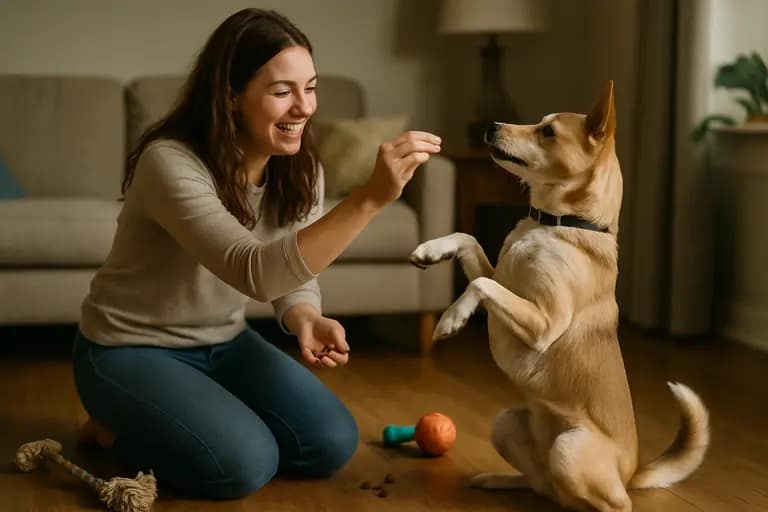
Using 2025 adoption trends well means turning data into preparation. Adoption is not a one-day act of kindness. It is a commitment to food, enrichment, safe housing, routine veterinary care, training support, patience, and backup planning. If a pet has health concerns, new symptoms, or a sudden behavior change, families should consult a licensed veterinarian rather than relying on internet guesses.
Before adopting, households can talk through daily schedules, rental rules, pet deposits, emergency funds, and who will handle walks, litter care, feeding, training practice, and veterinary visits. Rescue-first enthusiasm is wonderful; realistic planning keeps that enthusiasm fair to the animal. Families thinking through cost and care can also pair shelter data with adoption-minded ownership planning, such as our notes on the APPA pet report.
Support Cats, Large Dogs, And Older Pets
Not every person is ready to adopt, and that is okay. Shelters need many kinds of helpers. If adoption is not possible, fostering may be a fit. Short-term foster care can give shelters more space and can help animals show who they are in a home setting. Volunteers can ask local organizations what they need most instead of guessing, because needs differ by community.
- Adopters can ask about pets who have waited longer, including large dogs, senior cats, and bonded pairs.
- Fosters can offer specific help, such as bottle-feeding support if trained, a quiet room for an adult cat, or weekend care for a dog who needs a shelter break.
- Neighbors can help reunite lost pets by checking tags, scanning for microchips through shelters or veterinary clinics, and sharing clear local found-pet notices.
- Donors can ask shelters whether funds, food, litter, transport help, or foster supplies are most useful at that moment.
The best rescue communities do not shame people into helping. They make help approachable. A person who cannot adopt may be able to foster once. A person who cannot foster may be able to drive a transfer leg. A person who cannot volunteer may be able to keep their own pet safely identified and out of the shelter system if lost.
2025 Adoption Trends And Community Action
Turning The Data Into Better Matches
2025 adoption trends show progress, pressure, and a clear invitation. Intake declined slightly, adoptions rose slightly, and non-live outcomes decreased slightly across all dogs and cats. Yet the numbers also point to cats needing sharper community attention, dogs and cats needing faster reunions, and long-stay animals needing advocates who see beyond kennel stress.
The most caring response is not panic. It is participation. Ask your local shelter what they need this month. Share adoptable pets with accurate, kind language. Keep your pet’s ID current. Consider fostering before assuming you cannot help. If you adopt, give the animal time to settle and ask qualified professionals for support when needed. Data gives us direction, but people create the change. In rescue work, every thoughtful home, every safe reunion, and every patient foster placement matters.