
Houston Adoption Pauses have asked Houston-area animal lovers to do something that feels difficult but deeply humane: slow down, verify rules, and protect pets from a parasite risk that has affected shelter transport across Texas. On August 19, 2026, AP reporting carried by The Washington Post said adoptions were on hold for thousands of dogs and cats in Texas because states were restricting movement of animals from screwworm-affected zones to limit spread Washington Post report. For adopters, fosters, and shelter teams, that pause was not a lack of commitment. It was a safety measure.
The Houston Humane Society has been part of that careful response, balancing adoptable animals, incoming pets, foster placement, and transport delays. The hardest part is that shelter work depends on motion. A dog moves from intake to evaluation, from a kennel to a foster sofa, from Houston to a partner shelter, or from a kennel door into a permanent home. When disease-control rules slow that movement, every open kennel matters.
What The Screwworm Rules Changed For Shelters
Why Movement Restrictions Matter
The New World screwworm response is rooted in animal-health regulation, not shelter preference. The Texas Animal Health Commission has posted emergency information stating that movement of warm-blooded animals out of designated infested zones is restricted without prior authorization TAHC emergency guidance. That matters to shelters because dogs, cats, livestock, wildlife, and other warm-blooded animals can all be part of a broader movement-control plan.
In practice, a shelter may have animals who look ready for adoption or transfer, yet still face paperwork checks, route concerns, receiving-state rules, or temporary holds. The humane instinct is to move quickly, especially when kennels are full. The responsible rescue instinct is to move safely. Those two values can feel like they are pulling in opposite directions, but both exist to protect animals.
What The Parasite Risk Means
Research shared about the outbreak describes the New World screwworm fly as a parasite that lays eggs in wounds of live warm-blooded animals, including pets. Even small wounds were listed as a concern in the research notes. That does not mean every pet from Texas is infected, and it should not trigger panic around shelter animals. It does mean shelters, transport partners, and adopters have reason to respect official checks.
For families, the practical guidance is simple: if a pet has a wound, an unusual skin concern, or a recent travel history tied to a regulated area, contact a licensed veterinarian and follow official animal-health instructions. Shelter staff and veterinarians are the right people to assess individual animals. Well-meaning guesses can add stress and spread misinformation.
How Houston Adoption Pauses Affect Shelter Flow
What Houston Adoption Pauses Mean For HHS
Public reporting named Houston Humane Society shelter director Aaron Grady and described the shelter’s operating balance: roughly 200 animals housed internally, mainly cats and dogs, with a foster network able to care for up to 300 more animals to help avoid overcrowding Houston shelter figures. That foster capacity is not a side note. It is the difference between a shelter that can absorb disruption and one that runs out of space faster than the community realizes.
For HHS, Houston Adoption Pauses are not just about adoption appointments. They can affect transport to out-of-state partners, length of stay for animals already in care, and the timing of new intakes. Transport has long helped many shelters reduce local pressure by moving adoptable pets to regions with available adopters or partner capacity. When transport slows, animals stay longer, kennels turn over more slowly, and staff must work harder to keep daily care calm and consistent.
Foster Homes As Breathing Room
Foster care gives a shelter time. A foster home can offer quiet rest, daily observation, and a more personal picture of a pet’s habits. It also frees kennel space for urgent cases. During a movement pause, that breathing room becomes even more valuable because the usual exits may be temporarily narrowed.
This is where community care becomes practical rather than symbolic. A person who cannot adopt may still foster. A neighbor who cannot foster may help with supplies. A family considering surrender may call first and ask whether there is a safe short-term alternative. None of these actions erase the outbreak, but each one can reduce pressure on animals and workers.
For readers tracking the wider Texas situation, our related shelter update on Texas pet adoption restrictions offers broader context on how movement checks have affected rescues and adopters.
Practical Ways The Community Can Help
Before Surrendering A Pet
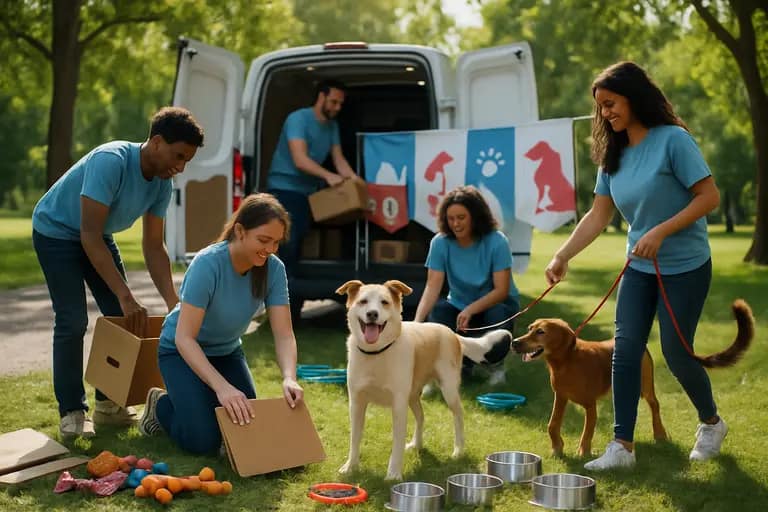
One of the most compassionate choices during a shelter slowdown is to delay surrender if it is safe and possible. That does not mean families should struggle alone or keep a pet in an unsafe situation. It means calling the shelter, asking about options, and being honest about the urgency. Some needs can be eased with temporary support, behavior resources, pet food help, or a planned intake date instead of an immediate drop-off.
Responsible pet ownership is not perfect ownership. It is the willingness to ask for help before a crisis becomes irreversible. During a regulated animal-health response, that early call can protect kennel space for animals with no other option.
If You Can Foster
Fostering during a pause is not glamorous. It may mean keeping a pet comfortable while adoption timing is uncertain. It may mean sharing updates with shelter staff, following biosecurity instructions, and being patient while transport rules change. But it is also one of the most direct ways to help a rescue keep animals safe.
- Ask what the shelter needs most: Some animals need short stays, while others need quieter homes for longer periods.
- Follow official movement guidance: Do not move foster pets across county or state lines without shelter approval.
- Keep pets separated when asked: Shelter instructions may protect resident pets, foster pets, and transport eligibility.
- Report health concerns promptly: Contact the shelter or a licensed veterinarian rather than trying home treatment.
- Share adoptable pets respectfully: Calm, accurate posts can help animals without creating fear around the outbreak.
Adopters can help, too. If an adoption is delayed, staying in touch with the shelter matters. A pause may be frustrating, but a patient adopter can still become the safe home waiting at the other end of the hold.
Houston Adoption Pauses And Community Care
A Respectful Path For Rescue Pets
Houston Adoption Pauses are a reminder that rescue work is built on both heart and restraint. The heart says every animal deserves a home as soon as possible. Restraint says animals also deserve safe movement, clear records, and decisions guided by public animal-health officials.
For the Houston Humane Society, the response described in public reporting points to a familiar rescue truth: shelters cannot carry the load alone. Foster homes, delayed surrenders when safe, patient adopters, and accurate community sharing all help protect animals during a difficult period. The goal is not simply to reopen movement. The goal is to keep trust intact while pets wait for the homes they deserve.