
Clear The Shelters campaign results from 2026 gave animal welfare groups, adopters, fosters, and donors a lot to learn from. The campaign’s adoption period ran from August 1–31, 2026, while fundraising ran from July 15–September 15, 2026. During that period, participating organizations reported more than 135,000 pet adoptions and nearly $500,000 raised for shelters, according to NBCUniversal’s 2026 results. Those numbers are encouraging, but the deeper value is what they teach about thoughtful adoption: public visibility matters, reduced barriers can help, and community support must continue after the big campaign push ends.
What Clear The Shelters Results Show
The clearest 2026 lesson from Clear The Shelters is that adoption campaigns can concentrate attention in a way individual shelters often cannot do alone. NBCUniversal reported participation from more than 100 NBC and Telemundo stations and more than 1,200 shelters across 153 markets, spanning 47 states, Washington, D.C., Puerto Rico, and Guam. That scale matters because adoption is not just a shelter task; it is a community behavior. People have to know animals are available, understand what adoption involves, and feel welcomed into the process.
Since the campaign launched in 2015, it has helped nearly 1.5 million pets get adopted and raised more than $6 million in donations, based on the same NBCUniversal report. That long record suggests the campaign is not only a one-month publicity effort. It has become a recurring community prompt, reminding families to consider adoption before shopping for a pet and reminding neighbors that donations, fostering, and volunteer time can help shelters care for animals still waiting.
Why The 2026 Adoption Count Matters
More than 135,000 adoptions in one campaign period is a major result, but responsible adoption advocates should read the number with care. A good adoption is not simply a fast placement. It is a match that gives the animal and family a real chance to succeed. That means conversations about daily schedule, housing, other pets, children, activity level, training plans, and veterinary care should stay central, even during high-interest events.
For rescue groups, the strongest practice may be using campaign attention to start better conversations. A family drawn in by waived or reduced fees still needs honest guidance. A senior cat, a shy dog, a bonded pair, or a high-energy young pet may be a wonderful fit for the right home, but the shelter team has to help the adopter picture real life after pickup day. That is where humane counseling protects both sides of the adoption.
How Campaigns Shape Adoption Practice
Large adoption campaigns can influence how shelters communicate, schedule staff and volunteers, and prepare adopters. They also show how public messaging changes behavior. When local news stations, shelters, rescue partners, and community donors talk about adoption at the same time, the message becomes easier to act on. People who have been thinking about a pet may finally visit a shelter. Families who cannot adopt may decide to foster, donate, or share adoptable pets with friends.
Clear The Shelters As A Practice Lab
Clear The Shelters functions like a real-world practice lab for adoption access. The research notes point to adoption fee waivers and reduced-fee events as part of the campaign strategy, though not every participating shelter reports those details in the same way. That lack of uniform reporting leaves some uncertainty, but the general practice aligns with shelter research. A study of U.S. shelter data from 2016 to 2020 found that euthanasia rates dropped 44% overall, while live release rates rose, and the authors discussed adoption-fee reductions among practices linked with increased adoptions in shelter outcome research.
Fee reductions should never mean lower care standards. They can remove a financial barrier at the point of adoption, but adopters still need to budget for food, preventive veterinary care, supplies, safe housing, identification, and enrichment. A waived fee is not a free pet; it is an invitation to put resources toward long-term care. Shelters can support that message by pairing fee promotions with clear checklists, realistic counseling, and reminders to consult a licensed veterinarian for health questions.
Responsible Ownership Beyond Adoption Day
Campaign success should be measured not only by how many pets leave shelters, but also by how well families are prepared. Adoption day is exciting. The week after adoption can be noisy, confusing, and full of adjustment for both the animal and the household. That is why responsible ownership education should be part of every event, especially high-volume adoption campaigns.
Simple preparation helps. Families can set up a quiet decompression space before the pet arrives, confirm landlord or housing rules, discuss duties among household members, and plan for a veterinary relationship. For dogs, that might include safe walking equipment and patient routines. For cats, it may mean litter box placement, scratching outlets, and gradual introductions. For any adopted pet, the goal is patience, not perfection.
- Ask match-based questions: Energy level, social comfort, known history, and daily care needs matter more than looks alone.
- Plan the first two weeks: Keep routines calm, limit overwhelming introductions, and let the animal settle at a humane pace.
- Use shelter support: Many shelters and rescues can explain post-adoption resources, return policies, behavior support options, and foster-to-adopt programs where available.
- Budget beyond the adoption fee: Food, supplies, veterinary care, training support, and pet-safe housing are part of responsible care.
Community education can also reduce unrealistic expectations. A newly adopted pet may not act like a relaxed family companion on the first night. Stress, sleep changes, appetite changes, hiding, or clinginess can happen during adjustment. If health concerns appear, adopters should contact a licensed veterinarian. If behavior concerns arise, the shelter, rescue, or a qualified trainer can help families choose humane next steps.
What Rescues Can Carry Forward
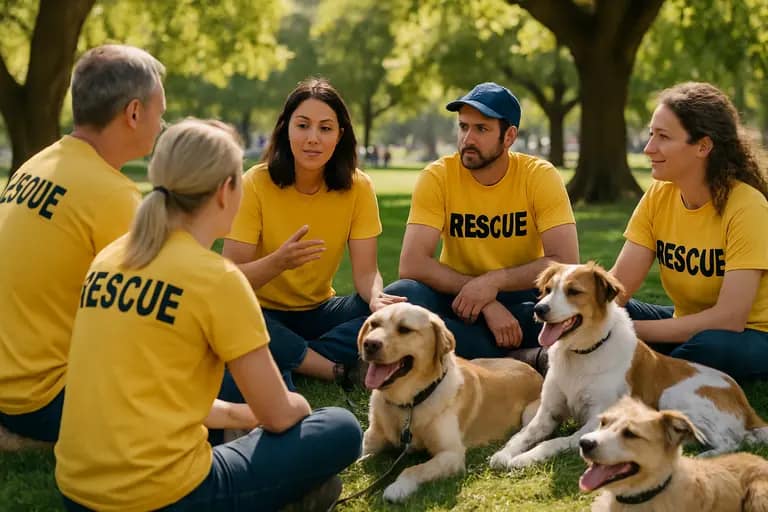
Clear The Shelters also gives rescues a chance to refine their year-round work. High-visibility campaigns can reveal which messages bring people in, which animals need extra promotion, and which adopter questions appear most often. That feedback can shape better profiles, clearer foster notes, and stronger follow-up communication.
For example, if adopters repeatedly ask whether a pet can live with another dog, shelters can collect careful, non-guaranteed observations from staff and fosters. If families ask about apartment living, shelters can explain known activity needs without making promises. If many people express interest but are not ready to adopt, volunteer teams can offer fostering, donation, transport, or supply-drive options. Those paths matter because shelter support is not limited to adoption.
There is also a healthy caution here. Campaigns can create a welcome surge of attention, but shelters still need steady support in quieter months. For readers who want to see how one campaign can connect to longer-term rescue work, our related piece on campaign impact on rescue pets looks at why visibility, donations, and responsible matches all belong in the same conversation.
Community Lessons From The 2026 Results
The 2026 results show that adoption campaigns work best when they bring many kinds of helpers together. Broad media attention introduces the public to adoptable pets. Shelters and rescues guide the match. Fosters provide home-based insight. Donors help cover care. Volunteers make events manageable. Adopters open their homes. None of those contributions stands alone.
The campaign also reminds us to avoid treating adoption as a one-day transaction. A community-driven adoption culture asks better questions: Are adopters prepared? Are fosters supported? Are pets represented honestly? Are donations reaching participating shelters? Are families encouraged to seek qualified help rather than guessing through challenges alone? These questions make adoption more humane.
As Caden Locke, I get especially excited about this part: every neighbor has a lane. Some people can adopt. Some can foster. Some can transport supplies. Some can sponsor fees. Some can share shelter posts with care and accuracy. Small, steady acts build the safety net that adoption events depend on.
Clear The Shelters Adoption Practices After August 2026
The best use of Clear The Shelters results is not a victory lap; it is a planning tool. The 2026 campaign proved that national attention can help pets find homes and raise funds for shelters. It also highlighted the need for thoughtful screening, adopter education, post-adoption support, and year-round community involvement.
For families, the lesson is simple and kind: adopt when you are ready, not just when an event is active. For shelters, the lesson is to keep pairing access with preparation. For communities, the lesson is to stay engaged after August. Pets need people in every season, and rescue work is strongest when adoption, fostering, donations, and responsible ownership move together.