
The Rescue Effect campaign is one of those moments when national attention can meet local compassion in a very real way: a family opening a carrier, a foster volunteer washing extra blankets, a shelter team making space for the next animal who needs help. As of September 21, 2026, the ASPCA effort has already begun and is continuing through October 2026, so participation now is less about hype and more about thoughtful action.
How The Rescue Effect campaign Works
The ASPCA announced the third annual run on July 15, 2026. It began on August 1, 2026, and is scheduled to continue through October 2026, which includes Adopt-a-Shelter Dog Month. The ASPCA also stated that more than 450 shelters and rescue organizations are participating nationwide, with $2 million in grant funding intended to help shelters waive adoption fees and support operating costs during adoption events ASPCA campaign announcement.
That matters because fee support can lower one barrier for adopters while giving shelters a practical tool during busy adoption periods. A waived adoption fee, though, should never be mistaken for a casual decision. Food, enrichment, training, licensing where required, supplies, and routine veterinary care remain part of responsible pet ownership. If a pet has health or behavior needs, families should ask the shelter what is known and consult a licensed veterinarian or qualified professional for individualized guidance.
Rescue Effect campaign Dates And Shelter Support
The Rescue Effect campaign was built around a three-month adoption push rather than a single day. That pacing gives shelters more room to schedule adoption events, speak with families, and introduce available pets in a calmer way. It also gives neighbors several ways to help, even if adoption is not the right step for their household right now.
For adopters, the timing can be useful. A person who missed an August event still had September and October opportunities to contact participating organizations. For shelters, the longer window may help spread interest across multiple weekends and community gatherings. That slower rhythm can be healthier for people and animals alike because good matches often take conversation, honesty, and patience.
What Responsible Participation Looks Like
Campaigns can bring fresh energy, but the best outcomes come from matching that energy with planning. Before adopting, families should talk openly about daily schedules, housing rules, allergies, household noise, children, other pets, and finances. Those details are not obstacles; they are the information shelters use to help people meet animals who may fit their lives.
I always encourage community members to walk into adoption with humility. A shy cat may not show her full personality in a busy room. A young dog may need structure, exercise, and patient teaching. A rabbit, senior pet, or bonded pair may have needs that deserve the same care and respect as any puppy or kitten. Adoption is not about finding the most photogenic pet; it is about making a safe, lasting commitment.
Fee-Waived Does Not Mean Care-Free
Fee-waived events can be a gift, especially for households ready to adopt but mindful of upfront costs. Still, the adoption fee is only one piece of pet care. Before signing papers, adopters should think through the first week at home, the first month of adjustment, and the long-term cost of supplies and veterinary care. If uncertainty remains, it is kinder to pause than to rush.
Shelter teams and rescue volunteers are not looking for perfect people. They are looking for honest people. Saying, "I work long shifts," or "my current dog is selective," or "I need a pet who can live peacefully in an apartment," helps staff guide the conversation. Responsible adoption protects the animal, the adopter, and the shelter team that may otherwise see the pet returned.
Adoption, Fostering, And Neighbor-To-Neighbor Help
Not every supporter can adopt during this campaign, and that is perfectly valid. Fostering, donating supplies, sharing shelter posts, helping with transport if approved by an organization, and inviting friends to consider adoption can all support the same goal. A foster home can give an animal a quieter place to rest while helping the shelter learn more about that pet in a home setting.
For neighbors who want a more practical planning companion, I shared related thoughts on adoption with care, especially for families weighing whether this is the right time to bring a pet home. The heart of the advice is simple: help in the way your life can sustain.
Adoption Questions That Protect The Match
Good questions are acts of care. Ask what the shelter knows about the pet’s daily routine, comfort with handling, response to other animals, known medical background, and adjustment needs. Ask what support is available after adoption. Ask whether there are return policies or counseling resources if the transition is harder than expected.
These questions do not make you difficult. They show that you are thinking beyond the happy photo. The first few days after adoption can be tender and confusing for a pet. Quiet space, predictable routines, and patient introductions often matter more than buying every item in the pet aisle on day one.
Fostering Gives Shelters Breathing Room
Fostering can be especially meaningful during a national adoption push. A foster home may help a pet decompress, recover from stress, or show traits that were hard to see in a shelter kennel. Foster caregivers can also provide photos and notes that help future adopters understand the animal as an individual.
If you are considering fostering, ask the organization what supplies they provide, who covers veterinary decisions, what to do in an emergency, and how long placements usually last. Clear expectations keep foster families from feeling alone and help animals receive steadier care.
What The Queens Event Showed On August 6, 2026
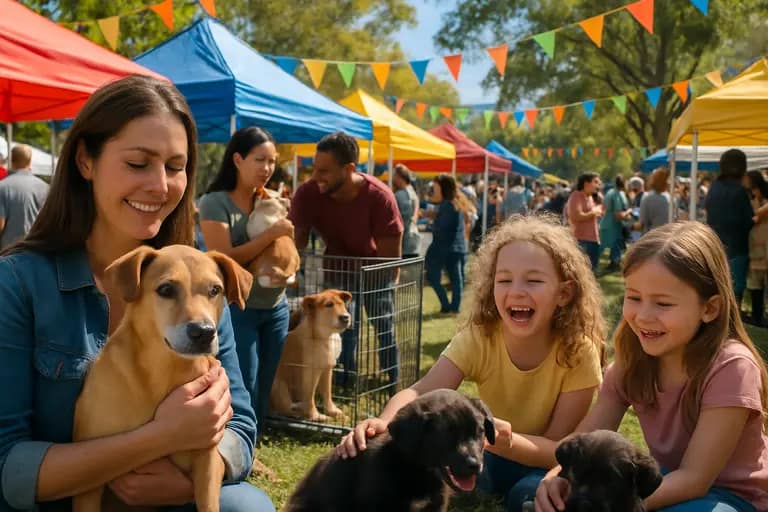
One local example has already shown how the campaign can work on the ground. On August 6, 2026, the ASPCA, Animal Care Centers of NYC, and the Pete & Thomas Foundation hosted a fee-waived adoption event in Queens. According to the ASPCA, the event was supported by a $10,000 grant and helped 29 adoptable animals, including cats, dogs, and rabbits, find homes Queens adoption event recap.
Those 29 placements represent more than numbers. Each adoption involved a shelter team preparing animals, answering questions, reviewing matches, and sending families home with next steps. The event also shows why national campaigns depend on local trust. People adopt from organizations they can speak with, visit, and return to for guidance.
A Local Event With National Lessons
The Queens event offers a helpful reminder for any community: adoption success is not built by one organization alone. Foundations, city shelters, national welfare groups, volunteers, and adopters each bring something different. The campaign name may be national, but the real work happens in intake rooms, foster homes, adoption counseling spaces, and living rooms where new pets are learning they are safe.
Community members can honor that work by resisting impulse adoption and choosing steady support. Share posts from your local shelter. Ask whether they need towels, food, or carriers before dropping off donations. Sign up for volunteer orientations only if you can commit to the schedule. Small acts, repeated with care, can carry shelters through the quieter weeks after a big event ends.
Rescue Effect campaign Participation In Your Community
The Rescue Effect campaign gives animal lovers a clear invitation, but the most compassionate answer is the one you can keep. Adopt if your home, budget, and schedule are ready. Foster if you have the space and support to offer a temporary landing place. Donate or advocate if that is the steadier fit. Each path can help shelter pets without stretching a household past its limits.
As October 2026 approaches, I hope more communities treat this campaign as a bridge rather than a burst of attention. The pets waiting in shelters need adopters, yes, but they also need neighbors who value preparation, transparency, and lifelong care. That is how a national adoption push becomes something warmer and more durable: a community choosing to show up, one responsible decision at a time.