
The APPA Pet Report gives our pet-loving community a clear signal: more households are sharing life with animals, while many families are also feeling real budget pressure. In 2025, U.S. pet industry expenditures reached $158 billion, up 3.7% from 2024, with 2026 spending projected at $165 billion; APPA also reported that about 95 million U.S. households owned at least one pet in 2025 APPA industry statistics. Those numbers are large, but behind them are daily choices: whether to adopt, foster, budget for food, plan for veterinary care, or help a local rescue keep animals safe.
As a community blogger, I try to read reports like this with both my head and my heart. A spending increase can sound like good news for the pet world, yet it can also mean families are stretching to cover basics. Rising dog and cat ownership can be joyful, but only if homes are prepared for long-term care. The data gives us a chance to pause before we cheer, and to ask how we can make pet ownership kinder, steadier, and more adoption-minded.
What The APPA Pet Report Says About Homes
APPA Pet Report Numbers Worth Sitting With
The ownership figures show a strong bond between people and companion animals. The research notes report that dog ownership grew from 51% of U.S. households in 2024 to 53% in 2025, or roughly 71 million households. Cat ownership also rose, reaching 39% of households in 2025, or about 53 million households. For shelters and rescues, this is not just a market signal. It is a reminder that many people still want animals in their homes, including families who may be open to adoption if support, timing, and education line up.
The APPA Pet Report also points to a broader social shift. Gen Z pet-owning households increased 43.5% from 2023 to 2024 and represented about 20% of U.S. pet-owning households in 2024, according to the research notes. More men are also represented among younger dog owners, with the notes reporting that 58% of Gen Z dog owners and 63% of Millennial dog owners were male. I see an opportunity here for shelters to speak to a wider circle of adopters and volunteers without making assumptions about who the “typical” pet person is.
Why Stable Homes Matter
Growth is encouraging only when paired with readiness. A pet is not a trend purchase, a short-term comfort item, or a social badge. Each adoption includes time, housing needs, food costs, enrichment, training support, and access to licensed veterinary care. Families who are excited by pet ownership trends can turn that excitement into a plan: talk with household members, review the budget, check housing rules, and ask rescue staff honest questions about the animal’s needs.
For anyone considering adoption, the kindest question is not “Which pet do I want today?” It is “Which animal can I care for well over time?” That framing helps adopters avoid mismatches and gives rescue pets a better chance at staying in their new homes.
Spending Pressure Meets Responsible Care
Essentials Before Extras
Spending growth does not mean every pet household is feeling flush. APPA reported that about 22% of pet owners spent less on their pets in 2025 because of economic pressure, a rise of 10 percentage points from 2024 APPA spending trends. That is a serious community signal. People may still love their animals deeply while cutting back on toys, services, or nonessential purchases.
The research notes also say that, among dog owners in 2025, veterinary care made up the largest share of the pet-owner wallet at about 29%, while food followed at about 27%. That tracks with what many families quietly discuss at adoption events and neighborhood meetups: the essentials come first. Food, preventive care discussions with a licensed veterinarian, safe housing, and daily attention are not glamorous line items, but they are the backbone of responsible pet ownership.
For adoption-minded families, this means the budget conversation should happen before the adoption application. Not in a discouraging way. In a loving way. A prepared adopter is not less compassionate; they are more likely to give an animal consistency. If money is tight, families can ask shelters about lower-cost supply options, pet food banks, foster-to-adopt programs where available, and realistic care expectations for different ages and sizes of pets. Policies vary by organization, so direct contact with the shelter or rescue is always best.
Backyard Chickens And Broader Pet Choices
The research notes also reported that 11 million U.S. households owned backyard chickens in 2024, a 28% increase from 2023. That detail may feel separate from cats and dogs, but it speaks to the same theme: people are expanding what pet and animal care means at home. Anyone interested in chickens should slow down and learn local rules, housing needs, predator protection, and humane care basics from qualified local sources before bringing birds home.
Our community conversations about pet ownership should leave room for many species while keeping welfare at the center. A rabbit, bird, reptile, cat, dog, fish, or chicken all require species-appropriate care. The responsible choice is the one a household can support, not the one that looks charming for a week.
Adoption Signals Behind The Growth
What New Adopters Need
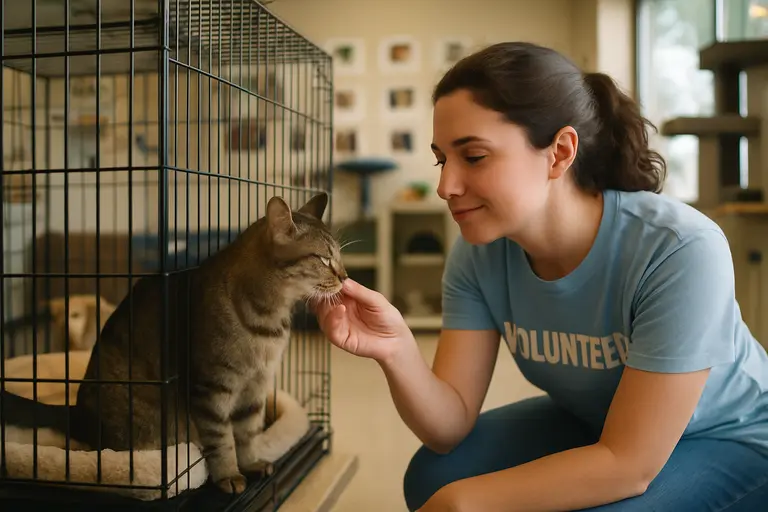
One of the most meaningful findings for rescue advocates is that growth appears to be shaped by new adopters and changing household preferences, not only by general population growth. GlobalPETS reported that the increase in dog-owning households from 2024 to 2025 included an estimated 2.6 million new adopters, compared with about 0.5 million households added through general household growth ownership shift analysis. That suggests outreach matters.
New adopters often need practical support more than persuasion. They may need help choosing between a puppy and an adult dog, understanding litter box setup for a cat, planning introductions with resident pets, or building a realistic monthly budget. None of that requires shaming. It requires patient education and clear expectations.
Rescues can use these trends to meet people where they are. Short adoption counseling sessions, simple cost checklists, foster family Q&A events, and follow-up messages after adoption can all help families feel less alone. For readers who want a related data-based view, our adoption-minded ownership breakdown connects similar spending and planning themes with rescue-first choices.
How Community Members Can Help
Not everyone can adopt right now, and that is okay. Responsible restraint can be an act of care. If your home, lease, schedule, or budget is not ready, there are still ways to help animals and the people caring for them.
- Foster if your home is ready: Temporary care can help shelters learn more about an animal’s home behavior, but only accept placements that fit your household.
- Donate practical supplies: Ask local rescues what they actually need before buying items.
- Share adoptable pets respectfully: Use accurate shelter descriptions and avoid dramatic language that can mislead families.
- Support new adopters: Offer encouragement, pet-sitting help if appropriate, or a ride to a supply pickup.
Community care is often quiet. It looks like a bag of cat food dropped at a pantry, a foster caregiver getting a break, or a first-time adopter hearing, “You can ask questions here.”
APPA Pet Report For Rescue-Minded Families
The APPA Pet Report gives us more than industry figures. It gives us a mirror. We can see the joy of rising pet ownership, the pressure of higher costs, and the need for adoption support that respects both animals and people. If 2025 showed us anything, it is that love for pets remains strong, but love needs structure to last.
For rescue-minded families, the next step is simple and thoughtful: plan before adopting, choose the pet whose needs you can meet, keep essentials protected in the budget, and consult a licensed veterinarian for health questions. For neighbors, volunteers, and local businesses, the call is just as clear: support shelters with useful help, not assumptions. Data can guide us, but compassion is what turns numbers into safer homes.