
As of September 4, 2026, Clear The Shelters has finished its August adoption push, but the giving window remains open through September 15. That timing matters. The campaign is not just a feel-good adoption weekend; it is a national call for people to make thoughtful, lasting choices for animals and the shelters caring for them. For adopters, donors, foster caregivers, and volunteers, the best help starts with honesty about time, budget, housing, and the needs of the pet in front of you.
What Clear The Shelters Achieved In 2026
Clear The Shelters Dates And Results
NBCUniversal Local describes the campaign as its annual pet adoption and donation effort, held each August to help homeless pets find permanent homes and raise funds for shelters and rescues. In 2026, the adoption period ran from August 1 through August 31, while the fundraising period runs from July 15 through September 15. Since the campaign began in 2015, it has facilitated more than 1.3 million pet adoptions and raised over US$5.6 million for shelters and rescues nationwide, according to the NBCUniversal Local announcement.
Those numbers are large, but each adoption still comes down to one animal, one household, and one promise. A senior cat who needs calm. A young dog who needs patient training. A rabbit whose housing must be safe before the carrier ride home. A national campaign can create attention, yet responsible pet ownership is built in the quieter days after the adoption photo: feeding, exercise, enrichment, licensing where required, routine veterinary care, and a plan for emergencies.
Why August Is Only Part Of The Work
The adoption period has already passed, so families should not treat the 2026 August dates as open events. If you missed them, call your local shelter directly and ask about its regular adoption process. That single phone call can prevent rushed choices. Ask which animals may fit your household, what information the shelter needs, and whether every adult in the home should visit before a match is made.
Hill’s Pet Nutrition returned in 2026 as presenting sponsor, and the campaign included adoption kits with starter bags, coupons, and supplies for participating shelters, as reported by NBCUniversal Local. Starter supplies can help a new family begin, but they are not a full care plan. Food transitions, introductions to resident pets, and health questions should be discussed with the shelter and, for medical concerns, a licensed veterinarian.
Responsible Adoption Through Clear The Shelters
Adoption Is A Promise, Not A Promotion
Reduced or waived fees can remove a barrier, but they should never replace preparation. Fairfax County Animal Services, for example, waived adoption fees for all pets from August 21 through August 23, 2026, and offered a US$250 care credit for dogs or cats age 6 or older during that event period, according to the county’s Clear the Shelters event page. That was a local promotion with specific dates, not a universal rule for every shelter.
A fee waiver can be generous and meaningful. It can also tempt people to move faster than they should. Before adopting, pause long enough to ask practical questions. Who will handle morning care? Can the pet be separated safely from resident animals during introductions? Is the landlord approval in writing? Is there a plan if the pet needs training support or routine veterinary care sooner than expected?
Good adoption counseling is not gatekeeping for the sake of power. It is a shared safety net. The shelter wants the animal to stay home, and the family deserves enough information to make a kind decision. If a shelter recommends a slower introduction, a quieter home, or a different pet, that advice may protect everyone involved.
A Thoughtful Match Protects Pets And People
Families often arrive with a picture in mind: a playful puppy, a lap cat, a jogging companion, a gentle older dog. Sometimes the right match looks different. A calm adult pet may fit a work schedule better than a youngster. A bonded pair may bring comfort to each other in a quiet home. A shy animal may need a family that finds joy in small steps, not instant affection.
That is where patience becomes advocacy. Ask staff what they have observed in the shelter setting, while remembering that behavior may change after decompression at home. Keep first days simple. Give the pet a quiet place, clear routines, and time. For health, diet, medication, pain, mobility, or behavior concerns that feel unsafe or unusual, consult a licensed veterinarian or a qualified professional recommended by the shelter.
Donate Foster And Volunteer With Care
If You Cannot Adopt, You Can Still Help
People who were not ready to adopt by August 31 still have meaningful ways to stand with rescue pets. Because the 2026 fundraising period runs through September 15, supporters can use the remaining time to give through the campaign’s donation channels or ask a local shelter what type of gift is most useful. Some groups may need funds; others may prefer supplies, transport help, laundry support, or foster homes. The respectful move is to ask first.
Fostering is especially powerful for people who can offer short-term care but cannot make a lifetime commitment. It may give a shelter more information about a pet’s home behavior and may give the animal a calmer place to rest. Foster care is still real care, though. It needs time, communication, and willingness to follow the shelter’s instructions. If you are new to fostering, start with the level of support you can truly sustain.
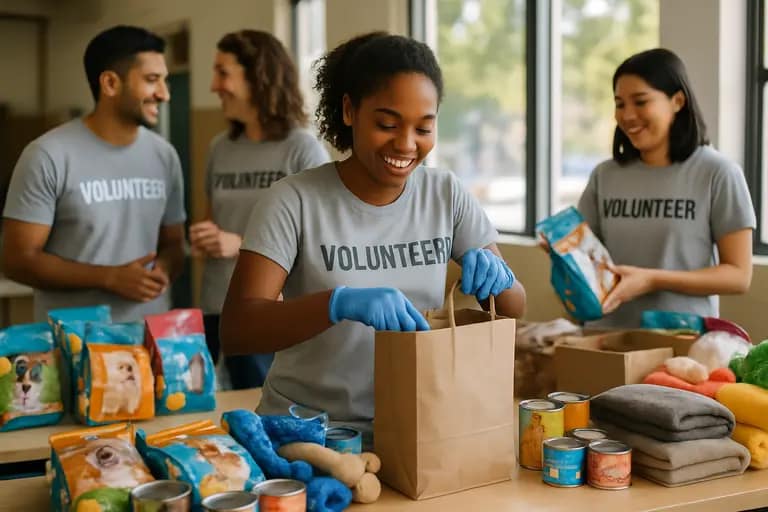
Volunteering can be just as valuable. Some volunteers walk dogs, socialize cats, clean kennels, photograph pets, help with adoption paperwork, or share approved posts from shelters. If you want a closer look at practical ways neighbors can help, our resource on volunteer and foster options breaks down common paths without treating adoption as the only measure of compassion.
Use Your Voice Without Adding Pressure
Awareness matters, but pressure can backfire. Sharing a pet’s profile should be done with care: use the shelter’s official details, avoid inventing a backstory, and do not promise that a pet will fit every home. A good post helps the right person ask the right questions. It does not shame people into a commitment they cannot keep.
Community support also means respecting shelter staff. They may be balancing calls, animal care, adoption counseling, foster coordination, and donor questions at the same time. Clear communication helps: include your availability, household basics if you are fostering or adopting, and the exact way you hope to help. Kindness to the people doing the daily work is part of kindness to animals.
- Adopt thoughtfully: Contact your local shelter about regular adoption steps after the August 2026 campaign period.
- Donate before September 15: Use official campaign or shelter channels, and ask what support is most useful.
- Foster honestly: Choose a placement that fits your time, space, and experience.
- Volunteer reliably: Offer specific hours or skills instead of a vague promise to help sometime.
- Share responsibly: Use official shelter information and avoid emotional pressure tactics.
Clear The Shelters Community Action
Make The Help Last Beyond A Campaign Month
The most hopeful part of a national campaign is not the size of the headline. It is the way neighbors begin to see local shelters as community partners, not places that only need attention once a year. A donation in September can help. A foster application in October can help. A patient adoption in November can help. So can teaching children to greet pets respectfully, checking microchip information after a move, and planning for pet care before a household crisis hits.
Rescue work is built from many small, steady acts. Some people adopt. Some give. Some clean, drive, photograph, share, foster, or simply ask a shelter what would make the week easier. If your household is ready for a pet, choose with care. If it is not, choose another form of help with the same sincerity. That is how a campaign becomes more than a date on the calendar. It becomes a community habit of showing up for animals, and for the people working to keep them safe.