
Clear The Shelters is not just a feel-good adoption push; it is a national reminder that shelter pets need prepared homes, steady foster support, and neighbors willing to help after the happy photo. The 12th annual campaign ran from August 1 to August 31, 2026, while its donation drive runs from July 15 to September 15, 2026, according to the NBCUniversal announcement. As of August 22, 2026, families still had time to connect with participating shelters before the adoption campaign period ended on August 31.
As Caden Locke, I love adoption campaigns most when they do two things at once: open doors for animals and slow humans down long enough to make kind, durable choices. A crowded adoption day can be joyful, but the best outcome is not the fastest signature. It is the dog who lands with someone ready for walks, training, and vet care. It is the cat who gets a quiet introduction room instead of chaos. It is the foster family that buys a shelter two more weeks to find the right match.
What Clear The Shelters Means For Adoption
Clear The Shelters By The Numbers
Since Clear The Shelters launched in 2015, the campaign has helped over 1.3 million pets get adopted and has raised more than $5.6 million in donations, according to the same NBCUniversal campaign update. Those figures matter because they show both sides of rescue work: adoption placement and financial support for the groups doing the daily care.
Still, big numbers can flatten the story if we let them. One adoption is a household making space, a shelter worker answering honest questions, and often a volunteer helping the animal show who they are outside a kennel. Donations are not abstract either. They help shelters and rescues keep serving animals while adopters are still deciding, applying, and preparing.
Why Adoption Rates Need Responsible Follow-Through
A campaign can introduce thousands of people to adoptable pets. The human work starts before the meet-and-greet and continues after the ride home. Responsible adoption means asking practical questions: Can I afford routine care? Do I have time for daily enrichment? Is my housing stable enough for this animal? If the pet has medical or behavior needs, have I spoken with qualified professionals, including a licensed veterinarian where health is involved?
This is where community culture matters. A healthy adoption effort does not shame people who are not ready. It gives them other ways to help. Some neighbors can adopt now. Some can foster for a weekend or a month. Some can transport supplies, donate, share verified shelter posts, or help a friend prepare for their first pet. All of that support keeps the door open for animals without pushing families into rushed decisions.
How Communities Can Support Better Matches
Adopters Should Prepare Before The Visit
The most compassionate adopter is not always the person who arrives first. It is the person who arrives honest. A family with toddlers, seniors, apartment rules, long workdays, or existing pets should tell the shelter what home life actually looks like. That information helps staff and volunteers suggest animals who may fit better. For readers preparing during the August 2026 campaign window, our adoption month planning tips can help turn excitement into a calmer checklist.
Adopters can also plan the first week before choosing a pet. A quiet room, food and water bowls, safe confinement options, appropriate toys, identification, and a plan for veterinary follow-up all reduce avoidable stress. For dogs, a decompression period with simple routines may be more useful than a packed schedule of visitors. For cats, a small starter space can help them adjust before they explore the whole home. If there are health concerns, behavior worries, or diet questions, the safest next step is to consult a licensed veterinarian or a qualified animal behavior professional rather than guessing.
Fosters Make Adoption Events Stronger
Fostering is one of my favorite ways for ordinary people to become part of rescue. A foster home can give shelters practical information that is hard to see in a kennel: whether a dog settles after a walk, how a cat responds to a quiet routine, or what kind of household rhythm helps an animal relax. That information can guide better adoption conversations.
Not every foster commitment needs to be long. Some organizations use short-term foster help around large adoption efforts, while others need longer stays for animals who need more time away from the shelter. The exact rules vary by organization, so the right first step is to ask a local shelter or rescue what support they need and what training they provide.
- Adopt with a plan: Bring questions about schedule, expenses, introductions, and long-term care.
- Foster if adoption is not possible: A temporary home can still move an animal closer to placement.
- Donate directly to participating groups: Money, supplies, and volunteer hours can support care before and after adoption day.
- Share verified shelter posts: Use official shelter pages so adopters get accurate details.
Local Wins Show The Campaign’s Reach
Maricopa County’s 2025 Adoption Day
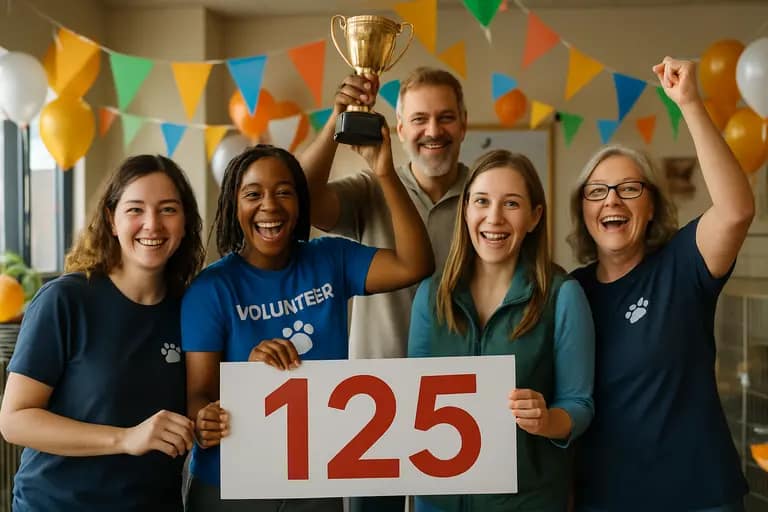
National campaigns become real in local shelter buildings. In Arizona, Maricopa County Animal Care & Control reported a record-breaking single day during the 2025 campaign, with 202 adoptions across three locations as part of a $0 adoption day, according to the agency’s 2025 annual report. That kind of day depends on more than open kennels. It takes staff coordination, volunteer effort, community attention, and adopters ready to take responsibility beyond the first afternoon.
Fee-sponsored events can remove one barrier, but they should never remove the expectation of care. A free adoption is not a free pet. Food, litter, training support, grooming where needed, identification, safe containment, and veterinary care remain part of the commitment. The best shelters keep that conversation front and center without dampening the joy of adoption.
Why Local Stories Matter
A national total can inspire people. A local success can move them to act. When residents hear that pets in their own county found homes during a campaign day, the shelter stops feeling like a distant institution. It becomes part of the neighborhood’s shared responsibility.
That sense of shared responsibility is powerful. A person may visit expecting to adopt one animal and leave knowing three other ways to help. A business may sponsor fees or supplies. A retiree may become a weekday dog walker. A family may try fostering before adoption. Campaigns work best when they create those long-term relationships, not just a spike in foot traffic.
Clear The Shelters Campaign Impact
Measuring Success With Care
The best measure of Clear The Shelters is not only how many animals leave shelters during August. It is how many leave with support behind them. Adoption campaigns should be celebrated, yes, but they should also be treated as a starting line for care, patience, and community follow-up.
A campaign such as Clear The Shelters gives rescue groups a louder microphone. What communities say through that microphone matters. The message should be hopeful and honest: adopt if you are ready, foster if you can, donate if you are able, and keep learning even after the adoption papers are signed.
For anyone inspired by the August 2026 effort, the next step is close to home. Contact a participating shelter or rescue. Ask what they need most after the campaign rush. Maybe it is adopters for overlooked pets. Maybe it is cat fosters, dog walkers, transport help, or donations during the campaign’s fundraising period through September 15, 2026. Rescue is built by people who keep showing up, and every prepared home makes the next adoption possible.