
Adopting a cat in the 2020s is like trying to get a secret clearance. But instead of security checks, you face hairballs and unclear paperwork.
My own journey was a mix of missed chances and confusing rescue rules. It showed how good plans can sometimes block the way more than they open it. This isn’t just cute animal stories.
It’s a deep look into the world of breed-specific rescue. We’re going beyond the usual “kitty in need” story.
What’s it like to care for a Maine Coon with its big mane or a Sphynx with its special needs? It takes special knowledge, lots of love, and some smart thinking.
This journey isn’t just mine. It shows a system trying to keep up with too many requests. Every application is checked like it’s a Senate hearing.
But there’s a special part to this. Saving a certain type of pet is its own challenge.
We’ll share real stories to understand the hidden rules and challenges. It’s both a heartwarming tale and a commentary on getting pets today.
Are you ready to see beyond the cute faces and understand the process?
Maine Coon Foster Stories: Large Breed Special Space and Grooming Needs
My journey into specialized cat fostering started with a credit card purchase. After facing adoption hurdles, I bought a Maine Coon kitten. This bold move showed me fostering a Maine Coon is not just bigger cat care. It’s a whole different ball game.
It’s like renting to a big, fluffy tenant. They need lots of space and fancy grooming. Your cat tree is just a small part of their world.
Maine Coons are big and active, needing lots of room to climb. They need tall structures, wide perches, and clear paths. Without this, they might take over your living room. Think of it as their way of giving feedback.
Their fur is a big job. It’s not just brushing; it’s a deep detangling process. You’ll need different tools for different parts of their coat. This daily grooming is as important as your morning coffee.
Rescue groups like Aloha Animal Oasis work hard to help many cats. But fostering a Maine Coon is like being a dedicated zookeeper. You’ll need to give them lots of care and attention.
| Requirement Category | Maine Coon | Standard Domestic Cat | Key Consideration |
|---|---|---|---|
| Minimum Vertical Space | 6+ ft. cat tree, multiple high perches | 3-4 ft. cat tree sufficient | Prevents boredom and supports natural climbing instincts. |
| Grooming Frequency | Daily brushing, weekly thorough comb-through | 1-2 times per week | Prevents painful matting, specially under the arms and belly. |
| Essential Grooming Tools | Undercoat rake, slicker brush, dematting comb, grooming wipes | Slicker brush, basic comb | Quality tools save time and reduce stress for you and the cat. |
| Average Monthly Upkeep Cost* | $75 – $150 (food, litter, grooming supplies) | $40 – $80 | Bigger cats eat more, use more litter, and need more grooming tools. |
*Costs are estimates and can vary based on brand choices and health needs.
Is it worth it? Yes. The reward is a gentle giant with a deep loyalty. But, you need a plan for specialized cat fostering. My complete guide to fostering shelter pets can help. Just remember to double the space and triple the brush time.
In the end, my breeder deposit taught me a lesson. It showed me the difference between wanting to help and having the right resources. Fostering a Maine Coon is about giving them space and grooming. They bring the personality and enough fur to knit a second cat.
Persian Cat Rescue Experiences: Flat-Face Breed Health and Daily Care Requirements
Welcoming a Persian cat into your home is a big responsibility. It’s like having a constant medical case on your hands. Imagine caring for a cat with a face that’s prone to problems. It’s more than just pet care; it’s a full-time job.
The Persian’s face is beautiful but comes with health issues. Their eyes often overflow with tears, needing daily cleaning. Their nose and sinuses can cause breathing problems, making you act like a doctor.
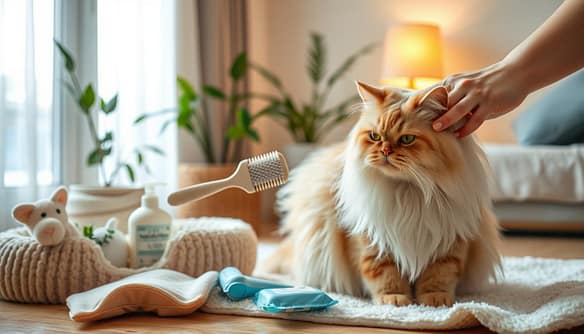
Rescuing a Persian cat is a real eye-opener. It’s not just about saving a cat; it’s about dealing with the effects of selective breeding. You’ll need to clean their eyes gently, watch for breathing issues, and keep their space clean and quiet. It’s a big change from the easy-going idea of owning a cat.
Is saving a Persian a sign of love or a criticism of breeding practices? It’s both. Caring for these cats teaches you a lot about compassion. You help them despite their physical challenges, enjoying their love and calm nature. This part of purebred cat rescue requires patience and understanding of the cat’s needs.
You act as a protector for these cats, helping them live comfortably despite their genetic makeup. The reward is great, but the work is clear: be a nurse, advocate, and student of cat health.
Siamese Foster Journeys: Vocal Breed Communication and Social Needs
Fostering a Siamese cat is like getting a live podcast. Your home becomes a stage for their non-stop commentary. Every action, from opening tuna to lounging on the sofa, gets a detailed report.
The adoption process is like their communication style. It’s exhaustive, persistent, and deeply relational. They’re not just meowing; they’re critiquing your choices and demanding attention.
For Siamese cats, talking is not just a feature; it’s their way of life. Your quiet time turns into a discussion. Your work hours become a live report. It’s hard to tell if you’re hosting a cat or a talk show.
This breed’s need for talk is rooted in their social nature. Left alone, they suffer. For them, loneliness is a system error. They need more than just food and safety; they need a partner.
Their checklist for happiness is unique:
- Constant Dialogue: They crave verbal interaction. Talk to them. Share your day. They’re gathering data.
- Intellectual Engagement: Puzzle toys and bird-watching are great. But your attention is the best reward.
- Physical Proximity: They’re not just lap cats. They’ll help you type, watch you cook, and join Zoom calls.
Ignoring a Siamese’s needs is like ignoring a rescue organization. They’ll make their displeasure known. They’re like a “read receipt” that yells.
The reward for this noise is a deep bond. You’re not just fostering a cat; you’re gaining a witty, loving roommate. The constant talk is worth the connection. For those who understand, the Siamese’s chatter turns chaos into harmony. The silence you might have wanted becomes something you miss the least.
Bengal Cat Foster Challenges: High-Energy Breed Exercise and Environmental Enrichment
My journey into Bengal fostering started with eleven tiny, rain-soaked paws. They were malnourished and shivering. Their survival was just the beginning.
The real challenge was managing their high energy. Once they were warm and fed, their energy was unstoppable. It was like a nuclear reactor.
Fostering a Bengal is like caring for a tiny, spotted CEO. They have a lot of energy. If not directed, they might damage your home.
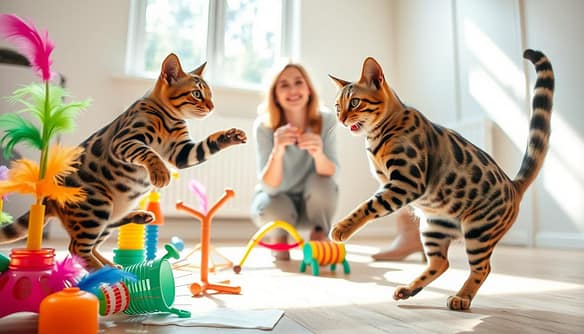
This is the heart of cat breed rehabilitation. It’s about turning their wild energy into healthy play. It’s not about stopping their nature, but giving them a place to play.
They need a lot to keep them busy. A simple scratching post won’t do. They need a jungle gym. Meals must be earned through puzzle feeders.
Interactive wand toys are daily appointments. Without these, they might play with your curtains or shelves.
A good environment is like a feline fitness center. It has vertical space and new objects to play with. This makes them strong and adoptable.
It’s like training for the feline Olympics. The line between fostering and training blurs. But the reward is clear. A well-enriched Bengal is happy and focused.
This is the lesson of Bengal rescue. It’s about proactive care. With the right environment, even the most energetic cats can live peacefully in your home.
Scottish Fold Rescue Stories: Ear Health Issues and Genetic Considerations
In the world of cat breed fostering, caring for a rescued Scottish Fold is a big job. Their cute, owl-like face comes from selective breeding. But, it’s based on a gene mutation that has big effects.
Their famous folded ears are just the start. The same issue affects their joints, leading to osteochondrodysplasia. This isn’t just about looks; it can cause arthritis and chronic pain. Fostering these cats means you’re a geneticist and pain manager.
Watching your cat closely is key. Look for signs like not wanting to jump or sitting stiffly. A small limp can mean a lot. Stories of cats with old injuries or abscesses show a pattern of joint weakness.
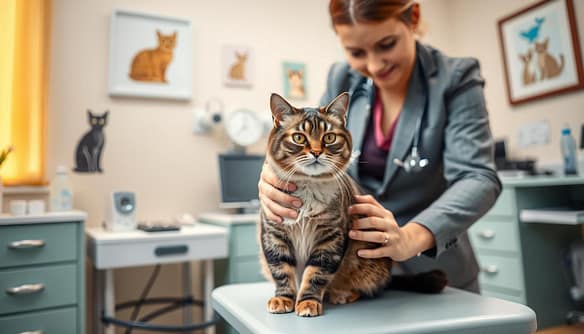
This raises tough questions about cat breed fostering. The folded ear is a trade-off for a genetic cost. Giving these cats a safe place is both kind and critical of breeding practices.
So, what does caring for these cats look like? It’s a detailed plan:
- Vet Partnership is Non-Negotiable: Regular vet visits are key. You might need imaging to check their joints.
- Environmental Engineering: Use ramps, orthopedic beds, and easy litter boxes. Your home becomes a therapy clinic.
- Pain Awareness: Know the signs of pain. Keeping your cat at a healthy weight is also important.
- The Adoption Conversation: Teach future owners about the breed’s health. This ensures they’re ready for the cat’s needs.
Cat breed fostering a Scottish Fold is complex and caring. It’s rescue work that also looks at science and ethics. You’re giving love and care, and learning about biology and ethics. It’s a challenging but rewarding part of being a foster caregiver.
Sphynx Cat Foster Experiences: Hairless Breed Temperature and Skin Care Needs
Fostering a Sphynx is like running a tiny spa. You’re a dermatologist, climate engineer, and chef all in one. They always need to be warm, like a drenched kitten.
Your home must be a warm, safe space. They need heated beds and sunscreen every week. It’s not just about shelter; it’s a feline wellness resort.
They have high metabolism, so their diet needs to be special. Mealtime becomes a science project. This level of care requires a special environment.
Think of soundproofed rooms with precise temperature control. A successful bath every few weeks is a big win. You learn to read their skin for any signs of trouble.
This shows us that Sphynx care is all about detail. It’s not just love; it’s careful, almost clinical care. You’re not just saving a cat; you’re starting a project that challenges all cat-care norms.
The reward is a hairless, affectionate cat. They show us that sometimes, the most vulnerable need the most advanced care.