
The journey from crisis to a stable home for animals displaced by natural disasters is a structured, multi-phase operation. It moves beyond anecdotal stories to a systematic process managed by professional networks.
Large-scale evacuations present immense logistical challenges for animal welfare organizations. The initial response focuses on swift rescue and immediate veterinary triage to address injuries and stress.
Subsequent phases involve structured sheltering and behavioral assessment. These steps are critical for preparing displaced animals for eventual transfer to adoption partners.
The ultimate measure of operational efficacy in this continuum is successful long-term placement. This article examines the coordinated protocols that turn rescue into a lasting positive outcome for both animals and families.
When Disasters Strike: intake, triage, reunification windows
Effective emergency management for pets involves three key steps: intake, triage, and reunification. These steps help turn chaos into a well-organized process. This is key to positive outcomes in disaster pet rescue stories.
The intake process starts with animals arriving at a safe place. This could be a pop-up shelter or an expanded vet facility. Each pet gets a unique ID number. Teams collect detailed info, like photos, descriptions, and where they were found.
Identifying pets is a big focus during intake. Staff look for collars, tags, and microchips. They also assess the pet’s stress and behavior. This creates a database that helps find owners.
Next, vets do a quick triage. They sort pets by injury severity and emotional state. A color system is used to categorize them quickly.
Red tags mean serious injuries needing immediate help. Yellow tags are for serious but not life-threatening issues. Green tags are for minor injuries. This ensures medical resources are used wisely.
Triage also considers emotional stress. Pets showing extreme shock or behavioral issues get special care. This approach helps them recover better.
The reunification window is very important. The best chance to find an owner is within 30 to 60 days after the disaster. Teams use all tools available during this time.
Microchip scanning is the most reliable method. Teams check chip numbers against national databases. For pets without chips, teams post photos and info online. This increases their visibility.
If reunification fails within the first window, plans for long-term care or adoption start. This is done with care for the pet’s well-being and the owner’s chance to reclaim them.
| Response Phase | Primary Objective | Key Tools & Protocols |
|---|---|---|
| Intake & Logging | Secure, identify, and create a record for each displaced animal. | Unique ID numbers, photo documentation, microchip scanners, behavioral checklists. |
| Veterinary Triage | Prioritize medical and psychological care based on urgency. | Color-coded tagging system (Red/Yellow/Green), physical exam, stress assessment. |
| Reunification Window | Locate and return animals to their original owners within a critical timeframe. | Microchip registry checks, centralized lost/found databases, social media cross-posting. |
These phases work together as a system. Good intake leads to better triage. Accurate triage data helps in reunification. Together, they are key to successful animal disaster response.
Understanding this process gives insight into the complex work behind disaster pet rescue stories. It shows that successful reunions come from careful, professional work under pressure.
3–4 Survivor Stories: from sheltering to adoption day
Looking at anonymous stories shows how animals go from shelters to homes. These tales are typical and show the steps from rescue to adoption. They highlight the medical and behavioral steps an animal takes.
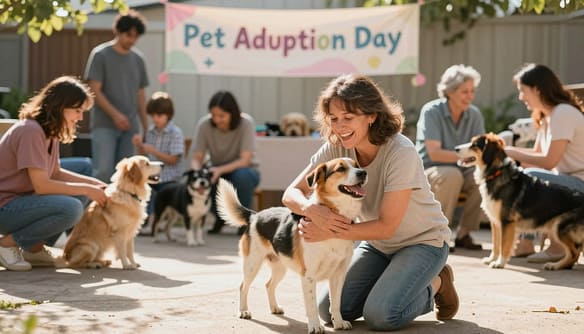
A dog was pulled from a flooded area after a hurricane. It first went to an emergency shelter. There, it got treatment for cuts and dehydration.
Then, it was checked for behavior. It showed anxiety and reacted to leashes. So, it went to a foster home to learn to trust again.
A case manager worked hard to find its owner for 30 days. When that failed, it was ready for adoption. After health checks and meetings, a family adopted it 45 days later.
Case Study B: Feline, Domestic Shorthair (“Luna”)
This cat was found alone after a wildfire. It had smoke inhalation and was taken to a vet. It was scanned for a microchip but had no owner.
It was moved to a quiet foster home to reduce stress. The foster cared for it and watched its behavior.
Three weeks later, its owner was found on social media. A reunification was set up. The cat went back home.
Case Study C: Canine, Senior Small Breed (“Buddy”)
This old dog was found lost and dehydrated. It got fluids and a health check. It had no big injuries but needed medicine.
It was scared of loud noises, common in survivors. It went to a foster home to get used to sounds. The foster used calm sounds and treats.
Because the owner couldn’t care for it, it was adopted. A retiree adopted it 60 days after it was rescued.
| Animal Profile | Intake Date | Critical Milestones to Adoption Readiness | Final Status |
|---|---|---|---|
| Mixed Breed Dog (“Max”) | October 15 | Medical clearance; Anxiety assessment; Foster decompression; Failed reunification window closure | Adopted by new family |
| Domestic Shorthair Cat (“Luna”) | August 22 | Treatment for smoke inhalation; Low-stress foster placement; Owner located via social media | Successful reunification with original owner |
| Senior Small Breed Dog (“Buddy”) | September 5 | Geriatric health management; Noise desensitization protocol; Special-needs adoption listing | Adopted by retiree |
These stories show how animals move from shelters to homes. They follow a clear path with key steps. The journey from shelter to home depends on these steps.
Trauma-Informed Care: decompression, noise desensitization, bonding rituals
Helping animals recover from trauma is a serious job. It needs a careful, science-backed plan. This field, called trauma-informed care, is essential. It helps pets adjust to new homes after disasters.
Three main steps are key: decompression, noise desensitization, and bonding rituals. These are the core of emergency fostering and sheltering today.
First, animals need a calm place to start. This quiet spot helps their nervous system calm down. It’s often needed for 72 hours or more.
During this time, animals get only basic care. The goal is to lower stress hormones and prevent more harm. This is very important in emergency fostering, where things change fast.
Noise Desensitization: Rewiring Fear Responses
Many pets after disasters fear certain sounds. Sounds like thunder or sirens can scare them. Desensitization helps by slowly getting them used to these sounds.
It starts with playing sounds softly while the pet does something fun, like eating. The sound gets louder a little at a time. This helps the pet’s brain learn not to fear these sounds.
Structured Bonding Rituals: Building Trust Through Predictability
Building trust takes time. Experts use special bonding rituals to help pets feel safe. These rituals are calm and predictable.
Some important rituals include:
- Scheduled, Quiet Interaction: Short, calm sessions at the same time each day.
- Hand-Feeding: Giving meals by hand to make the caregiver feel safe and caring.
- Choice-Based Engagement: Letting the pet choose when to interact, giving them control.
These steps are key for foster caregivers. They help turn a temporary emergency fostering into a chance for healing.
The Professional Standard for Adoption Stability
Trauma-informed care is what good rescue groups do. It helps pets stay in their new homes. Pets who get this care are less likely to be returned.
Investing in these methods means a pet is ready for a new family. It’s a way to ensure a pet’s emotional readiness for a new home. This approach is at the heart of emergency fostering and disaster response.
The Power of Emergency Fosters and Pop‑Up Shelters
Emergency fostering programs and pop-up shelters are key in animal disaster response. They offer a flexible and efficient way to help animals in need. This is different from the usual shelters that get too full.
Emergency foster networks play a big role in freeing up space. When disasters happen, shelters quickly fill up. Foster homes then take in more animals, keeping the intake going.
Home-based care is great for animals. It gives them a quiet place to recover from trauma. They get personal care, which helps them bond and feel better faster.
Pop-up shelters are also important. They are set up quickly in disaster areas. They provide a place for animals to be held and triaged right away.
These shelters are well-organized. They use tents or portable buildings and have a team ready to help. They also have everything they need, like food and medicine, ready to go.
Working with disaster teams is important. Pop-up shelters follow the Incident Command System. This helps them work with human rescue efforts and get the resources they need.
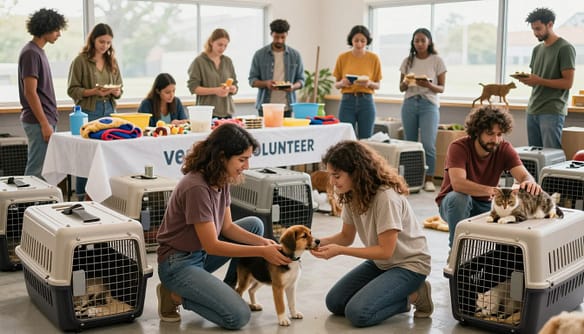
| Aspect | Emergency Foster Networks | Pop-Up Shelters |
|---|---|---|
| Core Function | Provide long-term, home-based temporary care and rehabilitation. | Offer immediate, short-term intake, triage, and holding at the disaster site. |
| Primary Advantage | Reduces permanent shelter overcrowding and enables deep behavioral recovery. | Establishes a local presence quickly, preventing animals from being transported far from the disaster zone. |
| Operational Challenge | Requires a large, pre-screened database of willing foster caregivers. | Demands rapid logistics for equipment, supplies, and trained personnel deployment. |
| Integration Point | Coordinates with shelter case managers for animal placement and veterinary records. | Reports directly to the Logistics Section within the official Incident Command System. |
Emergency fostering and pop-up shelters are flexible and efficient. They can grow or shrink as needed. This flexibility is key for animal rescue in emergencies.
Prepare and Prevent: go‑bags, microchips, evacuation planning
Being ready for disasters means having the right kits, digital tags, and plans. This helps reduce the need for emergency services. It also helps pets get the help they need quickly during hurricane animal rescue or wildfire evacuations. Here’s how to get ready before a disaster hits.
A pet disaster prep kit, or go-bag, is key. It should be easy to carry, waterproof, and in a spot you can get to fast. It needs enough food, water, and medicine for 72 to 96 hours. Make sure to check and update these supplies every six months.
Using a comprehensive pet emergency kit checklist helps you not forget anything. A good kit has food, medicine, ways to keep clean, and things to make your pet comfortable.
Microchipping your pet is a must in disaster areas. Collars and tags can break or fall off. But a microchip stays with your pet forever. Make sure to update your contact info with the chip registry after any changes.
Having a plan for evacuating with your pet is important. Know several ways to leave and where to go. Practice loading your pet’s carrier and moving the disaster prep kits to help them get used to it. For wildfire evacuations, have carriers ready by the door. For hurricanes, leave early to avoid hurricane animal rescue teams being overwhelmed.
| Category | Item | Primary Purpose | Critical Notes |
|---|---|---|---|
| Food & Water | 3-4 day supply of dry/wet food, portable bowls, gallon of water | Sustain basic hydration and nutrition | Use airtight containers. Include a manual can opener if needed. |
| Medical & Documents | Two-week medication supply, vaccination records, pet first-aid kit | Manage health and verify ownership/vaccination status | Keep documents in a waterproof bag. Note dosage schedules. |
| Comfort & Safety | Secure carrier or crate, familiar blanket, extra leash, harness | Provide secure transport and reduce animal anxiety | Carrier should be large enough for pet to stand and turn. |
| Sanitation & Tools | Litter box & litter (cats), poop bags (dogs), disinfectant wipes, flashlight | Maintain hygiene and functionality in temporary shelters | Prevents disease spread in confined group settings. |
Putting together a kit, microchip, and evacuation plan makes you ready for disasters. This helps you and your community. It also makes it easier for shelters and non-profits to help. When we all prepare, we can face and recover from disasters better.
How to Join Local Animal Response Teams and Donation Drives
To help animals in disasters, we need two main things. First, we need trained people in official teams. Second, we need donations to support their work.
Joining an Animal Response Team (ART) or State Animal Response Team (SART) is a great way to help. These teams work with the government to respond quickly and effectively. They use the Incident Command System (ICS) to coordinate efforts.
To volunteer, you must first get some basic training. This training is usually from the Federal Emergency Management Agency (FEMA). It helps everyone know how to respond in disasters.
| FEMA Course Code | Course Title | Primary Focus | Typical Requirement |
|---|---|---|---|
| IS-100.c | Introduction to the Incident Command System | ICS structure and terminology | Mandatory |
| IS-700.b | An Introduction to the National Incident Management System (NIMS) | National response framework | Mandatory |
| IS-10.a | Animals in Disasters: Awareness and Preparedness | Animal-specific planning | Highly Recommended |
| IS-11.a | Animals in Disasters: Community Planning | Developing local animal response plans | For leadership roles |
After taking online courses, you need to join a local team. Contact your county emergency management or state veterinarian’s office. Many teams also work with humane societies or vet associations for training.
Donation drives are also key. They help provide the things needed to care for animals and support volunteers.
Good drives focus on specific, needed items. Things like durable, sterile supplies are most helpful. They support animal care and keep volunteers safe.
- Medical Supplies: Non-expired vet-grade bandages, gauze, antiseptic wipes, and gloves.
- Nutrition: Unopened dry pet food and wet food for sensitive stomachs.
- Housing & Transport: New or used crates, exercise pens, and slip leashes.
- Operational Gear: Batteries, headlamps, water, and tarps for shelters.
Good drives need a solid plan. They should have one place to collect items and clear dates. They also need a place to store and distribute items, like a SART or shelter network.
This approach is great for businesses to give back. They can sponsor drives, offer space, or help with logistics. Civic groups can also make a big difference by helping in these ways.
Verified Funds and Orgs to Support
Donations work best when given to clear, accountable groups focused on animal disaster relief. For those giving, checking the group’s work is key. This guide lists top national and local groups known for their disaster work and animal care.
These groups are chosen for being open, financially sound, and effective in the field. Working with them means your help goes straight to saving animals. This includes care, shelter, and finding new homes.
Here are some top names in the field. They all show they care about money and their mission.
- ASPCA National Disaster Response Team
The American Society for the Prevention of Cruelty to Animals has a team ready for disasters. They rescue animals, give vet care, and distribute supplies. They get high marks from Charity Navigator for being financially strong and responsible. - American Humane Rescue Team
With over 100 years of experience, American Humane leads in disaster animal help. They move animals to safety and set up shelters. They share their financial details openly, showing they’re transparent. - Best Friends Animal Society Disaster Response
Best Friends helps local shelters during disasters. They move animals to safe places, helping overwhelmed shelters. They share how they’ve helped in big disasters, showing their impact. - International Fund for Animal Welfare (IFAW) Disaster Response
IFAW helps with both local and global disasters. They rescue animals and help communities prepare for disasters. They get checked by independent auditors, making sure donations are used right.
Local groups are key for quick, local help. Places like Austin Pets Alive! Emergency Response are great examples. They work with national groups but know their community well.
It’s smart to check groups yourself. Use Charity Navigator, GuideStar, and the Better Business Bureau’s Wise Giving Alliance. They check if groups are financially sound and report well.
Good giving means strong disaster help. By supporting verified groups, you help animals in need. Your kindness can really make a difference.
Conclusion: Hope After Hardship
The path from disaster survivor to loved family member is complex. It shows the power of structured systems over luck. Key steps include intake, trauma care, and community support.
These steps turn crisis into calm. The Pet Adoption Successes show the value of teamwork. They prove that careful planning and care make a difference in animal lives.
Keeping hope alive for animals in trouble needs a steady approach. It calls for teamwork between groups, vets, and communities. Supporting shelters is also key. For example, the ACE program at Virginia-Maryland College of shows how to get pets ready for new homes.
Building a strong future means combining knowledge, resources, and community involvement. Each success story highlights the system’s importance. It shows that with a well-coordinated effort, even hardship can lead to Pet Adoption Successes.