
In today’s world of viral puppy videos, what happens to pets that don’t get the spotlight?
Animal shelters have a secret list. It’s not a sad story, but a puzzle. These pets, mostly seniors, stay longer because of biases.
Things like breed, age, or a small health issue can lead to being overlooked. But, kindness always finds a way to change this.
Take Steve Greig, for example. He adopted senior and long-stay dogs after losing his own. His story shows us that Pet Adoption Successes are possible.
Let’s look into why these pets are overlooked. And how they can beat the odds and find happiness.
The Challenges: stigma, behavior notes, medical flags, breed biases
Why do great dogs and cats end up in shelters? It’s because of four big obstacles we create. These obstacles are not about the pets themselves but about the barriers we put up. Let’s look at each one closely.
The first obstacle is the stigma of the shelter itself. People think a long stay means there’s something wrong with the pet. It’s like the clearance rack logic applied to living beings. If no one wants them, there must be a reason, creating a cycle of neglect for overlooked dogs and cats.
Then, there’s the behavior note. Meant to help, these notes can harm without context. “Needs a quiet home” might mean the pet is scared of loud noises. “Would do best as an only pet” could mean they don’t get along with others. These notes can turn into fear, hiding a pet’s true nature.
The next challenge is the medical flag. A small health issue can seem like a big problem. Adopters might worry about the cost, forgetting that a small pill can make a big difference. This fear can stop them from seeing the pet’s true value.
The last challenge is breed bias. Our fears and anxieties are often projected onto pets. A certain look or mix can make us think of aggression or too much energy. We judge pets based on how they look, not who they are.
These four challenges create a perfect storm for pets. A pet with a note, a small health issue, and a misunderstood background has a tough time finding a home. They are seen as hard-to-adopt pets because of the stories we tell about them, not because of who they are.
This part is like a diagnosis. It’s a look at how we sort animals into “desirable” and “overlooked.” The good news is that understanding the problem is the first step to fixing it. The solution isn’t changing the pets. It’s changing how we see them.
Turnaround Strategies: foster field trips, enrichment, decompression rooms, photo/video revamps
Forget waiting for the perfect adopter. It’s time to create the perfect adoption scenario with smart tactics. The longest-stay pets aren’t broken; they’re just misunderstood. Our mission is to change that.
Start with foster field trips. These aren’t just walks. They’re missions to gather vital information. We want to see how pets act in different settings. This helps us tell their unique stories.
Next, we look at enrichment for shelter animals in a new light. It’s not just about keeping them busy. It’s about showing off their skills. Puzzle toys and snuffle mats reveal their intelligence and focus.
Then, there’s the decompression room. It’s a place for pets to relax from the stress of the shelter. Here, they can show their true selves without the anxiety of strangers.
Lastly, we revamp photos and videos. This is the ultimate adoption makeover. Good lighting and a catchy soundtrack can make all the difference. It’s all about showing pets in their best light.
These strategies change the way we see pets. They turn them from problems to personalities. They give adopters the social proof and emotional connection they need. A successful trauma-informed home setup often starts with these insights.
| Traditional Shelter View | Strategic Hack | The Core Shift |
|---|---|---|
| Foster outing as a “break” for the pet. | Foster field trip as behavioral intelligence mission. | From respite to data collection. Gathers unique, home-style insights for marketing. |
| Enrichment as time-filling activity. | Enrichment as personality development & showcase. | From busywork to talent reveal. Creates demonstrable stories of intelligence and temperament. |
| Quiet room for “difficult” animals. | Decompression room as essential stress reset for all. | From punishment to wellness. Allows true personality to emerge, free from shelter anxiety. |
| Photos as simple documentation. | Photo/Video revamp as primary marketing makeover. | From admin task to core adoption driver. Uses visual storytelling to create immediate emotional connection. |
These tactics don’t need a big budget. They need a mindset shift. Every interaction and photo is part of a campaign to change the adoption game.
4–6 Mini-Profiles: before/after, adopter quotes, first 30 days at home
The shelter’s “lost cause” file is actually full of misunderstood heroes. They wait for their big moment. These are the Pet Adoption Successes that turn doubts into love stories.

-
Milo, The “Overlooked” Senior
Before: A 9-year-old terrier mix in the “senior/special needs” file. Notes said he was low energy and liked quiet. People thought he was boring.
After: Sarah, a writer, adopted him. She found out he loves belly rubs and watching her work. He’s a great coworker.
First 30 Days: At first, he was quiet. Then, he started napping in a sunbeam. His first bark at the mailman was celebrated. It showed he was reliable and wonderful. -
Luna, The “Shady” Past
Before: A black cat with FIV+ and a shy nature. Her kennel was a blanket fortress.
After: Ben, a teacher, adopted her. He found out she was worth earning trust. She runs the house now.
First 30 Days: She hid under the bed at first. But then, she started to come out. She even purred at 3 AM after finding catnip-stuffed bananas. -
Bruno, The “Too Big” Dog
Before: A 90-pound mastiff mix. Notes said he was strong and needed an experienced handler. He was seen as a long-term resident.
After: The Martinez family adopted him. They found out he was a big softie. Their toddler uses him as a pillow.
First 30 Days: He slept a lot at first. But then, he started to play. He even knocked over a patio chair, which everyone cheered for. He has his own spot on the sofa now. -
Piper, The “Nervous” Barker
Before: A small dog with many red flags. She barked at men and was anxious. Her video showed her frantic behavior.
After: James, who works from home, adopted her. He found out her barking was a sign of her eagerness to communicate. She loves to remind him of dinner time and adores his brother.
First 30 Days: She barked a lot at first. But a routine and a safe bed helped. Now, she’s more relaxed and loves her favorite toy.
Looking at these Pet Adoption Successes, we see a pattern. The shelter’s words often hide a deeper truth.
“Shy” can mean “selectively affectionate.” “Needs patience” often means “will reward your consistency with loyalty.” The first 30 days are about getting to know each other, not just a trial.
The adopter quotes are key. They show that the shelter’s first impressions were wrong. These pets showed their true selves after they left the shelter. It’s not magic; it’s love and removing stress.
The Human Network: volunteers, trainers, photographers, social amplifiers
The most effective shelter marketing isn’t a glossy brochure. It’s a decentralized, organic network of passionate humans. Each plays a specific role in a grassroots movement. Think of it as a stealth startup operating within the shelter walls.
No pet finds a home alone. An entire ensemble cast works behind the scenes. They are the unsung heroes who reframe narratives and capture hearts. Let’s meet the key players.
First, the volunteer specializing in “walk-and-talk.” This person doesn’t just exercise dogs. They become a canine biographer. During leisurely strolls, they narrate the animal’s personality into a voice memo. “Luna enjoys sunbeams and politely ignores squirrels.” These nuanced notes become gold for adoption profiles.
Next, the behavior trainer who operates as a linguistic alchemist. They reframe “leash reactive” as “an enthusiastic greeter with a personalized training plan.” This subtle shift in language is a masterclass in shelter marketing. It transforms a perceived liability into a manageable, even endearing, trait.
Then, there’s the guerrilla photographer. Armed with treats, squeaky toys, and endless patience, they hunt for the “sparkle shot.” They know a single image of a dog mid-joyful leap can dismantle weeks of stigma. Their camera is a powerful adoption tool.
Lastly, the social media amplifier. This narrative architect crafts the post that goes viral. They pair the photographer’s perfect image with the volunteer’s intimate details and the trainer’s positive framing. The result? A compelling story that cuts through the digital noise.
| Network Role | Core Superpower | Key Impact Metric |
|---|---|---|
| Walk-and-Talk Volunteer | Narrative Discovery | Quality of behavioral notes added to file |
| Behavior Trainer | Linguistic Reframing | Reduction in “hard-to-place” labels |
| Guerrilla Photographer | Sparkle Capture | Increase in profile clicks and shares |
| Social Amplifier | Story Distribution | Viral reach and adoption inquiries generated |
Together, this group functions as a hyper-efficient, organic marketing agency. They operate without a formal budget or a CMO. Their strategy is empathy. Their KPI is a life saved. This human network proves that authentic storytelling beats corporate messaging every time.
This is shelter marketing at its most brilliant and human. It’s a tribute to ingenuity. It’s a journalist covering a grassroots movement. Each player contributes a vital piece to the puzzle. The volunteer provides raw data. The trainer decodes it. The photographer visualizes it. The amplifier broadcasts it.
The system is beautifully decentralized. It’s resilient and adaptable. When one person sees a pet’s worth, the entire network mobilizes. They create a wave of attention that lifts a long-stay pet into a waiting home. This isn’t just volunteer work. It’s a quiet revolution in how we tell stories of hope.
How to Help a Long-Stay Pet Near You: checklist and conversation scripts
This is your guide to helping animals in local shelters. Feeling moved is the first step. Turning that feeling into action is where the magic happens. Let’s get started.
First, change how you think. Walking into a shelter is not just a casual visit. It’s a mission to find pets who need help and learn about them. Maybe you’ll find a new pet.
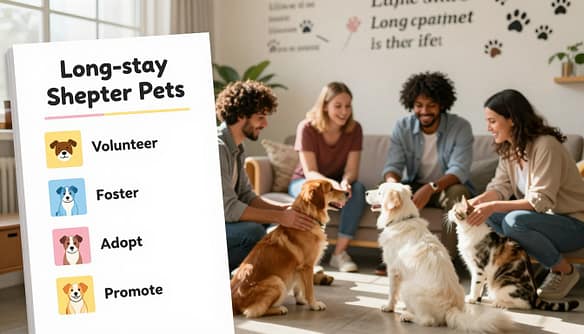
Don’t judge a pet by its looks. Look at its kennel card. That card is like a resume, and the “start date” is key.
- Check the Dates: The intake date is very important. Pets there for weeks or months need help. Look for codes like “VIP” or “Long-term resident.”
- Read Between the Lines: If the description is too generic, it’s a warning sign. Detailed notes about a pet’s quirks suggest someone cares.
- Observe Traffic: Notice which cages get attention. Pets in the corner are often overlooked.
- Listen to Volunteers: Pay attention to what volunteers say. Hearing a pet’s name often means they’re special.
Questions to Ask Staff: Framed for Success
Talking to staff is important. But how you ask matters more. Focus on the pet’s strengths and experiences, not weaknesses.
Ask about what’s great about the pet, not what’s wrong. This creates a positive story.
The Crown Jewel: Conversation Scripts
These scripts will make you sound like a pro. They help you get honest answers from staff.
Script 1: The Personality Probe (Asking About Behavior)
- You: “I’m really drawn to [Pet’s Name]. I saw they’ve been here a while. What do you notice they really enjoy?”
- Why it works: It’s positive and specific. It invites staff to share happy stories about the pet.
- Follow-up: “That’s great. To help them settle in a home, are there any situations they’re not comfortable in?” This gently asks about any issues without being negative.
Script 2: The Medical Intel Request (Without the Panic)
- You: “I’m committed to providing any needed care. Can you tell me about their current health in simple terms?”
- Why it works: You’re not asking if they’re sick. You’re asking about their care plan. This shows you’re responsible and want to help.
- Follow-up: “Is the shelter able to share vet records, or would the adopter start fresh with a new vet?” This is a practical question staff will appreciate.
| Scenario | Novice Approach | Savvy Script |
|---|---|---|
| Spotting a Long-Stayer | “Why hasn’t this one been adopted?” | “I see [Pet] arrived in [Month]. What have you learned about their personality?” |
| Asking About Personality | “Is it friendly?” | “What’s the best way to earn their trust? Do they initiate play or prefer to warm up slowly?” |
| Inquiring About Medical History | “Are they healthy?” | “Can you walk me through their daily care routine here?” |
| Discussing Adoption Process | “How much is the fee?” | “For a pet who’s been here a while, what does the adoption process look like? Are there any post-adoption support or training vouchers available?” |
With this checklist and scripts, you’re more than a visitor. You’re an advocate. You change the conversation from “What’s the problem?” to “What’s the chance?” This shift is powerful. It’s how you help long-stay shelter pets one question at a time.
Now, find your local shelter’s most overlooked pet. Your approach might be the key to their future.
Local Spotlight Box: finding long-stay lists at nearby shelters/rescues
Your mission is to find overlooked dogs and cats in your area. It’s not about just showing kindness. It’s about a detailed search to help those in need.
To rescue animals, you need the right tools. It’s like digging for hidden treasures. You must know where to look.
The Shelter Sleuth’s Toolkit
Start by exploring three main areas. Mastering these will help you see the needs clearly.
- The Shelter Website “Appendix”: Look beyond the homepage. Find sections like “Animals in Need” or “Longest Residents.” These pages show the true waiting list.
- Social Media Pattern Recognition: Follow local shelters online. Notice pets that keep getting posted. This means they’re not getting adopted.
- The Aggregator Filter: Use sites like Petfinder to find older or special needs pets. Set filters to show the longest listings.
Each method has its strengths and weaknesses. The table below helps you use them wisely.
| Search Method | Best For | Key Limitation | Sleuthing Tip |
|---|---|---|---|
| Official Shelter Website | Get the real list with detailed info. | Info might be old. Sites are hard to use. | Bookmark the “Longest Residents” page and check it every Sunday evening. |
| Shelter Social Media (FB/IG) | See pets’ personalities and updates. | Urgent cases might get lost. | Turn on post notifications for a specific rescue. Watch for recurring names or faces. |
| Petfinder/Adopt-a-Pet | Find many pets across different rescues. | Some small rescues aren’t listed. Humans manage listings, so errors can happen. | Use the “Special Needs” filter broadly—it often includes pets who are simply shy or need a quiet home. |
Once you find a pet, call the shelter. Ask about their personality and needs. This shows you’re serious about adopting.
Your goal is to connect a pet with a new home. Your efforts make a big difference. For more on this, read saving a pet from the shelter’s sad.
Begin tonight. Choose one method and spend 20 minutes. You’re not just looking at pets. You’re searching for those who need help the most. Finding and helping an overlooked animal is rewarding. It’s in the focused effort that says, “I see you.”
Resources & Next Steps: adoption counselors, training vouchers, fundraising links
Adopting a long-stay pet is a big step. It’s not just a decision; it’s a journey. You’ve got the heart for it. Now, let’s tackle the last practical hurdles.
Your first ally is the adoption counselor. They’re not there to block you. They’re your guide through the adoption process. They help you understand a pet’s behavior and match it with your lifestyle. Just ask for one at your local shelter. They’re there to help, not just for those with special pets.
Next, you get a training voucher. Groups like the ASPCA and Petco Love often give these out. It’s not for fixing problems. It’s for strengthening your bond. It’s an investment in your new life together.
If you can’t adopt but want to help, consider donating. Sites like Shelter Animals Count and The Petfinder Foundation let you support pets. Your $50 can help a dog go on a special outing or get a new photo. Your donation can make a real difference.
Now, the way forward for a hard-to-adopt pet is clear. You have a counselor, a voucher, and a way to donate. Use these tools, and you’ll not only get a pet. You’ll start a lasting legacy.
Conclusion: Make “overlooked” a thing of the past
So, what’s the secret to turning ‘overlooked’ into ‘overjoyed’? It’s not just about giving. It’s about making a smart change. We’ve looked at the data and understood the story behind it.
These pet adoption successes show how smart thinking and caring actions come together. The foster field trips, enrichment, and photo updates aren’t just nice stories. They’re smart moves that show off the hidden value of pets.
Think about the big picture of adopting from shelters. You’re not just getting a pet. You’re also helping a shelter make room for another animal. It’s a smart way to solve a big problem.
The best part is changing how we think. Instead of wondering what’s wrong with a pet, ask what we’re missing. Often, we find a loyal and thankful friend waiting to be noticed.
Our pet adoption successes change the story. They show that the best investments aren’t always new. Sometimes, they’re the hidden gems with amazing stories. Let’s make ‘overlooked’ a thing of the past.