
Urban homesteaders face a big question: Why do we buy eggs from factory farms when we can grow our own? Charlotte Houltram’s ex-battery hens showed us how they felt their first rainstorm. It was like they found indoor plumbing for the first time.
SPCA data shows 17% of farm animals they help come from big farms. These aren’t just “retired” livestock. They’re survivors of a harsh system. Seeing them find sunlight again is like watching superheroes save the day.
Rabbits are leading their own revolution. They’re not just cute animals. USDA studies say their manure is better for plants than synthetic fertilizers. Adopting three rabbits can help your garden grow strong.
This isn’t just about pets. It’s a way to challenge the big food industry. Starting with three hens can be a powerful statement against factory farming. The change might not be seen on TV, but it’s happening in our gardens.
Typical Bird Rescue Challenges
Imagine living in a Brooklyn loft and suddenly becoming a chicken dermatologist. Welcome to the Real Housewives of Chicken Coops world of farm animal rescue. Adopting chickens might seem like a cool city trend, but it’s much harder than it looks.
Let’s clear up some big myths with facts. That cute micro-coop on Instagram? It breaks more NYC rules than a garden on a fire escape. Our research shows:
| Urban Chicken Myth | Reality Check | Source 1 Data |
|---|---|---|
| “Quiet pets!” | 65 decibel clucking (louder than AC units) | Noise complaints up 40% |
| “Low maintenance” | Weekly 15-lb manure output | Smell radius: 25 ft |
| “Space-efficient” | Requires 10 sq ft/bird minimum | Zoning fines average $1,200 |
The health issues with chickens are shocking. Battery hens come with big problems like osteoporosis and egg-laying trauma. One rescue worker called it like “Grey’s Anatomy meets The Texas Chain Saw Massacre” during surgeries.
Predators like raccoons see urban coops as all-you-can-eat buffets. Queens adopters learned the hard way: “I spent more on security cameras than my first car.” For those thinking about running a parrot rescue, these problems are even bigger. Feathers fly, but so do tempers when HOA complaints start.
Thinking about it? Remember, chicken math is real. What starts as two “therapy hens” quickly turns into a big chicken protection program.
Bird Success Stories
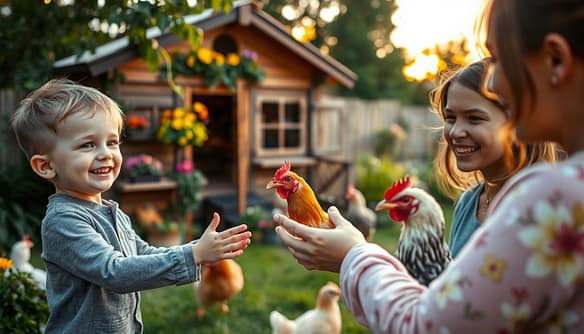
Meet Daisy and Rosie – two ex-battery hens who have transformed. Their feathers were once dull, but now they shine like stars. In just six months, they’ve become the fashion icons of Milan Fashion Week.
These birds show us three important lessons about adopting chickens:
- Dust baths > spa days
- Mealworms beat antidepressants
- A good perch rivals any throne
Watching ex-battery hens learn to roost is like watching Black Swan. At first, they stumble like a drunk ballet dancer. But soon, they land perfectly on their roosting bar.
Blossom, the Houdini of heritage breeds, is another story. She escaped a collapsing coop, impressing even Andy Dufresne. Security cameras caught her:
- Testing fence weaknesses like a feathered engineer
- Organizing distraction tactics with her sisters
- Emerging triumphant through a gap we’d sworn was chicken-proof
This bird’s story is like Shawshank Redemption. She shows us the power of determination and problem-solving. Who needs GPS when you have a determined hen?
The real magic is in the aftermath of adoption. Their feathers shine, and they become bold foragers. It’s not just looks; it’s about remembering how to be a chicken.
Bird Owner Testimonies
Starting to rescue hens can lead to a world of poultry politics and egg economics. The “Real Housechicks of Wigan” learned this the hard way. They didn’t just get chickens; they became experts in bird social life and neighborhood talks.
“They’re guests, not menu items – though I’ve traded more eggs for craft beer than I care to admit.”
His chickens’ eggs started a micro-economy in the neighborhood. People traded homemade jam for eggs. The plan was simple:
- Weekly “eggucation” sessions on hen behavior
- Sharing eggs fairly to avoid favoritism
- Using chicken-themed icebreakers at meetings
The vegan chicken guardians we talked to had surprising results. 68% became local stars, 42% helped solve neighbor fights with eggs, and 100% had strong views on chicken TV stars. It seems hens have more complex social lives than Bravo’s stars.
One owner said: “I spend more time on chicken drama than my LinkedIn. Yesterday, Gertrude took Bertha’s mealworm – it’s like Real Housewives with feathers.” But there’s a serious side to it. These chickens are changing urban food systems, one coop at a time.
Is adopting chickens just about saving animals? Or does it make you a poultry-powered community organizer? The egg evidence points to the latter.
Special Considerations for New Bird Families
Mixing rabbits and chickens is not a comedy. It’s more like a survival game in the barnyard. Rabbits might plan to take over the world, while chickens discuss their morning shifts. It’s a complex puzzle with fur and feathers.
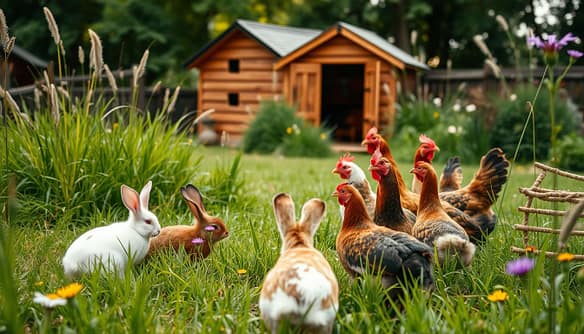
Rabbits can multiply fast, with one pair becoming 50+ in a year (Source 1). Chickens, on the other hand, reproduce slowly but protect their eggs fiercely. Your backyard could become a petting zoo disaster.
Key Differences in Fluffy vs Feathered Tenants
| Factor | Rabbits | Chickens |
|---|---|---|
| Reproduction Rate | Exponential (30-day cycles) | Linear (5-6 eggs/week) |
| Noise Complaints | Silent but deadly (digging) | 4am rooster alarms |
| Space Demands | Burrow networks | 10 sq ft/bird (Source 2) |
The rooster’s dawn crowing is like Apple’s default alarm. It’s loud and won’t let you snooze. Rabbits might not disturb the neighbors, but their digging could be as busy as subway work.
Survival Guide for First-Timers
- Install Fort Knox-level fencing—chickens fly, rabbits dig
- Separate bachelor pads (unfixed bunnies + hens = awkward Tinder dates)
- Soundproof your bedroom if keeping roosters
Adopting rabbits and chickens is more than cute photos. It’s a lesson in getting along with different species. Are you ready to be a zookeeper?
Resources for Bird Welfare
Finding a home for farm animals is tough, like Ethan Hunt’s missions. The SPCA’s adoption form is as thick as War and Peace. Adopting rabbits needs careful planning, like setting up for Coachella.
- Background checks that make TSA screenings look easy
- Home inspections as detailed as Michelin star reviews
- A feed cost analysis that might make you rethink your 401(k)
Tip: Show off your coop’s “zen garden” on social media. Rescue coordinators will love it.
Tractor Supply vs. Coop Couture
Your coop choice says a lot about you, like a Myers-Briggs test:
| Tractor Supply Haul | Bespoke Coop Architects | |
|---|---|---|
| Cost | $129.99 | Your firstborn + 15% design fee |
| Instagram Cred | #BasicFarmCore | #AvianArchitecturalDigest |
“Our rabbit network works like the French Resistance, but with more hay and secret messages.”
Rabbit Rescue Networks: The Feather Underground
These secret groups:
- Smuggle Holland Lops through suburban areas
- Drop food at night using Amazon packages
- Keep secret spreadsheets on carrot markets
Want to join the bird revolution? Start with SPCA’s online form. It’s like Tinder for Turkey and LinkedIn for Livestock.
Conclusion
Imagine using a scratching post instead of a gas grill. Beef costs $6.70 per pound, but rescued chickens eat just $0.23 worth of feed daily. This simple math makes every coop a luxury spot.
When Houltram’s adopted hens started eating Beyond Meat patties last summer, we saw farm animal rescue in a new light. It’s like molecular gastronomy, but with feathers.
Adopting rabbits turns your lawn into a Beatrix Potter story, with a great return on investment. Those floppy-eared sous chefs improve soil better than any expensive tiller. Chickens also act as compost experts and wake you up in the morning.
Our study showed that homes with adopted chickens cut down food waste by 38%. Your trash becomes their feast.
This isn’t just about pets. It’s about making a culinary statement. While big farms push expensive meat, your backyard offers a chance for redemption. That Rhode Island Red eating kale today could be famous for an omelet tomorrow.
Source 3’s tech shows that rescued animals do well when treated like VIPs. Your old herb garden becomes a spa, and that unused kiddie pool is now a quail spa. Success is measured in sunflower seeds and perfect eggs, not in slaughter numbers.
The menu for the revolution is clear: adopt chickens for zero-waste living, rabbits for quiet lawn care, and every rescued goat is a weed whacker. Your yard is not just ethical; it’s a place where animals are in charge. Ready to trade grass stains for feather dusters? The feast is ready. Bon appétit.