
Let’s clear the sentimental fog. Pairing a senior citizen with an older animal isn’t just a feel-good headline. It’s a masterclass in symbiotic living.
Both parties have graduated from the frantic hustle. The 3 AM zoomies? The pressure to be constantly “on”? Been there, done that, got the well-chewed slipper.
This golden equation offers a tangible return on investment. We’re talking about calm energy that soothes, not spikes. The mutual comfort of a predictable daily rhythm. It’s the profound, wordless friendship that directly counters isolation.
Research backs this up. Companion animals are proven to improve our physical and mental health. Senior animals, in particular, offer a gentler, calmer brand of companionship. This makes them ideal low-energy companions.
So, forget charity. This is a strategic life hack for the golden years. It’s less about saving a life and more about two lives quietly upgrading each other’s software. That’s the real genius behind any seniors for seniors program.
3–4 Matchmaking Stories with Health and Lifestyle Fits
Move over, Tinder; the most profound connections are being forged not over swipes, but over shared naps and the mutual understanding of creaky joints. These senior pet adoption stories aren’t about filling a void. They’re about finding a counterpart who speaks the same slow, patient language.
For many older animals, the road has been long. Their hope is simple: a soft bed and a gentle hand. The quiet, doting home of a senior citizen is often the perfect answer. Let’s play matchmaker.
Case Study 1: Arthur & Barnaby
Arthur, 80, is a retired librarian. His world has narrowed to a comfortable armchair and cautious walks around the garden. A bounding puppy would be a hazard. His perfect match? Barnaby, a ten-year-old basset hound whose primary ambitions are sniffing roses and serving as a living, breathing footrest.
Their lifestyle fit is a masterpiece of low-energy synergy. Arthur’s pace is Barnaby’s pace. The health benefit exchange is clear: Barnaby gets stability and regular, gentle strolls. Arthur gets a silent, warm companion who motivates him to take those daily steps—crucial for his own mobility.
Marjorie’s arthritis makes many movements painful. Her doctor recommended gentle exercise and stress reduction. Enter Saffron, a twelve-year-old lap cat with a purr like a miniature motorboat.
This isn’t just pet ownership; it’s vibration therapy. Saffron’s purr, scientifically noted for its calming and healing frequencies, provides a constant, gentle massage. Marjorie’s quiet apartment is Saffron’s palace. The unspoken pact? Marjorie provides the lap and the steady routine. Saffron provides the purring meditation and a soft focus for Marjorie’s day.
Case Study 3: Walter & Grace
Walter, a widowed veteran, has a rigid, lonely routine. He misses purpose. Grace is a nine-year-old terrier mix, sight-impaired but fiercely loyal. She needs clear guidance and a predictable environment.
Walter finds his purpose in being Grace’s “seeing-eye human.” His strict schedule becomes her safe map. Her reliance on him pulls Walter out of his isolation. The health exchange is profound: Walter’s mental acuity is sharpened by the responsibility. Grace’s anxiety melts in the safety of his reliable care. They are a mutual support system built on trust and routine.
These stories are more than anecdotes. They are case studies in inter-species social contracts. Let’s break down the data.
| Human Profile | Pet Profile | Lifestyle Synergy | Health & Comfort Exchange |
|---|---|---|---|
| Arthur, 80, retired, low mobility | Barnaby, 10, basset hound, low-energy | Mutual low-impact pace; homebody companionship | Pet ensures gentle human exercise; human provides stable, calm home |
| Marjorie, 72, arthritis, lives alone | Saffron, 12, domestic cat, affectionate lap-sitter | Quiet indoor life; mutual need for calm and touch | Cat’s purr may soothe joint pain; human provides secure, predictable care |
| Walter, 78, veteran, needs routine/purpose | Grace, 9, terrier mix, sight-impaired | Structured daily schedule benefits both; mutual reliance | Human gains cognitive purpose; pet’s anxiety reduces in predictable care |
The pattern is undeniable. The most compatible partners often come pre-installed with a little gray around the muzzle. They skip the exhausting training phases and meet in a place of mutual understanding. It’s a partnership where the benefits are bi-directional—a true exchange of comfort for comfort, patience for patience.
These matches prove that love isn’t about matching energy levels, but matching needs. For a deeper dive into the philosophy behind these perfect pairings, the conversation is just beginning.
Support Systems: pet food banks, vet ride services, in-home help
Let’s be honest: love isn’t enough to buy kibble. The first spark of a senior-to-senior match is beautiful. But keeping it going is a tough problem. Programs now offer a strong pet support for elders system, like a Swiss engineer’s dream.
This system turns “How will I manage?” into “We’ve got you covered.” It’s the difference between a fleeting gesture and a lasting bond.
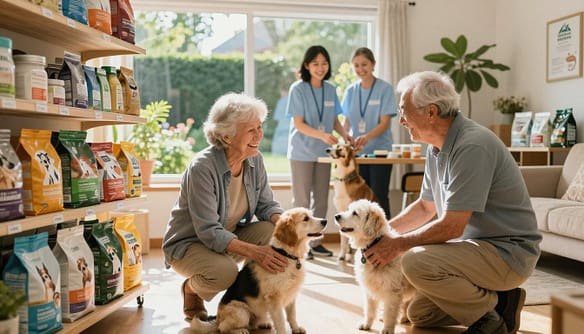
First, the most basic need: food. A pet food bank, like Brock’s Community Pet Food Bank, works on a smart model. It’s a weekly market, not a handout line. Seniors can pick what they need, alongside neighbors. It turns a financial worry into a social event.
Next, access. Getting a pet to the vet can be hard. Vet ride services, like Uber for dignity, help. Programs like the Veterinary Care for Seniors Program offer rides. This helps avoid big problems from small ones.
Then, there are daily physical barriers. Bending for a litter box. Trimming claws on a wiggly pet. In-home help services solve these problems. A volunteer or aide visits for a short time. They handle tasks that threaten independence. It’s not luxury. It’s about keeping things going.
The safety net is also powerful. What if you get sick? What if you pass away? Rancho Coastal Humane Society offers a “no-questions-asked” return policy. They also help with estate planning for pet support for elders. It’s not about death. It’s about caring deeply. It lets a senior say “yes” today, without fear of tomorrow.
| Service Type | How It Works | Key Benefit | Example / Provider |
|---|---|---|---|
| Pet Food Bank | Weekly distribution set up like a community market; clients choose items. | Eliminates stigma, ensures nutritional needs are met without financial strain. | Brock’s Community Pet Food Bank |
| Vet Transportation | Scheduled rides to and from veterinary appointments. | Guarantees access to essential care, preventing minor issues from becoming emergencies. | Veterinary Care for Seniors Program |
| In-Home Grooming & Care | Volunteers or aides visit to help with nail trims, litter changes, or light grooming. | Addresses physical limitations, helping the owner maintain the pet’s well-being independently. | Local humane society volunteer networks |
| Legacy & Safety Net | Guaranteed return policy paired with estate planning referrals. | Provides ultimate peace of mind, making the initial adoption commitment possible. | Rancho Coastal Humane Society (RCHS) programs |
This table isn’t just a list of services. It’s a blueprint for dignity. Each part tackles a specific problem in the traditional adoption model. Together, they create a strong pet support for elders system.
The result? The love isn’t diluted by worry. The companionship thrives because the support is there. True compassion isn’t just making the match. It’s building a world that lets the match last.
Program Models: “Seniors for Seniors,” trial placements, legacy care plans
This is more than just kindness. The seniors for seniors program is a detailed plan to help. It tackles big obstacles one at a time. Let’s look at the three main parts that make it effective.
First, there’s no cost. That $75 fee is covered by a secret donor. It’s not just a handout. It’s a way to encourage people to adopt. By making adoptions free, it changes the way people think about it.
Then, there’s the trial placement. It’s like a test drive for pets. This isn’t a casual try-out. It’s a structured way to see if it works. If it doesn’t, you can easily return the pet.
The last part is the legacy care plan. It deals with a big issue: death. The program doesn’t avoid it. It helps with planning for pets after their owners are gone. This turns a scary thought into something manageable.
These three parts work together well. They tackle money, commitment, and time worries. The table below shows how each part is a smart move.
| Program Model | Key Feature | Psychological Benefit | Operational Outcome |
|---|---|---|---|
| Seniors for Seniors | Donor-covered, fee-waived adoptions for qualified older adults. | Removes financial guilt and barrier; frames adoption as an enabled choice. | Increases applicant pool and streamlines the intake process. |
| Trial Placement | A defined foster-to-adopt period with a guaranteed return path. | Lowers perceived risk; allows for a real-world compatibility test without pressure. | Reduces failed adoptions and builds trust between the adopter and the organization. |
| Legacy Care Plan | Formal guidance and referrals for establishing pet trusts and care instructions. | Alleviates the core fear of outliving a pet; provides profound peace of mind. | Ensures lifelong animal welfare and fosters deep, long-term donor loyalty. |
This isn’t just about being nice. It’s a system that works well. The financial help, the trial, and the care plan all support each other. Together, they create a cycle of care for humans, animals, and the community. It’s a lasting way to show compassion.
Health & Safety: fall prevention, medication reminders, pet insurance options
Adopting a senior pet is more than just love. It involves managing fall risks, medication, and insurance costs. Studies show it can lower stress and improve blood pressure. But, it also comes with challenges.
Fall prevention is key. A wagging tail can be a hazard. Use non-slip pads on rugs and clear paths of clutter. A harness with a handle can be a lifesaver, helping your pet and supporting you.
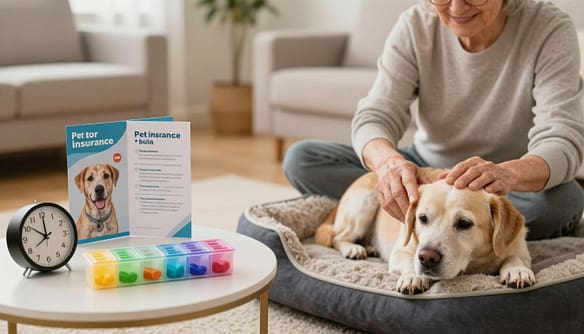
Medication reminders are important. Your pet’s pill time can remind you to take yours. This creates a shared routine of mutual well-being. Use alarms and pill organizers to manage both of your medications.
Pet insurance for a senior pet is essential. It’s not about living longer, but about dignified care. Premiums are higher, but they help avoid unexpected costs. Look for plans that cover common senior pet conditions. For a detailed comparison, check out evaluating pet insurance options against emergency funds.
Your need for gentle activity matches your dog’s need for walks. Planning for vet expenses gives you peace of mind. It’s a practical, caring approach to building a safe life together.
Adoption Day to First 60 Days: checklist and timeline
The first 60 days with a senior pet are like a diplomatic mission. It’s a quiet process where you and your pet create a shared language. This is not about big celebrations but building a peaceful relationship.
This period is like the paperwork of love. We’ll guide you through it.
Forget the big car parade. The ride home should be calm. Your pet has just experienced a big change. A soft blanket and a secure carrier are key. This is the start of building trust.
Week 1: Establishing the Soft Landing Pad
Make a “base camp” for your pet. Keep them in one room with everything they need. This room is their safe space. It helps them feel secure and learn where to go to the bathroom.
Visit them often, but let them set the pace. This helps them feel comfortable with you.
Weeks 2-4: The Diplomatic Summit on Routines
Now, you start to set routines together. When do you eat? Where do you sleep? This is a time of gentle learning. Stick to a schedule and watch for their cues.
They might like mornings or afternoons for cuddles. It’s about finding what works for both of you.
Weeks 5-8: Solidifying the Alliance
The first vet visit is a big step. It shows you’re a team. This visit is important for your bond. You’ll see your pet become more confident and comfortable with you.
Remember, shelters want to hear about your pet’s progress. They love updates and photos. Your stories help them know they’ve made a difference.
| Timeframe | Primary Focus | Key Actions | Pro-Tip Notes |
|---|---|---|---|
| Adoption Day | Stress Reduction & Safe Transport | Quiet car ride; direct to “base camp” room; limit visitors. | Have a cozy bed, bowl of water, and a hiding spot ready upon arrival. |
| Week 1 | Security & Orientation | Maintain a single-room “soft landing pad”; establish potty location; introduce your scent on a worn t-shirt. | Ignore minor accidents; reward any use of the correct bathroom area enthusiastically. |
| Weeks 2-4 | Routine Negotiation | Set fixed meal/walk times; begin gentle house exploration; note favorite sleeping spots. | Keep training sessions short (5 mins). Use high-value treats for positive association. |
| Weeks 5-8 | Integration & Health Partnership | Schedule first vet check-up; gradually introduce to trusted friends; expand home access. | This is the ideal window to discuss pet insurance options while your pet is newly enrolled. |
This timeline is a guide, not a strict plan. Every pet is different. The goal is to make progress, not to be perfect.
By the end of 60 days, you’ll understand each other without words. You’ll know what their head tilt means. You’ve built a strong bond. Now, you’re just family.
How to Start or Support a Local S4S Program
Starting a local S4S program is like organizing a grassroots campaign. It’s about building bridges, not just writing checks. That spark of inspiration you felt reading those matchmaking stories? Let’s turn it into a sustainable system. Replicating a successful model like the RCHS Seniors for Seniors program isn’t alchemy. It’s a pragmatic, three-phase operation anyone with organizational grit can execute.
Your first mission is to forge the alliance. Find the two key communities: the local animal shelter and the area senior center or retirement community. They often operate in parallel universes, unaware of the mutual benefit they offer. Your job is to be the diplomatic envoy. Schedule a meeting. Present the data, like the compelling insights from a shelter manager survey, that show how targeted adoption programs reduce shelter strain and improve human well-being. You’re not asking for a charity; you’re proposing a strategic partnership.
Phase two tackles the elephant in the room: money. The genius of the Seniors for Seniors program is removing financial anxiety as a barrier. To do this, you need an angel. This could be an anonymous local donor, a community foundation, a pet supply company, or even a service club like the Rotary. Your pitch is simple. You’re not funding a vague “good cause.” You’re underwriting specific adoption fees for qualified seniors, creating a direct, measurable impact. It’s philanthropy with a visible ROI in wagging tails and smiling faces.
The final phase is mobilization. The partnership is the skeleton, the funding is the lifeblood, but the volunteer network is the muscle. This is where you move from a nice idea to a functional service. You need people to orchestrate the support systems we detailed earlier: the ride-share to vet appointments, the pet food bank logistics, the check-in calls. Recruit not just for hands, but for specific skills. Staying aware of best practices in broader animal care industries—like those shared in professional equestrian updates—can inspire innovative volunteer management and operational strategies for your S4S program.
To visualize this ecosystem, let’s break down the key roles. It’s less about a single hero and more about assembling the right crew.
| Role | Core Responsibility | Ideal Partner/Volunteer Profile |
|---|---|---|
| The Bridge Builder | Liaises between the shelter and senior community. Handles initial outreach, program education, and matchmaking logistics. | Retired social worker, community organizer, or anyone with great people skills and patience. |
| The Funding Champion | Secures and manages sponsorships to cover adoption fees and ongoing support costs like starter kits. | Business owner, grant writer, or member of a philanthropic group comfortable making the “ask.” |
| The Volunteer Coordinator | Recruits, trains, and deploys the support network for transportation, pet food delivery, and friendly check-ins. | Natural project manager, former teacher, or someone who enjoys matching people’s skills with needs. |
See? It’s a machine with discrete, manageable parts. You don’t have to be all three. You just need to identify which cog you can be, then find the others. This is how you institutionalize compassion—by building a system that doesn’t rely on one person’s endless energy.
Supporting a local S4S program isn’t just about donating money. It’s about donating your skill as an organizer. It’s about using your social capital to connect a donor with a shelter. It’s about donating a few hours a month to drive a senior and their new cat to the vet. The ultimate goal is to make the “golden match” not a rare, heartwarming news story, but a standard, accessible option in your community. So, what’s your first move?
Conclusion: Creating Golden Years for Both
The final analysis isn’t about decline. It’s about refinement. A senior human and a senior pet tune into a quieter, deeper frequency. One gets a soft landing for their final chapter. The other gets a living, breathing reason to maintain a routine.
The currency here is companionship. It’s traded in purrs and gentle nudges. Help us give them the comfort they’ve earned and the love they’ve been waiting for. This is the quiet promise of programs like Seniors for Seniors.
In a culture obsessed with the new, this match is a brilliant act of rebellion. The best things aren’t always ahead of us. Sometimes, they’re right here, waiting for a second chance. We hope you enjoy years with your “furbaby,” whether through adoption or by fostering shelter pets as a dignified alternative.
Creating golden years for both is choosing depth. It’s a shared, silent understanding that love and comfort are the ultimate refinements.