
Rehabilitation Stories: Inspiring Triumphs of Disabled Horses
Rehabilitation stories of disabled horses are a testament to the power of determination and compassion. These inspiring tales highlight the remarkable journey of horses who have overcome incredible challenges to regain their health and well-being.
One such story is that of a horse named Thunder, who suffered a severe injury that left him unable to walk. Through a dedicated rehabilitation program, Thunder’s team worked tirelessly to help him regain his strength and mobility. With unwavering dedication and a commitment to his recovery, Thunder was able to overcome his disability and return to a fulfilling life.
Another inspiring story is that of a horse named Starlight, who was born with a congenital condition that made it difficult for her to stand and walk. Despite the odds, Starlight’s rehabilitation team never gave up on her. Through a combination of physical therapy, specialized equipment, and unwavering support, Starlight was able to overcome her disability and become a proud and independent horse.
These rehabilitation stories serve as a reminder of the incredible resilience and adaptability of disabled horses. They inspire us to provide the necessary care and support to help these magnificent creatures overcome their challenges and thrive.
Rehabilitation Success Stories
| Horse Name | Disability | Rehabilitation Program | Outcome |
|---|---|---|---|
| Thunder | Severe injury | Physical therapy, strength training | Regained mobility and strength |
| Starlight | Congenital condition | Physical therapy, specialized equipment | Became a proud and independent horse |
Special Care Fostering
Special care fostering is a unique type of foster care that provides specialized support to children with complex needs. These children may have experienced trauma, have behavioral challenges, or require medical care. Special care foster families play a vital role in helping these children heal and thrive.
Children in special care foster care often face significant challenges that require specialized support. They may have experienced trauma, leading to emotional and behavioral difficulties. These children may also have medical needs that require ongoing care and attention.
Special care foster families are trained to provide the necessary support and care to meet the unique needs of these children. They receive specialized training to understand and address the complex challenges these children face. This training helps foster families create a safe and nurturing environment where children can heal and grow.
Special care foster families provide a range of support services to meet the specific needs of each child. This may include behavioral interventions, medical care, and emotional support. By providing a stable and loving environment, special care foster families help children overcome their challenges and develop the skills they need to succeed in life.
Special care fostering is a rewarding and fulfilling experience for foster families. By providing specialized care and support, they have the opportunity to make a profound difference in the lives of children who need it most. It is a chance to offer love, stability, and support to children who have experienced trauma and are in need of healing.
Special care fostering requires a deep commitment and understanding of the complex needs of these children. It is not a role for everyone, but for those who are passionate about helping children heal and thrive, it can be a truly rewarding experience.
Benefits of Special Care Fostering
Special care fostering offers numerous benefits for both foster families and the children they care for. Here are some of the advantages:
- Opportunity to make a difference in the lives of children who need specialized care
- Training and support to address the unique challenges faced by these children
- Chance to provide a loving and stable environment for children to heal and grow
- Personal growth and fulfillment through helping children overcome their challenges
Special care fostering is a vital part of the foster care system, providing specialized support to children who require it most. By becoming a special care foster family, you can make a significant difference in the lives of children who need your love, care, and support.
Three-Legged Thunder’s Inspirational Journey
Evolution made horses for flight on four legs, but Thunder chose three. His story is more than just a rehab tale—it’s about adapting. When he lost a leg, the old rules were thrown out.
Today, disabled horses can live well thanks to vet science. Thunder’s journey started with math. A big horse on three legs needs to adjust a lot.
The team faced big challenges: managing pain, stopping laminitis, and rebuilding trust. Every day was a new puzzle. How much space does he need? What surfaces are safest? When is being stubborn good?
Pain management was daily work. They used meds, supplements, and massage. But the real magic was in quiet moments. Watching Thunder learn to balance was amazing.
Stopping laminitis was key. The other legs had to carry more. They used special care, grazing plans, and soft mats. Surprisingly, these disabled horses often live as long as others.
| Challenge Category | Primary Solution | Key Equipment | Success Metric |
|---|---|---|---|
| Biomechanical Stress | Weight Redistribution | Custom Prosthetics, Support Boots | Even Weight-bearing |
| Medical Management | Pain & Inflammation Control | Anti-inflammatories, Joint Supplements | Comfort Level Score |
| Psychological Adaptation | Trust-building Exercises | Padded Stall, Gentle Training Tools | Willing Participation |
| Preventive Care | Laminitis Prevention | Specialized Flooring, Rotational Turnout | Hoof Health Index |
Adaptive gear changed Thunder’s life. A prosthetic was just the start. They had to rethink everything, from feeding to slopes. Each change said, “We’re in this together.”
The mental journey was as tough as the physical. Horses fear losing a limb. Thunder’s team used patience and small wins to help him.
These rehabilitation stories show us what’s possible. It’s not about being perfect. It’s about being happy. Seeing Thunder happy on three legs changes how we see disabled horses.
The bond between horse and human is key. Human creativity meets horse determination. This isn’t just helping—it’s showing respect.
Studies show three-legged horses can live as long as others. Their secret? Adaptation. They focus on the legs they have. Their rehabilitation stories inspire us all.
Caring for a horse like Thunder needs sharp skills and creativity. The reward? Seeing a creature redefine what’s possible. Thunder didn’t just survive. He changed his own story, step by step.
FAQ
Q: What is medical fostering?
A: Medical fostering is a unique way to care for children with medical needs. It combines fostering with medical care, providing a nurturing environment for children to thrive.
Q: How does medical fostering differ from traditional fostering?
A: Medical fostering focuses on children with medical needs, while traditional fostering caters to children without specific medical requirements. Medical foster families receive specialized training and support to meet the unique needs of these children.
Q: What are the benefits of medical fostering?
A: Medical fostering offers a nurturing environment for children with medical needs, allowing them to thrive and develop in a stable and loving home. It also provides an opportunity for foster families to make a positive impact on the lives of these children.
Q: How can I become a medical foster carer?
A: To become a medical foster carer, you can contact your local fostering service or a reputable fostering agency. They will guide you through the application process and provide the necessary support and training to help you care for children with medical needs.
Q: What kind of support do medical foster carers receive?
A: Medical foster carers receive specialized training and ongoing support to help them care for children with medical needs. This includes guidance on managing medication, understanding medical conditions, and accessing medical resources.
Q: How can I make a difference as a medical foster carer?
A: By becoming a medical foster carer, you can make a positive impact on the lives of children with medical needs. You will provide them with a nurturing environment, support their medical care, and help them develop and thrive.
Q: What are the benefits of medical fostering for children?
A: Medical fostering provides children with a stable and loving home environment, allowing them to thrive and develop. It also offers them access to specialized medical care and support, helping them manage their conditions effectively.
Q: How can I learn more about medical fostering?
A: To learn more about medical fostering, you can contact your local fostering service or a reputable fostering agency. They will provide you with information, answer your questions, and guide you through the process of becoming a medical foster carer.
Special Care Fostering
Special care fostering is a unique type of foster care that provides specialized support to children with complex needs. These children may have experienced trauma, have behavioral challenges, or require medical care. Special care foster families play a vital role in helping these children heal and thrive.
Children in special care foster care often face significant challenges that require specialized support. They may have experienced trauma, leading to emotional and behavioral difficulties. These children may also have medical needs that require ongoing care and attention.
Special care foster families are trained to provide the necessary support and care to meet the unique needs of these children. They receive specialized training to understand and address the complex challenges these children face. This training helps foster families create a safe and nurturing environment where children can heal and grow.
Special care foster families provide a range of support services to meet the specific needs of each child. This may include behavioral interventions, medical care, and emotional support. By providing a stable and loving environment, special care foster families help children overcome their challenges and develop the skills they need to succeed in life.
Special care fostering is a rewarding and fulfilling experience for foster families. By providing specialized care and support, they have the opportunity to make a profound difference in the lives of children who need it most. It is a chance to offer love, stability, and support to children who have experienced trauma and are in need of healing.
Special care foster families are dedicated to helping children overcome their challenges and reach their full potentials. They provide a safe and nurturing environment where children can heal, grow, and develop the skills they need to succeed in life.
Special care fostering is a vital part of the foster care system, providing specialized support to children with complex needs. By providing a stable and loving environment, special care foster families play a critical role in helping children heal and thrive.
Benefits of Special Care Fostering
Special care fostering offers numerous benefits for both foster families and children. Here are some of the key advantages:
- Opportunity to make a difference in the lives of children who need it most
- Chance to provide specialized care and support to children with complex needs
- Training and resources to help foster families meet the unique challenges of special care fostering
- Opportunity to create a safe and nurturing environment where children can heal and grow
- Chance to witness the positive impact of foster care on children’s lives
Special care fostering is a rewarding and fulfilling experience for foster families. By providing specialized care and support, they have the opportunity to make a profound difference in the lives of children who need it most.
Rehabilitation Stories: Inspiring Triumphs of Disabled Horses
Rehabilitation stories of disabled horses are a testament to the power of determination and compassion. These inspiring tales highlight the remarkable journey of horses who have overcome incredible challenges to regain their health and well-being.
One such story is that of a horse named Thunder, who suffered a severe injury that left him unable to walk. Through a dedicated rehabilitation program, Thunder’s team worked tirelessly to help him regain his strength and mobility. With unwavering dedication and a commitment to his recovery, Thunder was able to overcome his disability and return to a fulfilling life.
Another inspiring story is that of a horse named Starlight, who was born with a congenital condition that made it difficult for her to stand and walk. Despite the odds, Starlight’s rehabilitation team never gave up on her. Through a combination of physical therapy, specialized equipment, and unwavering support, Starlight was able to overcome her disability and become a proud and independent horse.
These rehabilitation stories serve as a reminder of the incredible resilience and adaptability of disabled horses. They inspire us to provide the necessary care and support to help these magnificent creatures overcome their challenges and thrive.
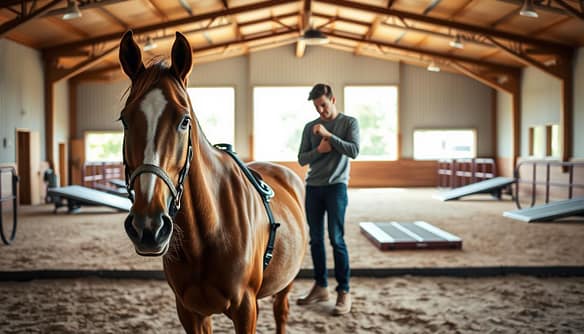
Rehabilitation Success Stories
| Horse Name | Disability | Rehabilitation Program | Outcome |
|---|---|---|---|
| Thunder | Severe injury | Physical therapy, strength training | Regained mobility and strength |
| Starlight | Congenital condition | Physical therapy, specialized equipment | Overcame disability and became independent |
Working with Equine Therapists and Vets
Think of yourself in medical fostering as the lead in a big team. You’re not alone. You work with experts. They write the script, and you deliver the lines every day.
The vet is your partner on one side. They are like a doctor for horses. They check the horse’s health and tell you how to fix problems. They are key to the horse’s care.
The equine therapist is your partner on the other side. They do more than just care for the horse. They use special methods to help the horse. Places like Forever Amber Acres Animal Sanctuary use these methods.
An EAGALA program is special. It has a vet and a therapist working together. They help horses with big problems. The horse gets special care, like therapy.
You are the one who knows the horse best. You give the team important information. “He spooked at the blue tarp today.” Your reports help the team plan.
You carry out the team’s plans. The vet gives medicine, and you give it. The therapist plans exercises, and you do them. This makes fostering a real mission.
| Professional | Primary Role | Key Questions They Answer | Your Collaborative Action |
|---|---|---|---|
| Equine Veterinarian | Medical diagnostician & treatment manager | What is the physical condition? What medication or treatment is needed? What are the mobility limitations? | Administer care, monitor vital signs, report physical changes or side effects. |
| Equine Therapist/Specialist | Behavioral & emotional intervention expert | What trauma triggers exist? How can we build trust and confidence? What environmental adjustments reduce anxiety? | Execute behavioral exercises, maintain a consistent routine, log emotional responses and breakthroughs. |
| You (The Foster) | Primary caregiver & data liaison | How is the horse responding daily? What subtle patterns are emerging? Is the combined plan working in practice? | Bridge communication between all parties, provide consistent care, and adapt the home environment. |
This team approach is the best way to care for a horse. It’s like human trauma care, where everyone works together. The vet takes care of the body, the therapist helps the mind, and you keep everything together at home.
This team makes caring for a horse easier. In medical fostering, you’re not just kind. You’re also a link to a team of experts. You’re not just giving a horse a home. You’re running a special center for their care.
The Rewards of Special Needs Fostering
Fostering special needs ex-racehorses isn’t like the movies. It’s more like solving a puzzle where the pieces change. The reward isn’t a trophy or fame. It’s quieter, deeper, and more interesting.
The reward in special care fostering is not immediate or monetary. You invest time, money, and emotions into a creature that may never “perform” again. So, why do it?
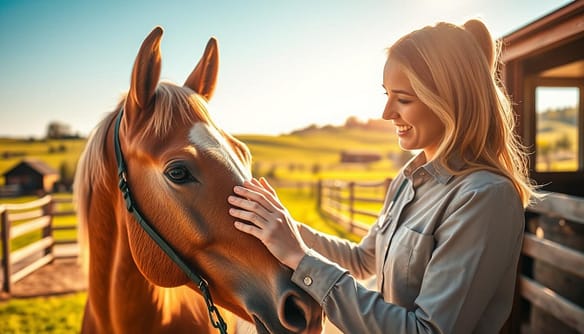
The reward is in small moments. It’s when an anxious horse walks towards you instead of running away. It’s when a three-legged horse finds a new way to lie down. It’s when a blind horse responds to your voice with confidence. These moments show earned trust, which is more valuable than any trophy.
Studies show that working with special needs horses helps people. They feel more worthy, less anxious, and better connected to their community. The horse and human both heal together, creating a cycle of strength.
You have a deep, nonverbal conversation with the horse every day. You figure out how they see the world and find new ways to help them. This work is complex and makes you a detective, therapist, and engineer all at once.
Seeing a horse rebuild its life after trauma teaches you about resilience. It’s about daily adaptation, not self-pity or past glories. It’s a lesson in perseverance.
This work makes you better at observing and understanding living things. You learn to read body language and appreciate small steps. It teaches you patience and empathy, making you a better person.
The real reward is becoming someone who handles complexity with grace. When people admire your dedication, you might seem humble. But you know you’ve learned what truly matters.
Studies show that fostering special needs horses helps people too. It reduces anxiety and boosts self-esteem. Special needs fostering changes both the horse and the human, making it a deeply rewarding work.
FAQ
Q: What is medical fostering?
A: Medical fostering is a unique way to care for children with medical needs. It combines fostering with medical care, providing a nurturing environment for children to thrive.
Q: How does medical fostering differ from traditional fostering?
A: Medical fostering focuses on children with medical needs, while traditional fostering caters to children without specific medical requirements. Medical foster families receive specialized training and support to meet the unique needs of these children.
Q: What are the benefits of medical fostering?
A: Medical fostering offers a nurturing environment for children with medical needs, allowing them to thrive and develop in a stable and loving home. It also provides an opportunity for foster families to make a positive impact on the lives of these children.
Q: How can I become a medical foster carer?
A: To become a medical foster carer, you need to meet certain eligibility criteria and undergo a thorough assessment process. This includes a home study, references, and a medical assessment. Once approved, you will receive specialized training and support to care for children with medical needs.
Q: What kind of support do medical foster carers receive?
A: Medical foster carers receive ongoing support from experienced professionals, including social workers, medical professionals, and other foster carers. This support ensures that foster families have the necessary resources and guidance to provide the best care for children with medical needs.
Q: What are the challenges of medical fostering?
A: Medical fostering can present challenges, such as managing complex medical needs and navigating the healthcare system. Foster families also face emotional challenges, including dealing with the trauma and attachment issues that children may have experienced. It is important to have a strong support network and access to resources to overcome these challenges.
Q: How can I make a difference as a medical foster carer?
A: By becoming a medical foster carer, you can make a significant difference in the lives of children with medical needs. You will provide a nurturing environment, support their medical care, and help them develop and thrive. Your dedication and compassion can have a lasting impact on these children’s lives.
Success Stories That Defy the Odds
So where’s the proof? It’s in the data. Over 1,000 horses have found new homes thanks to groups like Thoroughbred Placement Resources. Stories like “Little Guy and the Sugar Creek Six” show real-life victories.
Take a blind off-track Thoroughbred. His racing days were over, and his future looked dark. But with the right care, he learned to trust humans. He became a therapy horse for veterans at BraveHearts, helping them face their challenges.
Humans also find healing through these horses. A veteran might be quiet and closed off at first. But working with a troubled horse helps him open up. Some even become certified instructors, showing the power of this bond.
This is the heart of the matter. Fostering disabled horses isn’t just charity. It’s a critical effort. Every success story is a victory against the odds of the slaughter pipeline. These stories show that a second chance is not only possible but powerful.