Imagine a town from documentaries about America’s decline. Main Street is filled with “For Lease” signs. The vibe is like a countdown to nothing.
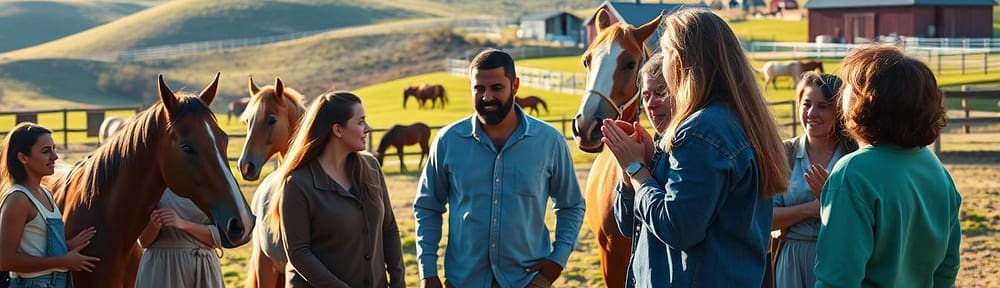
Then, a herd of rescued horses arrives. It’s not just a pretty scene. It’s a game-changer for strategic community development.
This isn’t charity. It’s a way to revitalize rural areas. The change is dramatic, like a system reboot.
So, what happens when a town decides to care? The results are clear. They bring tangible social benefits that change lives.
Economic Impact: Jobs and Local Business Growth
Let’s be honest for a moment. Seeing a rescued horse is priceless, but it doesn’t pay the bills. A formal equine rescue or foster network does more than touch hearts. It acts as a small business incubator.
Think about it. A town in trouble gets a new, stable business. The rescue creates jobs like barn managers and adoption coordinators.
The real magic is in the money flow. A new client at the local feed store helps. The community farrier gets regular work. Most importantly, local vets get more business.
Programs like the ASPCA’s Vet Direct Safety Net help keep animals healthy. In 2021, the ASPCA gave over $1 million to its partners. This money goes straight into the local economy.
This is how a rescue hub works. It doesn’t just save horses; it boosts the whole area.
| Job Sector | Description | Local Economic Impact |
|---|---|---|
| Direct Rescue Employment | Barn managers, adoption coordinators, trainers | Stable salaries spent locally on housing, food, and services |
| Animal Care Services | Veterinarians, farriers, equine dentists | Regular contracts and subsidized care programs guarantee income |
| Supply Chain & Retail | Feed stores, tack shops, hay suppliers, equipment retailers | Predictable bulk orders create a reliable revenue stream for small businesses |
| Indirect & Ancillary Services | Property maintenance, waste removal, insurance agents, bookkeepers | New demand for support services creates a wider network of economic activity |
This is the multiplier effect in action. The rescue doesn’t just create jobs; it boosts the whole economy. The local diner gets more customers. The hardware store sells more fencing.
Compassion, when done right, can have a big impact. It turns out that caring for others can also be good for business.
School Partnerships and Educational Programs
Forget the old diorama of the solar system. Today, the best learning tool has four legs and a tail. Schools are teaming up with horse rescue places, changing how we learn.
This isn’t just a petting zoo. It’s where biology meets the barn, and physics is shown through a horse’s movement. The goal is to create a direct link from school to the corral.
Let’s look at how it works. The idea is simple yet powerful. It uses the help of experts like those from the Certified Horsemanship Association. They work with foster families, turning them into teachers.
Students learn a lot. They learn about animal health from a vet tech. They learn about care from foster volunteers.
The learning goes beyond animals. Students learn to read a horse’s body language. This skill helps them understand people better. They learn about force and motion by watching a horse move.
This fits perfectly with the ASPCA’s Right Horse Initiative. It’s about community support and education. These programs make kids into informed advocates. They grow up caring about animals, which helps in many ways.
The table below shows how school topics change with this partnership:
| Traditional Classroom Topic | Equine-Assisted Application | Core Skill Developed |
|---|---|---|
| Biology: Animal Anatomy | Hands-on grooming; identifying hoof, mane, and skeletal features. | Scientific Observation & Empathy |
| Physics: Force & Motion | Analyzing the mechanics of different gaits (walk, trot, canter). | Applied Mathematics & Kinetics |
| Social-Emotional Learning | Reading horse ear position, tail swishes, and posture to gauge mood. | Non-Verbal Communication & Emotional Intelligence |
| Civics & Community Service | Organizing a fundraiser for rescue hay or volunteering for stable chores. | Responsibility & Active Citizenship |
The social benefits spread far. Parents feel good about their kids’ activities. Teachers see students more engaged. The rescue gets support from the community.
These programs do more than teach about horses. They teach kids about perspective, patience, and teamwork. They help build respect for all living things and the community that supports them. It’s about one student, one horse, and one moment of understanding at a time.
Tourism Boost from Rescue Facility Visits
Move over, wine tours—there’s a new kind of weekend getaway putting rural towns on the map. It comes with hay bales instead of tasting notes. We’re seeing the rise of compassion tourism, where the main attraction is a living, breathing story of resilience.
People are trading passive sightseeing for purpose-driven connection. What’s more memorable: another generic antique mall or the moment a once-abandoned horse gently takes a carrot from your hand? The emotional resonance is undeniable.
This isn’t just about seeing animals; it’s about participating in a narrative of hope. Visitors don’t merely observe—they engage, empathize, and invest.
Data from initiatives like the ASPCA’s Right Horse program shows this shift. Their “My Right Horse” portal isn’t just an adoption tool; it’s a powerful awareness engine. It frames rescue horses as compelling individuals, sparking public interest.
The curiosity it generates has tangible feet—or cars—heading toward rural communities. The economic impact is both direct and deliciously indirect. Yes, there’s the donation at the gate or the purchase of a branded sweatshirt.
But the real magic happens down the road. Tour groups need lunch. Out-of-town visitors book bed and breakfasts. Families filling their gas tanks decide to explore the local diner.
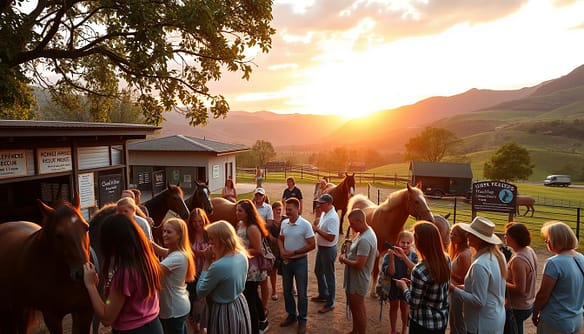
This model flips the script on traditional rural revitalization. Instead of begging for a factory or a chain hotel, a town can leverage its existing space, compassion, and community spirit. A well-run rescue becomes a destination anchor.
It offers an experience that’s authentic and un-replicable by big-city attractions. You can’t franchise genuine gratitude.
The gift shop is a perfect microcosm of this savvy ecosystem. That coffee mug isn’t just merchandise; it’s a conversation starter back home. The purchase supports the rescue, and the story it represents fuels word-of-mouth marketing.
It’s a sustainable cycle: compelling stories attract visitors, whose spending supports the cause and the town, which enables more stories to be told.
This is tourism with a heartbeat. It proves that rural revitalization doesn’t have to mean soulless development. It can be powered by empathy, attracting a demographic that values authenticity over extravagance.
The resulting economic impact is measured not just in revenue, but in renewed community pride and a compelling new identity for towns smart enough to saddle up this trend.
Property Values and Community Pride
Forget about granite countertops; the latest trend might be a pasture. I’m only half-joking. The economic impact of a well-run horse rescue on local real estate is huge.
When a town invests in compassion, it becomes more desirable. It’s known for its beautiful paddocks and volunteer-run rescues. This creates a sense of pride and value.
Imagine choosing between two towns. One has a strip mall and parks. The other has a thriving equine rescue center. Which town feels more alive and cohesive? The answer is clear.
This perception boosts demand and property values. It’s a smart way to grow financially. A community caring for animals shows safety and shared values.
A successful horse rescue is like a permanent press release for the town. It gets local news stories and becomes a civic pride point. This changes the town’s image.
This rebranding attracts families and professionals. They don’t just visit; they stay and buy homes. This boosts the local economy.
The most surprised person is the house-flipper. They look for new roofs and kitchens. But houses near the rescue are more valuable. The best curb appeal now includes a retired show horse.
This is the ROI of doing good. It’s hard to measure, but you see it in rising Zillow estimates. It’s how compassion drives the economy, one hay bale at a time.
Intergenerational Connections Through Horses
The digital age promised global connectivity, but a 1,200-pound herbivore showed us how to truly bridge the generational divide. While apps connect us superficially, horse foster programs create something deeper. They build relationships that span decades in the simple act of cleaning a stall.
Here’s how it works. Source 3 data reveals a brilliant model: pairing new adopters with experienced foster families. This isn’t just logistical support. It’s an unspoken apprenticeship. A retired rancher teaches a millennial office worker how to read a horse’s body language. A Gen Z volunteer learns why certain traditions matter from someone who’s lived them.
The grooming stall becomes the ultimate social network. Call it the original LinkedIn for rural communities. Retired experts connect with TikTok-savvy teens over the proper way to pick a hoof. This creates profound social benefits that algorithms can’t replicate.
Tacit knowledge gets passed down not through lectures, but through shared labor. You don’t learn patience from a tutorial video. You learn it when an elder shows you, for the tenth time, how to properly secure a halter. This knowledge transfer is the hidden glue of community development.
Think about what’s exchanged. The lifelong horseman offers wisdom earned through decades of mistakes. The young volunteer offers fresh perspective and digital savvy. Both leave richer. This reciprocal exchange addresses generational drift head-on. It’s a potent antidote to the isolation plaguing modern life.
From a cultural lens, these connections rebuild community fabric stitch by careful stitch. They create what urban planners dream about: organic, multigenerational gathering spaces. The community development here remembers its own history. It doesn’t start from scratch but builds on accumulated wisdom.
The data from Source 1 clarifies the goal: keeping horses safe within the community. This safety net extends beyond animals. It catches people too. Lonely elders find purpose. Directionless youth find mentors. The social benefits ripple outward, strengthening the entire town.
What’s being forged in these barns is more valuable than any social media follower count. It’s trust. It’s mutual respect across age barriers. It’s the kind of community development that can’t be manufactured or funded into existence. It must be earned through shared purpose.
In an era of digital silos, the horse becomes the great connector. It gives generations a common language when words fail. The work is the conversation. The animal is the mediator. This isn’t nostalgia—it’s practical sociology in action.
The result? Communities that don’t just survive, but remember how to thrive together. They develop resilience through interwoven relationships. The barn becomes a classroom without walls, teaching lessons no institution can package. That’s transformation, one hoof pick at a time.
Mental Health Benefits for Volunteers
Mindfulness is more than just a trend; it’s a practice that changes lives. It smells like leather, hay, and sweat. Working with horses offers mental health benefits that are unique and powerful.
When you care for a horse, you feel a sense of control. You’re not just doing something; you’re making a difference. This feeling is special because horses don’t judge you. They just listen.
Being around horses helps you feel more grounded. You start to notice the world around you more. The constant noise of life slows down.
This experience is real and tangible. You don’t need likes or achievements to feel good. Just knowing you’ve made a horse happy is enough. It’s a chance to see what’s truly important.
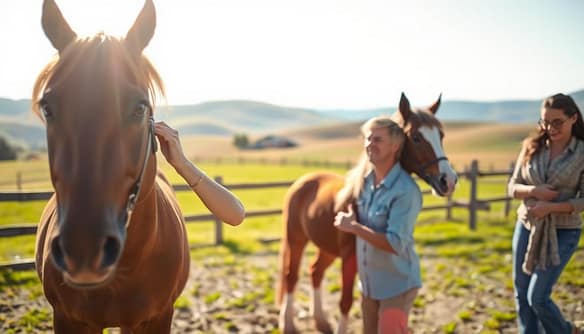
Studies show that volunteering is good for you. It teaches you new skills and keeps you engaged. This engagement has social benefits that last long after you leave the farm.
Horses don’t care about your job or social media. They accept you for who you are. This acceptance is healing.
Working with horses builds your confidence. You learn to handle your emotions better. These skills help you in all areas of life.
This experience changes not just you, but also your community. Volunteers form strong bonds. These bonds create a network of support that goes beyond the farm.
Crime Reduction and Youth Engagement
The best way to prevent crime in some areas isn’t a police car. It’s a curry comb and a big responsibility. We’ve tried many things, like after-school programs and midnight basketball, but they don’t always work. But, the data shows that working with animals is very effective.
When young people have nothing to do, they might get into trouble. This is a fact from social science. Horse rescue programs change this by giving them something positive to do.
Imagine trying to text and groom a horse at the same time. It’s not possible. These programs teach young people to be present, patient, and responsible. They offer an alternative narrative for those at risk.
Instead of being seen as troublemakers, these kids become animal caregivers. They gain skills in a stable, not on the streets. The social benefits are huge and can be measured.
The ASPCA’s work shows a link between fighting animal cruelty and safer communities. It’s not just about helping horses. It’s about making a place where kindness is common.
Source 3 talks about giving young people clear ways to get involved. This isn’t just a hobby. It’s a system that teaches them to be accountable. They learn to show up, follow rules, and care for animals.
Let’s look at how different these programs are. Traditional youth programs can feel like punishment. But, working with horses is like an apprenticeship. The results are much better.
| Aspect | Traditional Youth Programs | Equine Engagement | Impact Difference |
|---|---|---|---|
| Structure | Rigid schedules, classroom setting | Task-based, hands-on learning | Higher engagement, practical skills |
| Skill Development | Often theoretical or recreational | Tangible caregiving, responsibility | Builds real-world competence |
| Emotional Connection | Limited to peer or mentor relationships | Deep bond with animal dependent on care | Powerful motivation for consistency |
| Cost per Participant | $2,000-$5,000 annually | $800-$1,500 (shared with rescue ops) | More sustainable, multi-purpose funding |
| Long-term Outcomes | Mixed recidivism rates | Dramatically reduced negative behaviors | Lasting attitude and skill changes |
This isn’t just using animals to scare kids straight. That doesn’t work. True change happens when kids learn to care for animals, not just take from them.
Look at those hands. They’re not texting or causing trouble. They’re talking to a creature that understands body language better than words. This is community development at its core.
Young people who care for rescue horses develop important skills. They feel needed and build self-confidence. Their energy is used for something meaningful.
The cost of keeping kids in stable programs is much less than keeping them in prison. Yet, we spend more on prisons than on prevention.
These programs create positive activities for young people. Instead of hanging out with nothing to do, they have a purpose. The stable becomes a place of positive activity, pushing out negative behaviors.
The social benefits go beyond the kids. Families and schools see improvements. Local businesses are safer. It’s a wave of positive change.
This approach is smart social policy. It’s simple yet effective. It gives young people meaningful work, teaches them skills, and helps them understand emotions. The horse teaches and benefits from this too.
We’re not just keeping kids out of trouble. We’re preparing them to be caregivers, trainers, and leaders. This is real community development. They learn important life skills like reading nonverbal cues and managing frustration.
Instead of being known for bad behavior, these kids are known for helping horses. This is a big change. It’s about reducing crime through purpose.
The data shows that communities with horse rescue programs have less youth crime. They also have more teenagers volunteering. The link is clear.
This is about giving young people a reason to care about their community. When they feel invested, they protect it. They become part of the solution, not the problem.
The social benefits of this model create a positive cycle. Safer communities attract more investment. More investment means more opportunities. More opportunities mean less reason for bad behavior. It’s simple, yet effective.
Regional Recognition and Awards
When the ASPCA shares your story, you’ve made it big. That local news segment was just the start. The real show is when your town’s story goes regional.
The ASPCA’s pilot programs showed a replicable blueprint for success. Partners saw adoption rates jump over 100%. This proves your approach works elsewhere, too.
Winning an award changes everything. It brings in grant money and skilled volunteers. It also wins you political support.
An award is like getting verified on social media for community development. It makes your project a serious case study. This pride boost turns casual supporters into strong advocates.
This creates a cycle of growth. Recognition brings in resources. Resources speed up progress. Progress leads to more recognition.
This change is both mental and practical. An exclusive Q&A with past Distinguished Service Awards shows how awards change a community’s view of itself. They see themselves as innovators, not strugglers.
This shift is key. It makes tentative steps into confident strides. A state award is more than just a trophy. It’s a spark for rural revitalization and community development.
Replicating Success in Other Communities
Can you bottle this kind of magic? The ASPCA already did. Their Regional Support Center’s learnings form a clear blueprint for similar programs nationwide.
Think of it as an open-source playbook for rural revitalization. The Vet Direct program shows how to build financial safety nets. The collaborative My Right Horse network proves cooperation beats competition.
Real community development starts with these transferable parts. You need structured support, not just good intentions. The Horse Adoption Express model demonstrates smart public engagement.
This isn’t a unique fluke. It’s a reproducible formula waiting for its next town. Your blueprint for meaningful community development exists. You just need to follow the map.