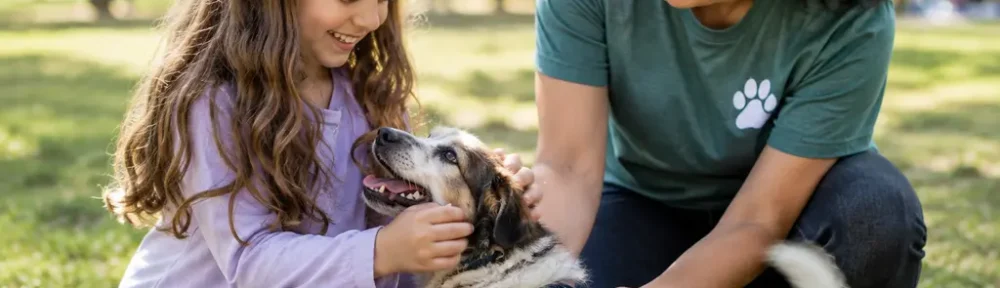
San Diego fostering became one of the clearest ways neighbors could help animals after the San Diego Humane Society reported a record 766 adult dogs in its care in August 2026, up from 690 in August 2025, according to Axios San Diego. Behind those numbers were kennels, staff members, volunteers, foster homes, adopters, and families trying to do right by pets during a strain that no shelter can solve alone.
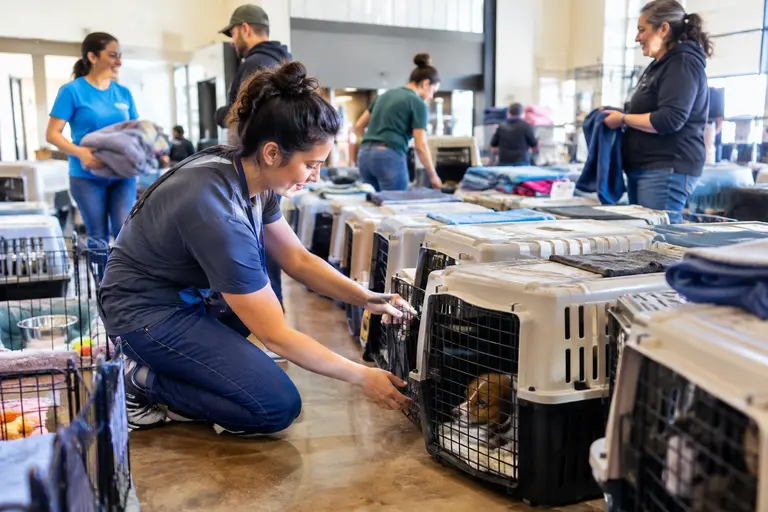
As of early August 2026, SDHS was caring for 1,950 animals, with 874 available for adoption, after nearly 130 more animals entered care in one week, according to NBC 7 San Diego. The organization said its campuses had no space left and that emergency kennels were being used in storage spaces and nearby purchased buildings. That is the kind of moment when community support stops being a nice idea and becomes the breathing room that keeps care moving.
Why San Diego Fostering Matters Now
San Diego Fostering As A Capacity Tool
San Diego fostering is not a symbolic gesture. It is practical shelter relief. A temporary home can open a kennel for another animal entering care, while giving one pet a quieter place to sleep, eat, and be observed away from the noise of a crowded facility. For dogs, cats, rabbits, guinea pigs, and other companion animals, the basic gift is ordinary life: a clean room, a safe routine, gentle attention, and a person willing to notice what helps them feel secure.
Foster care can also help shelter teams learn more about an animal’s day-to-day habits. A foster caregiver may observe how a pet rests, responds to household sounds, uses enrichment toys, or greets visitors. Those notes can help adoption counselors make thoughtful matches. This is not about making every animal appear perfect. It is about giving future adopters honest, useful information so they can prepare responsibly.
Community care has a ripple effect. One foster family may care for a dog for a weekend. Another may take a litter of kittens for a longer placement if the shelter offers that option. Someone else may provide a calm room for a small animal. Each act may feel modest inside one home, yet it can help a shelter stretch limited kennel space, staff time, and volunteer energy.
What Temporary Care Can Look Like
Fostering does not always mean a long commitment. Some shelters ask for short-term homes during crowding, while others need caregivers for animals recovering from stress, pets waiting for adoption, or animals who need a break from the shelter setting. The exact process, supplies, training, and time frame should always come from the shelter or rescue placing the animal.
A responsible foster asks careful questions before saying yes. What species, size, and energy level fits the home? Are there resident pets or children? Is there a quiet separation space? Who handles food, supplies, and veterinary decisions? If a health concern appears, the foster should contact the shelter and, when directed, a licensed veterinarian. Foster care is compassionate work, but it should not turn into guesswork.
How Neighbors Can Help Beyond Fostering
Adoption With A Plan
Adoption can be a beautiful answer to crowding, but it should never be rushed only because fees are reduced. In August 2026, SDHS waived or cut adoption fees for all pets except horses throughout the month, and it held a fee-waived adoption day on August 29, 2026, as NBC 7 San Diego reported. Those fee changes may have lowered the first cost of bringing a pet home, but adopters still needed to consider food, housing rules, training, veterinary care, enrichment, and time.
The kindest adoption is the one that lasts. A family choosing a pet during a crisis should still meet the animal, ask about known needs, review landlord or pet-rent requirements if relevant, and prepare the home before pickup. For a dog, that may mean a secure leash, food and water bowls, a resting spot, and a calm first few days. For cats or small animals, it may mean a quiet room and species-appropriate housing. Shelter staff can guide adopters on what is known about each animal.
Volunteer, Donate, And Share With Care
Not every household can foster or adopt. That does not make the household less useful. Shelters often need help with cleaning, laundry, feeding support, enrichment, adoption events, clerical tasks, transport, and public education. During crowding, volunteer time can protect staff from burnout and help animals receive steady attention.
Donations matter, too. Money gives shelters flexibility, while wish-list supplies can support daily care. People who cannot give funds may still help by sharing adoptable animals from official shelter pages, speaking kindly about rescue pets, or helping lost pets get home by checking for identification and following local shelter instructions. For readers who want a practical local starting point, our related piece on how San Diego volunteers can help shelter pets offers more community-minded ideas.
- Foster if your home is ready: Ask the shelter what time frame, supplies, training, and emergency contacts are provided.
- Adopt responsibly: Treat reduced fees as help with entry costs, not as a reason to skip planning.
- Volunteer consistently: Even a recurring short shift can support animal care and shelter operations.
- Donate useful items or funds: Follow official shelter wish lists so your gift matches real needs.
- Share official posts: Use accurate details from the shelter rather than rewriting an animal’s story.
- Support reunification: Encourage ID tags, microchip checks, and prompt lost-and-found reporting through local channels.
Responsible Community Care During A Shelter Crisis
Helping Without Overpromising
Good intentions need structure. A person who takes on more animals than they can safely house may add pressure instead of easing it. A foster who ignores resident pet boundaries, landlord rules, or shelter instructions can create avoidable stress. Responsible community care means matching the offer to the reality of the home.
It also means resisting shame. Families surrender pets for many reasons, and the research notes for this crisis pointed to pressures such as veterinary costs and pet rent. Blame rarely opens kennels or keeps pets safe. Practical help does. A neighbor who shares pet food, a friend who helps someone search for a lost dog, or a donor who supports shelter programs can all be part of prevention.
For potential fosters, the best first step is a calm household audit. Look at schedules, exits, fencing if relevant, resident animals, allergies, transportation, and emotional bandwidth. Then speak with the shelter about a placement that fits. Some people are best suited for a senior cat. Others can handle an energetic dog for a few days. Others may be better as adoption-event volunteers. Each honest yes has value.
Keeping The Animal’s Future In View
Foster homes can be tender places. It is normal to grow attached. The goal, though, is not to own every animal who passes through the door. The goal is to help that pet reach the next safe step, whether that is adoption, transfer, reunification, or continued shelter care. A foster’s notes, photos, and steady routine can help a future adopter see more than a kennel card.
That future-focused mindset protects the foster caregiver, too. Clear expectations with the shelter reduce confusion about medical decisions, meet-and-greets, supplies, and return dates. If the placement feels like too much, asking for help early is responsible, not a failure. Rescue work depends on honesty as much as affection.
San Diego Fostering Builds Shelter Relief
San Diego fostering works best as part of a wider circle: adopters who plan carefully, volunteers who show up, donors who give what shelters request, and neighbors who share accurate information. The 2026 crowding numbers showed how quickly animal care systems can be stretched. They also showed how many entry points exist for people who want to help.
No single household can solve a regional shelter crisis. Yet one open spare room, one safe crate, one volunteer shift, or one responsible adoption can change the day for an animal and the staff caring for them. That is the quiet strength of community rescue work: many people doing humane, realistic things, each making a little more room for care.