
Multi-cat households are no longer a quiet side note in cat ownership; they are one of the clearest signals in APPA’s latest cat data. In 2025, 53 million U.S. households owned at least one cat, representing about 39% of all households and a 5% increase from 2024, according to the APPA cat ownership report. For adoption advocates, fosters, and rescue supporters, that shift is more than an industry trend. It is a reminder that more families are making room for feline companionship, and many may be open to adopting bonded pairs, companions for resident cats, or cats who thrive with feline company.
What APPA Says About Multi-Cat Households
The most striking part of APPA’s update is not just that cat ownership grew. It is that homes with more than one cat grew too. Households with two cats rose 7% from 2024 to 2025 and were up 16% since 2018; households with three or more cats also increased 7% year over year and were up 45% since 2018, according to the same APPA cat ownership report. That is a meaningful shift for shelters and rescues, because placement conversations may increasingly include whether an adopter is prepared for the daily care, cost, space, and time needs of more than one cat.
As someone who cheers every thoughtful adoption, I see opportunity here, but not a blank check. A second or third cat is not a decoration for a home that already has one feline resident. It is another individual with preferences, routines, and needs. The data tells us more people are choosing cats in groups; rescue-minded planning helps make those choices kinder and more realistic.
Why Multi-Cat Households Are Growing
APPA’s data points to demographic shifts behind the growth. Men made up 43% of the cat-owning population in 2025, and APPA identified “cat dads” as a rising segment, especially in homes with more than one cat. Gen Z represented 22% of cat owners in 2025, up 10% from the previous year; among Gen Z cat owners, ownership of three or more cats rose 14% year over year, according to the APPA cat ownership report.
Those numbers matter because public messaging around cat adoption has sometimes leaned on outdated stereotypes: the solitary cat person, the low-effort pet, the “just add another” mindset. The newer data suggests a wider mix of caregivers is embracing cats. That opens the door for rescues to speak to more people with practical, welcoming guidance instead of assumptions.
What The Numbers Do Not Tell Us
The APPA figures show growth, but they do not tell us every reason a household added another cat. Some families may have adopted bonded cats. Some may have found that a resident cat did well with feline companionship. Some may have made a spontaneous choice. The data also does not tell us whether every home had an ideal setup. That uncertainty is worth saying out loud, because responsible ownership lives in the details.
For multi-cat households, the adoption conversation should include questions that are compassionate rather than gatekeeping: Does the household have enough daily time for each cat? Can the family cover routine food costs and veterinary care? Is there space to separate cats during introductions if needed? If health, diet, or behavior concerns appear, the right next step is to consult a licensed veterinarian or qualified behavior professional rather than relying on social media guesses.
Planning Care For Multi-Cat Households
APPA reported that average household food spending for cats in 2025 was $337.53, a 9% increase from 2024, and that purchases of mixers and toppers by male cat owners rose 214% since 2018, according to the APPA cat ownership report. Spending trends do not prove better care by themselves, but they do show that cat caregivers are investing more attention and money into food-related choices. In rescue conversations, that can become a helpful prompt: enthusiasm is wonderful, but recurring costs should be planned before adoption day.
A family adopting one cat may already understand the rhythm of feeding, litter care, play, and vet visits. Adding another cat changes that rhythm. The day can become fuller, noisier, funnier, and sometimes more demanding. If the cats are compatible, the reward can be beautiful: shared naps, soft chirps across the room, and the quiet comfort of a home that feels safe. If the match is rushed, the stress can land on both cats and caregivers.
That is why adoption teams and fosters can frame readiness in warm, specific terms. Not “Are you a perfect pet parent?” Nobody is. A better question is: “What support would help this placement succeed?” Community support can include foster-to-adopt options where offered, post-adoption check-ins, clear introduction instructions from the adopting organization, and honest budget planning. Readers interested in the wider rise of homes with more than one pet may also find our related piece on multiple-pet household planning useful.
- Adopters can prepare early: Think through food, litter, veterinary care, safe resting areas, and how each cat will get attention as an individual.
- Fosters can document personality: Notes about play style, comfort with other cats, confidence level, and daily routine help match cats with suitable homes.
- Rescues can support bonded placements: Clear descriptions of bonded pairs or compatible companions can help adopters understand the value of adopting two cats together.
- Communities can help with supplies: Donation drives for food, litter, carriers, and enrichment items can reduce pressure on foster networks and rescue groups.
Adoption And Rescue Lessons From APPA Cat Trends
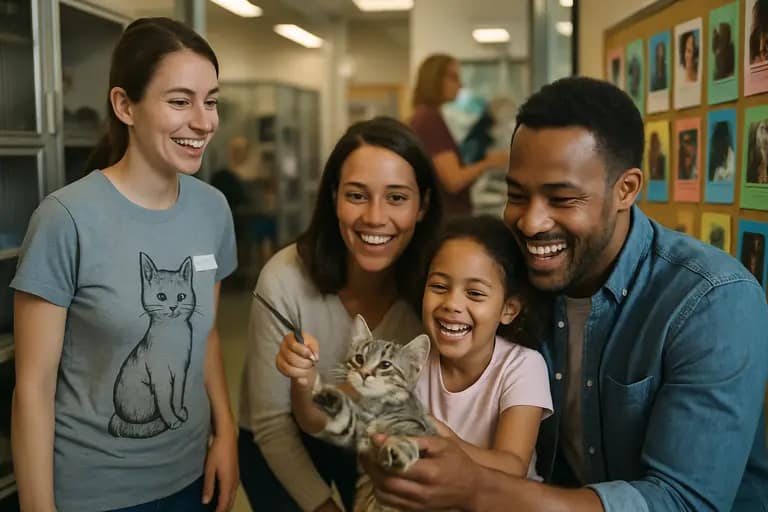
The rescue opportunity in these numbers is real. If more people are open to cats, and more cat owners are open to more than one cat, shelters and rescues can meet that interest with education rather than pressure. The goal is not to push every adopter toward two or three cats. The goal is to help the right cats find the right homes, including pairs and socially flexible cats who may otherwise wait longer.
For advocates, messaging matters. A bonded pair should not be presented as “twice the problem.” They are two lives with an existing relationship. A shy cat who relaxes around another cat is not “less adoptable.” That cat may simply need a home that understands feline comfort. A caregiver who wants to adopt another cat should feel encouraged to ask questions before making the commitment.
Rescue groups can use APPA’s data as a conversation starter with donors too. If cat ownership is rising, community support needs to keep pace. Food banks for pet families, foster recruitment, transport help, and adoption counseling all become part of a healthier safety net. None of those efforts require shaming families who need help. In fact, the most effective rescue work often starts with respect: people are more likely to ask for support early when they are treated with dignity.
How Fosters Can Help Cats Shine
Foster homes have a special gift in this trend. They can observe how a cat responds to ordinary life: quiet rooms, playful sounds, mealtimes, visitors, and other resident animals if introductions are allowed by the rescue. That information can make adoption profiles more useful. Instead of vague labels, fosters can offer grounded observations: this cat enjoys nearby companionship; this pair seeks each other out for naps; this cat prefers personal space but relaxes with slow introductions.
Those details are powerful because they help adopters picture real care. A good match reduces stress for cats, adopters, and rescue volunteers. It also supports long-term commitment, which is the heart of adoption-first advocacy.
Multi-Cat Households And Rescue Choices
The rise of multi-cat households should make us hopeful and careful at the same time. Hopeful, because more people are embracing cats and may be open to adopting pairs or adding a rescue cat with intention. Careful, because every added cat deserves thoughtful care, not just extra affection in theory.
APPA’s 2025 data gives the pet community a useful signal: cat ownership is growing, younger owners and men are prominent parts of that growth, and homes with two or more cats are becoming more common. The humane response is to pair that enthusiasm with preparation. Ask good questions. Budget honestly. Adopt from shelters and rescues when possible. Support foster caregivers. Keep veterinary care in the plan. Most of all, remember that each cat is a whole little person in fur: funny, particular, emotional, and worthy of a safe home that sees them clearly.