
Cat Ownership in 2026 is not a story about cats replacing dogs. It is a story about families asking sharper questions before they adopt: How much time do we have? What space can we offer? What costs can we carry without risking the animal’s care? As a rescue advocate, I love that shift. A good match protects pets from being returned, protects families from heartbreak, and gives shelters a better chance to place animals where they can truly settle.
The dog-cat comparison still matters because it shapes adoption decisions. In 2025, 53% of U.S. households reported owning a dog, while 39% reported owning a cat, equal to about 68 million dog-owning homes and 53 million cat-owning homes Whisker pet ownership data. Dogs remain more common in U.S. homes, but cats are hardly a side note. The 2026 CATalyst Council report estimated about 77.6 million pet cats and about 92 million pet dogs in U.S. homes, with cats making up 45.7% of household cats and dogs combined CATalyst Council demographics.
Cat Ownership Trends Behind The Shift
Those numbers point to a practical truth: many homes are weighing cats and dogs side by side, not as rivals, but as different commitments. A dog may fit a family that has time for regular outdoor routines, training, and social exercise. A cat may fit a household with less outdoor space, a quieter schedule, or a preference for indoor companionship. Neither choice is “easy mode.” Both ask for money, time, patience, and a plan for care during vacations, moves, illness, and life changes.
What Cat Ownership Means For Dog Lovers
For lifelong dog people, cats can feel mysterious at first. The affection may be quieter. The trust may be earned in smaller increments. A cat might choose the sunny chair over the center of the party, then appear at midnight with the emotional intensity of a tiny roommate who has finally reviewed your application. That independence is charming, but it should not be mistaken for self-sufficiency.
Adopters still need to think through feeding, litter, enrichment, safe indoor space, scratching needs, routine veterinary care, and emergency savings. If a cat is adopted because the family hopes for a lower-pressure pet, the better question is not “Is this cheaper than a dog?” The better question is “Can we meet this animal’s needs for its full life?” That question keeps rescue decisions grounded in responsibility rather than impulse.
Why The Shift Matters To Shelters
Shelters and rescues benefit when families are honest about fit. A household that cannot provide a dog with enough activity may still be a wonderful home for a calm adult cat. A family with young children, frequent guests, or other animals may need careful matchmaking with the rescue team. The goal is not to talk anyone into a cat. The goal is to help people adopt the pet they can care for well.
This is where community support matters. Foster homes can share what a cat is like outside a kennel: whether the cat seeks lap time, prefers quiet corners, enjoys wand toys, or needs a slow introduction to other pets. Adoption counselors can help families think beyond age and appearance. Neighbors can support local rescues with supplies, transport, or temporary fostering if adoption is not possible. Every bit of help widens the safety net.
Financial Planning Without Treating Cats As Budget Pets
The financial side of pet ownership can be awkward to discuss, but it is an act of care. Adoption should never depend on wishful math. Before adopting, families should price the regular costs they can predict and create breathing room for the costs they cannot. Cats may not need the same outdoor gear or daily walking services as many dogs, yet they still need steady care and a safe home environment.
A Cat Ownership Budget That Respects The Animal
A practical cat budget begins before adoption day. Ask the shelter or rescue what is included in the adoption fee, such as spay or neuter status, vaccines, microchip information, or starter supplies. Policies vary by organization, so ask directly rather than assuming. Then build a monthly estimate that includes food, litter, preventive wellness visits recommended by a licensed veterinarian, toys, scratching surfaces, carrier replacement, and a reserve for urgent care.
For families comparing a cat with a dog, it may help to use a shared checklist rather than a debate. That keeps the focus on care, not stereotypes.
- Housing: Does your lease, homeowners association, or household schedule support the animal you want to adopt?
- Time: Who handles feeding, cleaning, play, training, appointments, and care during travel?
- Veterinary care: Which licensed veterinarian will you call for wellness planning, illness concerns, or behavior changes?
- Emergency savings: What amount can you set aside before a crisis occurs?
- Enrichment: Can you provide safe play, scratching, resting places, and social contact that match the pet’s needs?
If you are building a pet budget from scratch, our related piece on costs, care, and adoption planning can help frame the conversation in a rescue-first way.
Adoption Choices For Cat And Dog Families
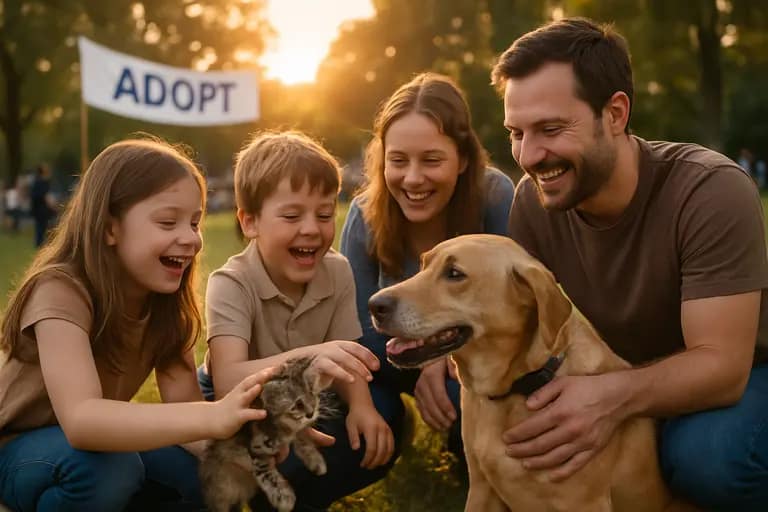
The kindest adoption choice is rarely the fastest one. A family may walk into a rescue thinking “kitten” and leave with a senior cat who fits their workday. Another family may think a cat is the only realistic option, then realize they have the time and outdoor access for a dog. Good rescue teams welcome those conversations because the right match reduces stress for everyone.
Fostering As A Low-Pressure Way To Learn
Fostering is one of the best community tools we have. It gives animals a break from the shelter setting and gives people real experience with pet care before making a lifelong commitment. For cats, a foster home can reveal litter habits, confidence level, play style, and comfort with ordinary household sounds. For dogs, foster notes can show energy level, leash manners, and how the dog relaxes after decompression time.
Fostering also helps families respect differences between species. A cat may need vertical space, predictable routines, and slow introductions. A dog may need structured walks, training support, and social outlets. Neither set of needs is better or worse. They are simply different promises.
Community Support Makes Adoption Stronger
Rescue work is strongest when the whole community participates. People who cannot adopt can donate litter, food, washable bedding, or carriers if the organization requests them. Volunteers can help with adoption events, photography, social posts, or transport. Local pet professionals can support adopters by encouraging humane care and referring medical concerns to licensed veterinarians.
This community approach matters because pet ownership is not a single purchase. It is a relationship that needs support over time. If more families are considering cats in 2026, rescues have a chance to educate adopters about indoor safety, enrichment, and lifelong care from the start.
Cat Ownership In 2026: Practical Next Steps
Cat Ownership in 2026 asks us to slow down and match the pet to the life already being lived, not the fantasy version of that life. If your home is calm, your budget is prepared, and you are ready for daily care, a rescue cat may be a beautiful fit. If your household thrives on outdoor routines and structured activity, a rescue dog may be the better match. If you are unsure, foster first, ask questions, and let shelter staff guide you toward an animal whose needs match your capacity.
The shift toward stronger interest in cats is hopeful only if it leads to thoughtful adoption. Cats are not backup pets. Dogs are not status pets. Every animal entering a home deserves planning, patience, veterinary partnership, and a family willing to keep learning. That is the adoption culture worth building together.