
PetLENS consumer sentiment arrived with a promise that matters to families who share their homes with animals: listen more often, respond with better information, and stop treating pet care as a once-a-year snapshot. As a foster advocate, I read any new pet industry research through one question first: will this help people care for animals responsibly, including the adopted dogs, cats, rabbits, birds, reptiles, fish, and small companions already counting on us?
On August 13, 2026, the World Pet Association, in partnership with BSM Partners, announced petLENS as a continuous market intelligence initiative for the pet industry. WPA said the program is based on continuous tracking and surveying of more than 75,000 pet owners, including dog and cat owners as well as people with birds, reptiles, small mammals, and aquatic pets WPA launch announcement. That broader species mix is worth noticing, because many rescue conversations still center mostly on dogs and cats even though care decisions touch many kinds of companion animals.
What PetLENS Consumer Sentiment Measures
PetLENS Consumer Sentiment Without The Hype
The safest way to understand petLENS is not as a magic answer machine. It is a structured effort to measure what pet owners say, buy, worry about, and value over time. The first petLENS Pulse report was scheduled for September 2026 as a monthly index intended to flag trends, risks, and practical insights for pet retail, branding, and health decision-makers Pet Food Processing report. The research supplied here does not include published findings from that first report, so I will not pretend we already know what the first monthly data showed.
That caution matters. Pet owners deserve clear facts, not guesswork dressed up as certainty. If the industry is going to use petLENS consumer sentiment to shape food assortments, loyalty offers, wellness messaging, or product discovery, families should be able to ask what is being measured, who is included, and how findings are being interpreted.
Why Species Inclusion Matters
Dogs and cats often receive the most public attention, but adoption and responsible care do not stop there. Bird guardians, reptile keepers, small mammal families, and aquatic pet owners face their own cost, habitat, nutrition, and education needs. A survey base that includes these groups can help widen the conversation, provided the resulting reports do not flatten all species into one generic “pet parent” category.
For rescue-minded readers, that point is personal. A guinea pig surrendered because a family misunderstood housing needs, a parrot needing a long-term placement, or a turtle purchased on impulse all reflect a shared truth: consumer behavior affects animal welfare. Better sentiment data cannot replace humane education, but it can show where education may be most needed.
Why Monthly Signals Matter To Pet Owners
From Lagging Clues To Faster Feedback
Traditional industry reports can be useful, but they often arrive after families have already felt pressure at the register. Monthly tracking may help businesses see shifts in spending concerns, shopping behavior, product interest, and wellness priorities sooner. For pet owners, that could mean store shelves, services, and educational materials begin to reflect what people are asking for with less delay.
There is a hopeful version of this. If pet owners signal worry about affordability, companies and retailers could give more attention to value, package sizes, or clear comparisons. If people signal confusion around wellness claims, brands could be pushed toward plain language. If loyalty patterns change, retailers may learn that trust is earned through consistency, not just coupons.
Where Owners Should Stay Careful
Data can also be used poorly. A trend line may show interest in a product category, but that does not mean every animal needs that product. A wellness phrase may become popular, but popularity is not the same as medical proof. For any health concern, diagnosis, diet change tied to a medical condition, supplement question, or treatment decision, families should consult a licensed veterinarian.
I would love to see petLENS consumer sentiment used to improve clarity rather than fuel fear-based marketing. Pet owners are already carrying enough: rising household costs, busy schedules, and the emotional responsibility of caring for animals who cannot compare labels or challenge claims on their own.
Reading Industry Data With Rescue Values
Adoption Should Not Be An Afterthought
Any new pet industry tool has a choice to make. It can treat pets mostly as a market category, or it can help the industry remember that every purchase connects to a living being. Adoption and rescue communities need the second approach. A family preparing to adopt needs practical information: expected monthly costs, species-appropriate supplies, safe housing, enrichment, training support, and a plan for veterinary care.
If monthly sentiment data shows that owners are delaying purchases, switching channels, or feeling unsure about health and wellness choices, rescues and shelters may be affected indirectly. Families under financial stress may need clearer pre-adoption budgeting. Foster networks may need better donation planning. Retail partners may find opportunities to support adoption events with useful starter items rather than flashy extras.
Community Use Beats Industry Noise
Pet data should not live only in boardrooms. The most useful insights can be translated for local communities: what new adopters are worried about, which care categories are confusing, and where families need support before a small problem becomes a surrender risk. That is why I see a natural connection between this launch and our broader discussion of pet industry insights for rescue care.
For foster caregivers, the value is not in chasing every trend. It is in listening for patterns. Are adopters asking more cost questions? Are they overwhelmed by food choices? Are they unclear about enrichment for indoor cats, small mammals, or high-energy dogs? Those are not sales opportunities first. They are teaching moments.
Practical Ways Families Can Use The Signals
Ask Better Questions Before Buying
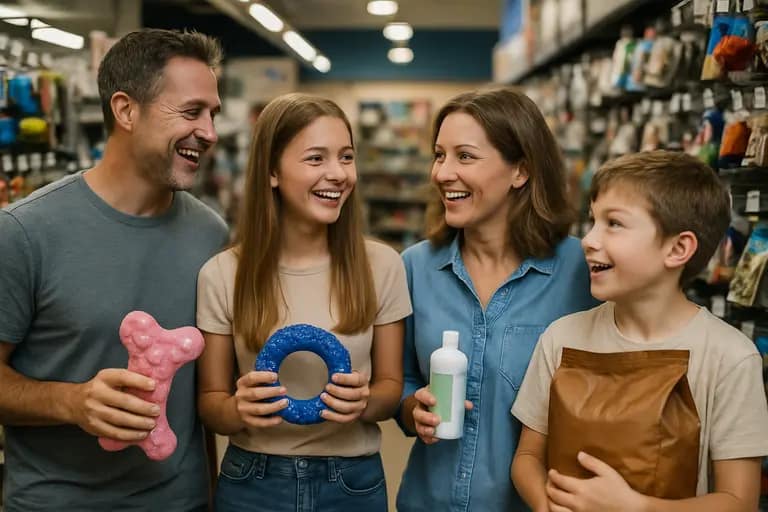
PetLENS may be built for industry decision-makers, but pet owners can still benefit from the public conversation around its findings. The goal is not to shop more. The goal is to care better. Before acting on any trend, families can pause and ask whether the item or service fits their animal, their budget, and their long-term care plan.
- Check the need: Is this purchase solving a real care need, or is it responding to clever marketing?
- Match the species: Does the product or advice fit the animal’s species, age, size, and daily environment?
- Protect the budget: Will this choice make routine food, housing, grooming, enrichment, and veterinary care harder to afford?
- Ask a professional: For health, diet, behavior, or safety concerns, speak with a licensed veterinarian or qualified animal care professional.
Use Trends To Prepare, Not Panic
Good information should make pet ownership steadier. If petLENS consumer sentiment points to pricing concerns, families can review budgets before adopting. If the data shows increased interest in wellness, owners can ask their veterinarian what preventive care is appropriate for their pet. If discovery and loyalty trends shift, local rescues can work with trusted retailers to help adopters find basics without pressure.
This is where community matters. A first-time adopter should not have to decode the entire pet aisle alone. Foster volunteers, shelter staff, veterinarians, trainers, groomers, and experienced pet guardians can help turn broad industry signals into grounded advice.
PetLENS Consumer Sentiment For Rescue-Minded Homes
A Kinder Use For Better Data
The most encouraging possibility is that petLENS consumer sentiment could help align business decisions with real animal care needs. If companies hear pet owners more regularly, they may have fewer excuses for ignoring affordability, clarity, safety, and trust. Still, families and advocates should keep asking who benefits from each insight and whether animals are better served by the response.
For adoption-minded homes, the message is simple: use data as a lantern, not a leash. Let it help you see price pressures, product confusion, and care priorities more clearly. Do not let it rush you into purchases that do not fit your pet. The best outcome would be a pet community where industry listens, rescues are supported, and families feel prepared before and after adoption day.
That is the standard I hope this new tool meets. Not louder marketing. Not trend-chasing. Just better listening, shared in ways that help people keep their promises to the animals already curled beside them, perched nearby, swimming quietly, or waiting in rescue for a home.